
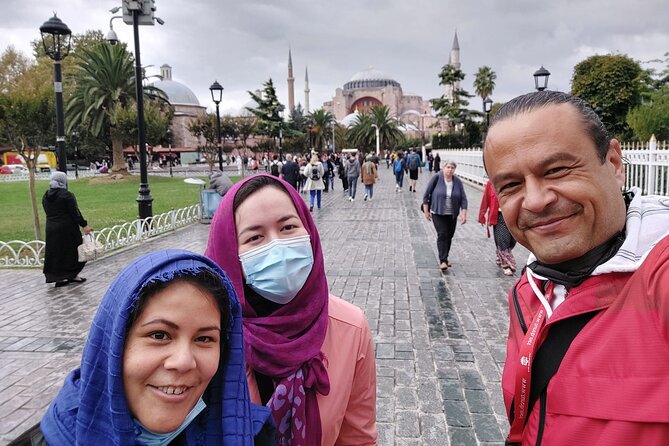
Reviewed · ISTANBUL TOURS
Best of Istanbul 1, 2 or 3-Day Private Guided Istanbul Tour
Istanbul rewards a guide who can connect Roman, Byzantine, Ottoman, and modern life without making the city feel like a museum. This private one-to-three-day tour puts that local interpreter beside you, from Hagia Sophia and the Blue Mosque to ferries, markets, and the backstreets of Balat.
I like two things right away: you can shape the route around your interests, and you can choose a one-day introduction or a slower three-day visit. Guides such as Burak, Merve, Kemal, Tuba, and Numan Taşdoğ have been praised for adjusting the pace, suggesting local food, and explaining culture in plain language.
The main drawback is cost control. The $100 per-person starting price does not cover museum, ferry, or cable-car tickets, lunch, or most transportation. Entrance fees for foreign visitors can be high, so ask for an estimate before you set off and carry enough cash.
Key points to know before booking
- The one-day route is a serious walking day: Expect the Historic Peninsula, Hagia Sophia, Blue Mosque, Topkapi Palace, and Grand Bazaar, with long periods on foot.
- The second day crosses the city by public transport: A ferry, Dolmabahce Palace, Taksim Square, Istiklal Street, Galata Tower from outside, and the Spice Market add a different side of Istanbul.
- The third day feels more local: Suleymaniye Mosque, Fener and Balat, the Orthodox Patriarchate, Pierre Loti Hill, and other Golden Horn sights take you away from the standard first-day circuit.
- You pay extra for major admissions: Topkapi Palace, Hagia Sophia, Dolmabahce Palace, Chora Museum, ferries, and the Pierre Loti cable car are not included.
- Timing matters: Start around 8:30 or 9 a.m. to reduce the Hagia Sophia security wait. Late starts may mean dropping one or two sights.
- A private guide adds the most value for first-time visitors: You gain help with complicated transport, changing access rules, prayer schedules, and the stories behind the monuments.
Why a private guide helps in Istanbul
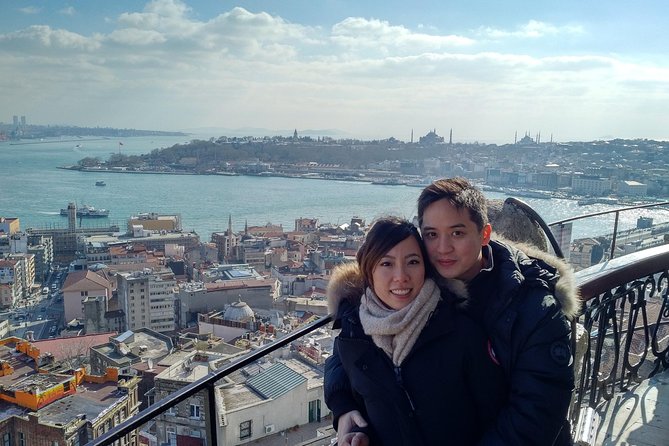
Istanbul is easy to admire and surprisingly hard to organize. The major sights sit in different districts, ferry routes cross between Europe and Asia, and several mosques and museums have changing hours. A private guide helps turn that jumble into a sensible day.
You also get more than a list of dates and building names. Guides have adjusted routes for interests such as carpets, ceramics, art, food, hammams, and Ottoman history. Numan Taşdoğ, for example, has been praised for taking guests to a local restaurant, helping them choose a lamp, and finding a rooftop for sunset. Those extras are not guaranteed, but the private format makes such changes possible.
The tour is offered in English and is for your group alone. The listed price is $100 per person, but the final value depends on how many people share the guide and which duration you choose. A solo visitor pays for personal attention, while a family or small group can spread the guide fee across several people.
A few more Istanbul half-days to weigh up
- Best Of Istanbul: 1, 2 or 3 Day Private Guided Tour
★ 5.0 · 435 reviews - Full Day Istanbul 1, 2 or 3-Day Private City Guided Tour
★ 4.7 · 411 reviews - Istanbul: Best of the City 1, 2 or 3-Day Private Guided Tour
★ 4.8 · 373 reviews
Day one: Sultanahmet, Hagia Sophia, and the old imperial center
The first day is built around walking through Sultanahmet, Istanbul’s historic core. If your hotel is central, the guide meets you there on foot. If it is not in the pickup zone, the usual meeting point is the German Fountain, and you may need a tram, funicular, or ferry to reach the Old City.
Begin at the Hippodrome, the former Roman chariot-racing ground. The square now looks open and relatively calm, but its monuments point to several layers of the city. You will see the Egyptian Column, the German Fountain, and the broad space once used for public spectacle and imperial display.
The German Fountain is a short stop, yet it helps explain the later Ottoman and European connections of Istanbul. Your guide can place these monuments in the wider setting before you move toward the mosques.
Hagia Sophia
Hagia Sophia is the day’s emotional center for many people. Built in the sixth century under Emperor Justinian, it began as a Christian church, became an Ottoman mosque, later served as a museum, and is now a mosque again. That changing role is not a minor footnote. It is the story of Istanbul itself, where belief, power, and art have repeatedly changed hands.
Because Hagia Sophia is now a mosque rather than a museum, guides do not have skip-the-line access. You may need to wait through security. I would choose the 8:30 or 9 a.m. departure if this sight matters most to you.
Allow about an hour, but keep your schedule flexible. Dress respectfully for a mosque visit and expect access rules to affect how you view the interior. The admission arrangement is not included in the tour price, so confirm the current procedure and cost before arrival.
The Blue Mosque
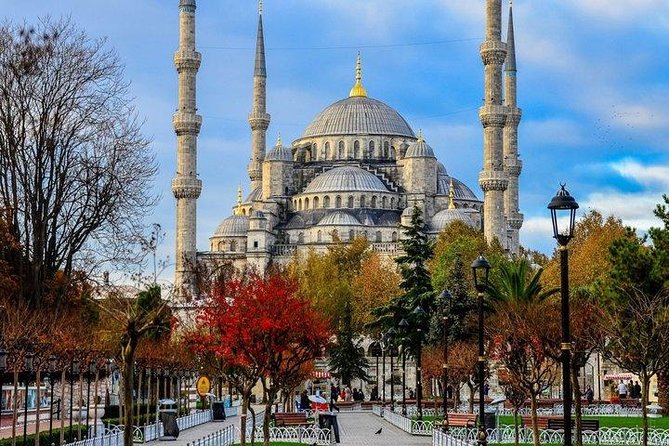
The Blue Mosque, formally Sultanahmet Mosque, was built in the early 1600s for Sultan Ahmet I. Its proportions are impressive: a huge structure that still feels carefully balanced rather than heavy.
The interior is known for delicate tilework and a strong sense of light and space. It remains an active place of worship, so the visit must fit around prayer times. Fridays are especially important to note, since the Blue Mosque is visited in the afternoon on that day.
This is one reason a guide is useful. You are not simply walking from one famous building to the next. The order can change according to opening rules, religious services, and crowd levels.
Same base, a completely different sort of day:
- Istanbul: Bosphorus Dinner Cruise & Show with Private Table
★ 4.8 · 44,561 reviews - Istanbul: Daytime or Sunset Sightseeing Cruise & Audio Guide
★ 4.8 · 14,430 reviews - Istanbul: Bosphorus Dinner Cruise with Turkish Night Show
★ 4.8 · 10,127 reviews - Istanbul: Basilica Cistern Fast-Track Entry and Audio Guide
★ 4.6 · 7,521 reviews
Topkapi Palace
Topkapi Palace takes roughly two hours and covers more ground than its entrance gates suggest. It served as the Ottoman sultans’ residence and the seat of the empire’s top executive and judicial councils for nearly four centuries.
I would not treat Topkapi as a quick photo stop. Its courtyards, rooms, collections, and views toward the water reward a slower pace. Admission is extra, and the palace is closed on Tuesdays. On that day, the guide may substitute the Turkish and Islamic Arts Museum, the Archaeological Museum, or the Basilica Cistern.
The tour description places Topkapi before the Grand Bazaar, but the exact order may shift. Ask your guide what must be seen first so you do not lose a key sight near closing time.
The Grand Bazaar
The Grand Bazaar finishes the classic first-day route. With more than 4,000 shops, it is part marketplace, part architectural maze, and part test of your shopping discipline. You can browse ceramics, leather, rugs, carpets, jewelry, clothes, silver, gold, and handicrafts.
I like having a guide here because the market can feel like a series of sales pitches when you first arrive. You still need to make your own buying decisions, but local advice can help you understand what you are seeing and where to pause.
The bazaar is closed on Sundays and during the listed Eid dates in 2026, March 20 to 22 and May 27 to 30. On Sundays, the Spice Market replaces it.
Day two: the Bosphorus, Dolmabahce, and modern Istanbul
The second day changes the rhythm. Instead of staying mostly within the Old City, you use public transportation and move between the European and Asian sides of Istanbul. The public ferry is a highlight in its own right, not merely a way to get from one stop to another.
A public ferry on the Bosphorus
The Bosphorus cruise lasts about two hours. From the water, you can see Galata Tower, Dolmabahce Palace, Beylerbeyi Palace, Rumeli Fortress, Ottoman waterfront villas, bridges, mosques, and both sides of the city.
I especially like this part for orientation. Istanbul’s size makes more sense from the ferry. You see how the Bosphorus, Golden Horn, hills, and shore districts fit together, and you get a break from pavement and indoor sights.
A public-ferry cruise is not the same as a private boat charter. The public option is usually the practical choice, but the exact ticket is extra. A private cruise is available if you select that option, also at additional cost.
Dolmabahce Palace
Dolmabahce Palace brings you into a later Ottoman world of crystal, chandeliers, rugs, paintings, ceramics, and lavish furnishings. It sits directly beside the Bosphorus, offering a sharp contrast with the older imperial setting of Topkapi.
The palace visit takes about an hour. It is closed on Mondays, and museum rules do not allow live guide service inside. Your guide can explain the setting and help with the visit, but you should not expect a guided talk in every room.
This is another place where ticket costs matter. Ask about the current admission price before booking, especially if you are planning two or three days of paid sights.
Taksim Square, Istiklal Street, and Cicek Passage
Taksim Square represents modern Turkey and has been the scene of major public events. From there, Istiklal Street leads through a busy pedestrian district filled with churches, galleries, embassies, cafes, pubs, and shops.
The route includes Cicek Passage, a compact historic arcade with restaurants and cafes. I would use this part of the tour to ask practical questions about food, nightlife, shopping, and getting around after the guide leaves.
Istiklal takes about 45 minutes, while Cicek Passage is a brief stop. The point is not to inspect every storefront. It is to see how present-day Istanbul differs from the imperial district you visited on day one.
Galata Tower from outside
The tour views Galata Tower from the exterior because the line can be long and guides do not have priority access. That limitation is clearly important. If climbing the tower is a top priority, you will need to arrange the admission separately and allow extra time.
Your guide will explain the tower’s place in the neighborhood, but this stop lasts only about ten minutes. Think of it as a district orientation, not a tower visit.
The Spice Market and the Golden Horn
The Spice Market takes about 45 minutes and sits near Eminonu, where the Bosphorus meets the Golden Horn. Shops sell spices, tea, Turkish delight, nuts, purses, ceramics, and small souvenirs.
I find this market easier to handle after seeing the Grand Bazaar. You can compare the two rather than treating every covered market as the same experience. Your guide can also help you identify products and explain how the market fits into the city’s trading life.
If the Grand Bazaar is closed, this becomes the main market stop. It is closed during the specified Eid dates, so check your calendar before choosing your day.
Day three: Suleymaniye, Balat, and the Golden Horn
The third day moves beyond the standard first-time route. It is the best choice if you want neighborhood walks, religious history, and views rather than another chain of headline monuments.
Suleymaniye Mosque
Suleymaniye Mosque is Istanbul’s largest mosque and is impressive both inside and out. Its garden terrace looks over the Golden Horn and Bosphorus, giving you one of the day’s best city views.
Compared with Sultanahmet, the setting can feel less compressed. You have room to look at the building’s scale and the surrounding skyline. The mosque is free to enter, though prayer times still shape the visit.
Fener and Balat
The two-hour walk through Fener and Balat is one of the most distinctive parts of the extended tour. The streets are steep and winding, with old Ottoman houses painted in reds, blues, and greens. Laundry crosses between buildings, while galleries and design shops appear near the water.
This is not a polished monument district. That is its appeal. You see everyday street life beside traces of Istanbul’s religious and architectural past. Wear comfortable shoes, since the route includes slopes and uneven urban streets.
The walk continues to the Church of St. George and the Ecumenical Patriarchate of Constantinople. The site has served as the seat of the patriarchate since the 1600s and remains important to Eastern Orthodox Christianity.
Pierre Loti Hill and the cable car
At Pierre Loti Hill, a cable car carries you upward to views over the Golden Horn. The stop lasts about 30 minutes, with time to enjoy Turkish coffee or tea at the top.
The cable-car ticket is extra. Weather and operating conditions can affect how rewarding the view is, so I would keep expectations realistic. It is a pleasant closing stop after a neighborhood walk, not a major museum visit.
Chora Museum and the Iron Church
The wider third-day route can also include the former Church of St. Saviour in Chora, now known as the Chora Museum or Kariye Mosque. Its mosaics and frescoes are important examples of late East Roman art, with scenes and figures that show a strong sense of movement and depth.
Allow about 90 minutes, and budget separately for admission. Access arrangements may change, so confirm what will be open on your date.
The Bulgarian Orthodox Church of St. Stephen sits on the Golden Horn and is known as the Iron Church because it was made from prefabricated cast iron in the nineteenth century. It takes about 45 minutes and offers a striking change from Istanbul’s stone mosques and Byzantine monuments.
Walking, transport, and the pace of the day
The one-day plan is mainly a walking tour. Transport is usually needed only between your hotel and the Old City if you are staying outside Sultanahmet. With a van, pickup is available from central hotels, while hotels outside the center or on the Asian side may require a surcharge.
Without a van, your guide can use trams, funiculars, and ferries. That is not a weakness. Public transport gives you a better sense of how the city works, though it requires more walking and stair use.
A private van makes more sense if you have mobility concerns, are traveling with young children, or are staying far from the historic center. The tour is described as suitable for most people, but a seven-hour walking day can still be tiring.
Start early. A tour beginning after 11 a.m. may have to skip one or two sites because attractions close by 7 p.m. Your guide can adjust the program, but you cannot see every major sight at the same pace in a shortened day.
Price, extra costs, and the real value
The advertised price is $100 per person. That is a reasonable starting point for private guiding, especially when the fee is shared by a family or small group, but it is not the full trip cost.
You should add money for:
- Hagia Sophia admission arrangements, if applicable
- Topkapi Palace
- Dolmabahce Palace
- Chora Museum
- Bosphorus ferry or private cruise
- Pierre Loti cable car
- Trams, funiculars, or other transport
- Lunch and gratuity
The exact admission total can be substantial. One three-day booking described the tour as expensive because site tickets, boat rides, and trams were separate. Another visitor felt the added value was limited and wished the need for more than €100 in cash per person had been made clearer before arrival.
That criticism is fair. The ticket exclusions are provided, but you should still ask for a current estimate in writing. A guide can save time and add context, yet you are paying separately for entry to the places you came to see.
Who gets the most from this tour
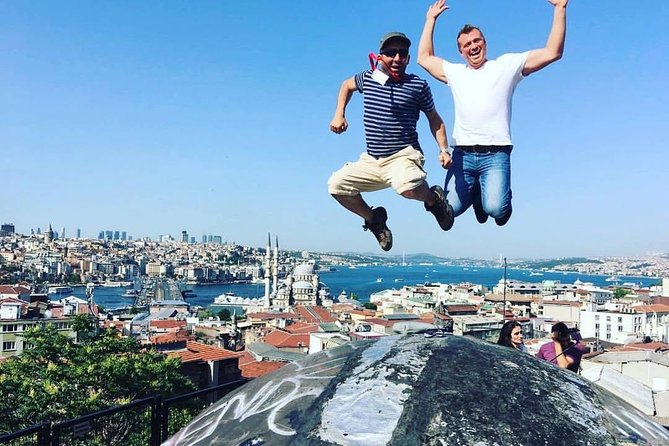
I would choose the one-day version if you have a short stay, a cruise stop, or want help getting oriented before exploring alone. Guides such as Merve, Ozan Ercan, Kemal, and Hilal Aslan have been praised for clear explanations, practical tips, and flexible pacing.
Choose two days if you want the major Old City sights plus the Bosphorus and modern districts. It gives you a better sense of Istanbul as two continents and several very different cities at once.
Choose three days if you enjoy neighborhood walks, religious art, and a slower pace. Families have managed the three-day schedule well, though seven hours per day can still wear you down. Ask your guide to build in realistic breaks and to reduce the list if your group prefers lingering.
Should you book the Best of Istanbul private tour?
Book it if you want a personal route through a complicated city and care about the story behind each place. The strongest part is the guide relationship. The best examples include Burak adjusting every day to his group, Tuba covering both European and Asian Istanbul, and Numan Taşdoğ adding food, art, shopping, and sunset stops without forcing a fixed script.
Skip it if you prefer to set your own pace, dislike long walking days, or want one simple all-inclusive price. You can visit several headline sights independently, and admission costs remain yours to pay.
For most first-time visitors, I would choose two days, start early, use public transport unless a van is truly useful, and confirm every ticket cost before booking. That gives you the grand monuments, the Bosphorus, and modern Istanbul without packing every corner of the city into one exhausting day.
FAQ
How long is the tour?
You can choose one, two, or three days. The total duration is approximately 7 to 21 hours, with the suggested schedule allowing about seven hours per day.
Is hotel pickup included?
A guide meets you at a centrally located hotel. If your hotel is not central or cannot be reached within the pickup area, the meeting point is the German Fountain. A private van option can provide pickup from central hotels, while hotels outside the city center or on the Asian side may require an additional charge.
Is transportation included?
Transportation is not included unless you book the private van option. The tour can use trams, funiculars, and ferries, with those costs paid separately.
Are entrance tickets included?
No. Museum, palace, ferry, and cable-car tickets are not included. Topkapi Palace, Dolmabahce Palace, Chora Museum, the Bosphorus cruise, and Pierre Loti cable car all require separate payment.
Can the itinerary be changed?
Yes. The tour is private and can be adjusted to your schedule and interests. Your guide may change the order or replace sights because of closing days, prayer times, opening hours, or your priorities.
What happens if Topkapi Palace is closed?
Topkapi Palace is closed on Tuesdays. It may be replaced by the Turkish and Islamic Arts Museum, the Archaeological Museum, or the Basilica Cistern.
What is the cancellation policy?
You receive a full refund if you cancel at least 24 hours before the start time. Cancellations and changes made less than 24 hours before the start time are not accepted for a refund.
Just added around Istanbul
- Istanbul: Private Guided Tour★ 4.7 · 81 reviews
- Luxury Private Yacht Rental★ 4.4 · 54 reviews
- Learn Turkish Cuisine from a Local Mom★ 5.0 · 32 reviews
- From Istanbul Airport: Layover City Tour with Options★ 4.7 · 67 reviews
- Istanbul: Ertugrul and Osman Ghazi Movie Set Tour with Lunch★ 4.4 · 145 reviews
- Istanbul: Zipline Adventure with Bosphorus View★ 3.8 · 159 reviews
- Istanbul:Basilica Cistern Skip-the-Line Ticket & Audio Guide★ 3.8 · 38 reviews
- Istanbul: Bursa and Uludag Full-Day Trip with Cable Car Ride★ 3.6 · 164 reviews
Istanbul Tours, compared.
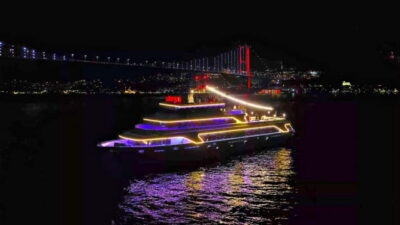
Bosphorus Dinner Cruise & Show with Private Table
Read our review →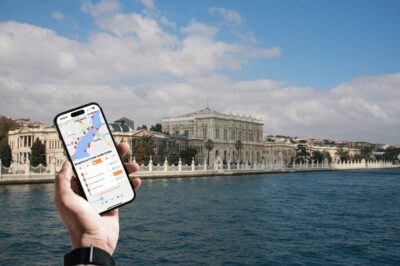
Daytime or Sunset Sightseeing Cruise & Audio Guide
Read our review →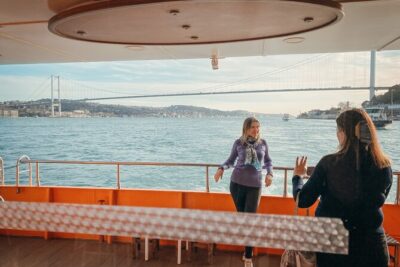
Bosphorus Dinner Cruise with Turkish Night Show
Read our review →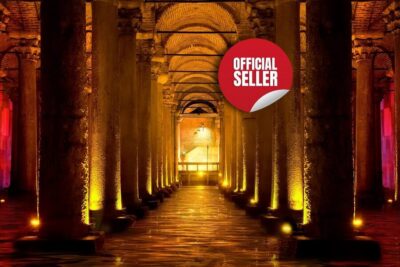
Basilica Cistern Fast-Track Entry and Audio Guide
Read our review →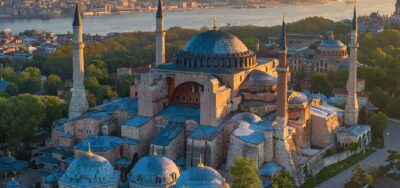
Hagia Sophia Skip-the-Line Ticket & Museum Option
Read our review →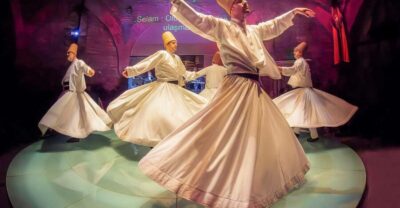
Hodjapasha Whirling Dervishes Show & Exhibition
Read our review →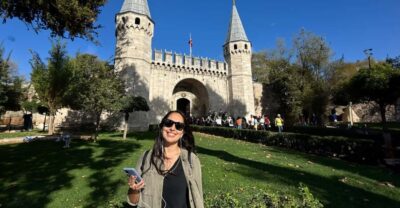
Topkapi Palace & Harem Museum Ticket & Audio Guide
Read our review →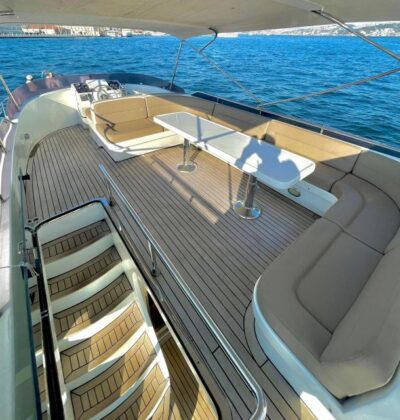
Sunset or Day Small-Group Yacht Cruise with Snacks
Read our review →Browse the lists this tour appears in