
Reviewed · IZMIR TOURS
Only in Izmir: Exploring the Seaside City’s Culinary Traditions
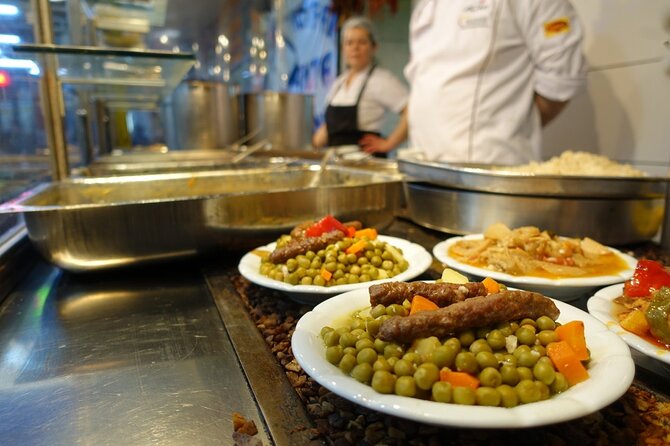
Izmir’s food culture is at its best when it comes in small, humble portions: a flaky boyoz at breakfast, warm lokma from a workshop, sheep’s-head söğüş in Hisarönü, and coffee ground in a stone mortar. This six-hour walk links those tastes with old buildings, neighborhood markets, and the people who keep local food traditions going.
I like the small maximum group of seven, which should make it easier to ask questions and keep pace through busy food stops. I also like the range: this is not just a market stroll, but a full meal spread across several districts, with breakfast, lunch, snacks, and soda included. The main caution is simple: the food comes in such volume that you may need to skip dishes, so arrive very hungry and pace yourself.
Key things to know before booking
- Boyoz starts the day: Try Izmir’s savory Sephardic pastry with slow-cooked eggs and local tulum cheese.
- Fourteen or so tastes may appear: The schedule lists major stops, while the full outing can include many smaller samples.
- Old Izmir is part of the meal: You’ll see crumbling historic architecture around Basmane, not just restaurants.
- Söğüş is the boldest bite: Poached sheep’s head is a serious local specialty, not a token tasting.
- Nuket may be your guide: Her friendly, well-informed approach earned special praise, though guide assignments can vary.
- Come without breakfast: The included food covers breakfast, lunch, snacks, and soda, and portions can add up quickly.
Why Izmir makes such a good food city
Izmir is often treated as a pleasant stop on Turkey’s Aegean coast, but its food tells a more layered story. Sephardic, Turkish, Balkan, and regional traditions meet in its bakeries, market stalls, cafés, and old restaurants. This tour gives you a way to taste that mix without spending your day guessing what to order.
The most useful feature is the connection between food and neighborhood life. You do not simply arrive at a restaurant, eat, and leave. You begin at Basmane Garı, move through residential areas and market streets, visit a helva maker and a lokma workshop, then finish around Hisarönü with offal, dessert, and coffee.
That matters because many of Izmir’s best-known foods are tied to customs and communities. Boyoz reflects the city’s Sephardic heritage. Lokma has a traditional role at funerals, where it is served as a way to lighten grief. Söğüş shows how seriously Izmir takes the use of the whole animal.
You should also expect a walking day rather than a sightseeing tour conducted from a vehicle. Private transportation is not included, and the experience begins and ends at Etiler near Basmane Garı. The meeting point is close to public transportation, which makes it practical if you are staying in central Izmir.
A few more Izmir half-days to weigh up
- Ephesus Tour From Izmir
★ 5.0 · 980 reviews - Pamukkale Tour from Izmir
★ 5.0 · 806 reviews - Ephesus Tour with Virgin Mary From Izmir All Inclusive
★ 5.0 · 478 reviews
Breakfast at Basmane Garı: boyoz, eggs, and tulum
The first stop begins at 9:30 a.m. near Basmane Garı. This is a sensible starting point, since Basmane gives you immediate access to both old Izmir and the city’s food traditions.
Breakfast centers on boyoz, a savory pastry closely associated with Izmir’s Sephardic community and described as a local specialty found only here. Its appeal is not fancy presentation. Boyoz is the sort of food you understand by eating it fresh, alongside slow-cooked eggs and salty tulum cheese.
The combination gives you three different textures and flavors at once: pastry, soft egg, and strong cheese. It also sets the tone for the day. This is food with a local identity, not a generic Turkish breakfast selected for visitors.
You may want to resist eating too quickly at this point. The first meal is only the opening move, and the schedule continues for another four hours. The practical advice is clear: do not eat breakfast before you arrive. Several dishes are served as samples, but the total amount is still large.
After breakfast, the group gets a short piece of local food history from a third-generation helva maker. That detail adds weight to the stop. You are not just tasting a sweet from a shop counter. You are meeting a family trade that has continued across generations and learning how a familiar food fits into Izmir’s daily life.
Basmane’s old buildings and the lokma workshop
The Basmane portion lasts about two hours and mixes food with a look at old Izmir’s architecture. The area includes crumbling buildings, which may appeal to you if you prefer places that show the marks of time rather than polished heritage districts.
There is a useful honesty to this part of the walk. The old architecture is described as crumbling, not perfectly restored, so you should expect atmosphere and decay rather than a tidy museum setting. The buildings help explain how the city has changed, while the food stops show what has endured.
A workshop making lokma adds another layer. Lokma is a small, fried, donut-like sweet, usually finished with syrup. In Izmir, it has a particular social role: it is traditionally served at funerals as a way to ease the mood and offer something comforting to the community.
That is the sort of detail I value on a food walk. You learn not only what a dish tastes like, but when people eat it and why it matters. The workshop also gives you a look at a working food tradition rather than a staged demonstration.
The first two hours may be the best fit for anyone who wants history with their eating. You will not get a full architectural tour of Izmir, but you will see old streets and hear stories that give the pastries and sweets a setting.
A migrant neighborhood and a market built for grazing
The second two-hour section moves into a residential neighborhood inhabited by migrant families from eastern Turkey. This is an important shift. Izmir’s food is not one single regional style, and this neighborhood shows how people bring cooking traditions with them when they move.
The tour then turns toward another market, where the meal continues through several local institutions. The planned range includes a fine fish restaurant, a Bosnian-Turkish gastro-café, a pide bakery, and a highly regarded lokanta.
You should read that list as a series of tastes rather than four formal restaurant meals. The day is designed for sampling. You may sit briefly, taste a specialty, hear the background, and move on before your appetite has fully recovered.
The fish restaurant adds an Aegean note, while the Bosnian-Turkish café points to the city’s Balkan connections. Pide brings in one of Turkey’s most familiar baked dishes, and the lokanta represents the everyday restaurant tradition built around prepared home-style food.
This section is where the small group matters most. Market food can involve quick decisions, tight spaces, and varying serving times. A group capped at seven should be easier to keep together than a large coach-sized outing, and it gives you more room to ask why a certain shop matters.
The guide’s local relationships also sound useful here. Nuket was singled out for taking people to distinctive places, answering many questions, and knowing the local people along the route. You should not assume she will lead every departure, but the provider clearly places importance on guides with strong ties to Izmir’s food scene.
Same base, a completely different sort of day:
- Ephesus Tour with Temple of Artemis and Sirince Village From Izmir
★ 5.0 · 239 reviews - Ephesus and St. Mary’s House Day Trip from Izmir with Lunch
★ 4.5 · 210 reviews - From Izmir: Full Day Boat Trip around Cesme with BBQ Lunch
★ 4.5 · 208 reviews - From Izmir: Guided Pamukkale Full-Day Tour with Lunch
★ 4.5 · 190 reviews
Hisarönü and the city’s serious approach to offal
The final two-hour section goes to Hisarönü and takes the food in a more daring direction. Izmir is known for söğüş, made from poached sheep’s head. This is not the safest choice for a cautious eater, but it is one of the tour’s most distinctive stops.
If you are comfortable with offal, söğüş gives you a direct look at an old nose-to-tail cooking tradition. If you are not, you can still treat the tasting as a cultural choice rather than a test of bravery. The important point is that the tour does not smooth away the food that makes Izmir different.
This is also where the day’s steady rhythm can catch up with you. By the time you reach the final section, you may already have eaten breakfast, bread, sweets, fish, and lunch dishes. Take small portions and do not feel obliged to finish every sample. The tour is generous enough that appetite management becomes part of the skill.
The finish is gentler. Sambali, a traditional semolina dessert, supplies a sweet end to the meal. It is followed by Turkish coffee made from beans freshly ground in an old-fashioned stone mortar.
The coffee preparation is a fitting closing detail. After a day of bakeries, markets, and prepared foods, the final cup slows things down. You get a last taste and a small look at an older method of preparation before returning to the meeting point.
What the $125 price really covers
At $125 per person, this is not the cheapest way to eat in Izmir. You could certainly buy individual pastries, pide, coffee, and market food for less. The price makes more sense if you value the guide, the organization, the number of tastings, and access to places that are difficult to connect on your own.
The included food is substantial:
- Breakfast
- Lunch
- Snacks
- Soda or pop
That list understates the amount you may consume. The experience can include about 14 coordinated food stops, so you are paying for a long sequence of tastings rather than one breakfast and one lunch. One useful way to judge the price is to ask how much time you would spend finding these places, explaining your choices, and arranging the route yourself.
The guide also adds value through context. A pastry is easy to find. Understanding its Sephardic connection, learning about a multigenerational helva maker, or hearing why lokma appears at funerals is harder to obtain from a menu.
Still, food preferences matter. If you avoid meat, dislike offal, or prefer long meals at one table, you may not get the full value. The fish restaurant and vegetable possibilities are not described in enough detail to promise a particular diet-friendly menu. This is best for an adventurous eater who wants variety and does not mind tasting foods outside a familiar comfort zone.
Timing, walking, and the practical details
The experience lasts about six hours and starts at 9:30 a.m. It returns to the starting point near Basmane Garı, so you do not need to arrange a separate ride from the final stop.
Private transportation is not included. The day’s structure points toward walking and public transport rather than a private vehicle, and the meeting point is near public transportation. Wear comfortable shoes and plan for a food-focused walk through markets and residential streets.
The maximum group size is seven. That is one of the strongest practical points for this particular experience. A small group can move more easily between food businesses, and you are less likely to lose the guide during a market stop.
The activity is offered in English, and confirmation is provided at booking. Most people can participate, but the supplied details do not promise a fully step-free route or describe specific arrangements for mobility needs. If that is important for you, ask before booking.
The experience requires good weather and a minimum number of participants. If bad weather cancels it, you can choose another date or receive a full refund. The same options apply if the minimum group size is not reached. You can cancel for a full refund up to 24 hours before the start time, but cancellations or changes made later are not accepted.
Who will enjoy this Izmir food tour most
I would choose this for you if you want to understand Izmir through its everyday food rather than through a short list of famous sights. It suits curious eaters who enjoy trying several small portions, hearing local stories, and walking through parts of the city that are not reduced to postcard views.
It is also a strong choice early in your Izmir stay. The route can introduce you to foods you may want to seek out again, including boyoz, lokma, söğüş, sambali, and Turkish coffee. The market and neighborhood stops may also help you feel more confident ordering on your own later.
You should think twice if you need a slow, predictable meal schedule. Fourteen stops can feel like a lot, particularly for a late breakfast eater or anyone who prefers large meals with long pauses. The tour is generous, but generosity can become tiring when every stop offers another bite.
You may also want a different experience if your main goal is formal sightseeing. Architecture and history appear throughout the walk, but food remains the main subject. This is not a conventional city tour with a few restaurant visits added on.
Should you book Only in Izmir?
Book it if you want a full day of local food, personal stories, and neighborhood walking in a group small enough to feel manageable. The range is unusually strong, from Sephardic boyoz and third-generation helva to Bosnian-Turkish cooking, pide, söğüş, sambali, and stone-ground coffee.
The best preparation is to skip breakfast, eat only small samples, and arrive ready for unfamiliar flavors. At $125, the value comes from the number of tastings and the guide’s local connections, not from transportation or luxury dining.
I would pass only if you have strict dietary limits, dislike offal, or want a relaxed sightseeing schedule. For an adventurous eater with one free morning and afternoon in Izmir, this is a practical way to get beyond tourist menus and taste the city’s real culinary character.
FAQ
Where does the tour start?
The tour starts at Etiler, near Basmane Garı, at 35240 Konak, Izmir, Türkiye.
What time does the experience begin?
The start time is 9:30 a.m.
How long does the tour last?
The experience lasts approximately six hours and ends back at the meeting point.
Is transportation included?
Private transportation is not included. The meeting point is near public transportation.
What food and drinks are included?
Breakfast, lunch, snacks, and soda or pop are included.
How many people can join the tour?
The activity has a maximum of seven participants.
Just added around Izmir
- Seven Churches of Revelation Tour ( Private)★ 5.0 · 61 reviews
- Private Ephesus and Virgin Mary’s House tour★ 5.0 · 20 reviews
- SKIP THE LINE / Highlights of Ephesus Private Tour / FOR CRUISE GUESTS ONLY★ 5.0 · 141 reviews
- Private Express Ephesus Tour from Izmir Port / Cruisers only★ 5.0 · 18 reviews
- Private Tour from Izmir to Ephesus, Artemission, Virgin Mary House incl. Lunch★ 5.0 · 44 reviews
- Pamukkale Small Group Tour From Izmir★ 4.5 · 39 reviews
- From Izmir: PRIVATE Best of Ephesus Tour (Skip-the-Line)★ 5.0 · 21 reviews
- Pamukkale Private Tour★ 5.0 · 28 reviews
Izmir Tours, compared.
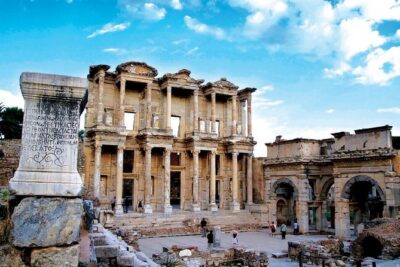
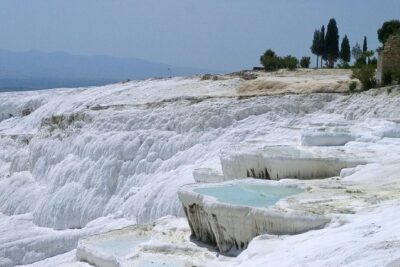
Ephesus Tour with Virgin Mary From Izmir All Inclusive
Read our review →
Ephesus Tour with Temple of Artemis and Sirince Village From Izmir
Read our review →
Ephesus and St. Mary’s House Day Trip from Izmir with Lunch
Read our review →

Daily Ephesus & Virgin Mary House Tour from Izmir
Read our review →Browse the lists this tour appears in