
Reviewed · ISTANBUL TOURS
Istanbul Revealed: Historic Pathways & Bosphorus Serenity
Istanbul’s best story is the way its continents, empires, and faiths sit beside one another. This full-day outing follows that story from the Theodosian Walls and Yedikule Fortress to old churches in Fener and Balat, then shifts to a yacht for a long Bosphorus cruise between Europe and Asia.
I like two things right away: the route reaches historic corners that many first-time visitors miss, and the cruise includes practical comforts such as tea, Turkish coffee, snacks, pillows, and blankets. Guides Murat and Serdar receive especially warm praise for humor, clear explanations, and an easy way of encouraging questions.
The main consideration is pace. Seven hours covers a lot of ground, and several Bosphorus sights are viewed from the boat rather than visited inside. The Chora entrance fee is extra, and the route includes cobbled streets and uneven ground.
Key points at a glance
- Byzantine walls and Yedikule: See the defensive side of Constantinople, including the Castle of Seven Towers and the old Golden Gate.
- Fener and Balat on foot: Visit Bulgarian St. Stephen Church and several Greek Orthodox sites in neighborhoods shaped by Istanbul’s many communities.
- A long Bosphorus cruise: Spend about two and a half hours on the water, with tea, Turkish coffee, snacks, music, pillows, and blankets.
- A short Asian-side stop: Pause in Kanlıca for its famous yogurt, usually served with powdered sugar.
- Europe-to-Asia views: Pass Dolmabahçe, Ortaköy, the Bosphorus bridges, Rumeli Fortress, Anadolu Fortress, and the Maiden’s Tower.
- Small-group format: The maximum is 25 people, with pickup available in Fatih and Taksim areas.
Istanbul’s old walls set the tone
The day begins at 9 a.m., with the listed meeting point near Sirkeci in Fatih. Hotel pickup is offered only in the Taksim and Fatih areas, so you should confirm your exact arrangement before booking. The tour ends at Kabataş Square, a useful point on the European shore for continuing your day.
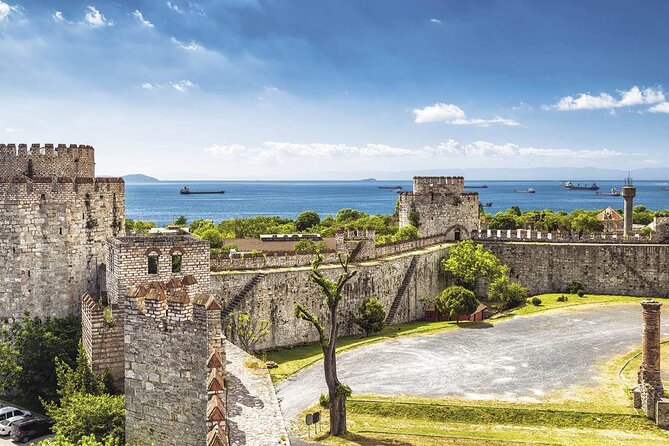
The first look is at Istanbul’s old city walls. These are the Theodosian Walls, built to protect Constantinople and later altered over centuries. You get about 15 minutes here, so think of it as an introduction rather than a full archaeological visit.
I like this opening because it puts the city’s later monuments into context. Istanbul is not simply a collection of beautiful mosques and palaces. It was once a fortified imperial capital, and these walls show how seriously its rulers took defense.
The short stop also signals the rhythm of the day. You will pause, listen, photograph, and move on. If you want a long, quiet examination of masonry and towers, this is not the right format. If you want a clear sense of how the city developed, the brief visit works well.
More Bosphorus sailings:
- Istanbul: Bosphorus Dinner Cruise & Show with Private Table
★ 4.8 · 44,561 reviews - Istanbul: Bosphorus Dinner Cruise with Turkish Night Show
★ 4.8 · 10,127 reviews - Istanbul: Perfume Making Workshop with Bosphorus View
★ 5.0 · 2,985 reviews
Yedikule and the fading Golden Gate
Yedikule Fortress, or the Castle of Seven Towers, receives about 45 minutes and includes admission. The fortress grew from the city’s defensive system and is closely linked to the Ottoman conquest of Constantinople.
This is one of the more substantial land visits. The name refers to its seven towers, and the site carries the weight of both Byzantine and Ottoman rule. Your guide can help connect the fortress to the walls you have just seen, rather than treating it as an isolated monument.
The nearby Golden Gate gets only about five minutes. Once a grand ceremonial entrance, it was used for imperial processions into Constantinople. Today, much of its original splendor is gone, but the stop gives you a quick glimpse of the city’s ceremonial side.
I would keep your expectations realistic here. You are not getting a long architectural study of the gate. You are getting a compact historical marker, useful for understanding how military defense and imperial display were built into the same city.
Yedikule is closed on Mondays. That matters because the tour cannot simply offer the same fortress visit on that day.
Chora’s mosaics require extra planning
The Chora site, formerly called the Chora Museum and now also known as Kariye Camii, receives about an hour. Its entrance ticket is not included and costs 20 euros extra according to the supplied details.
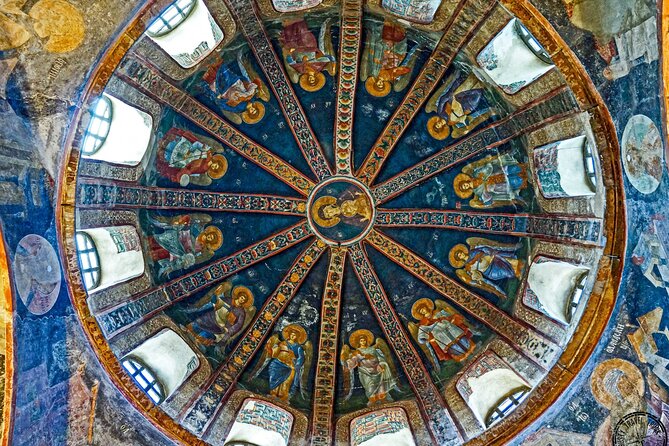
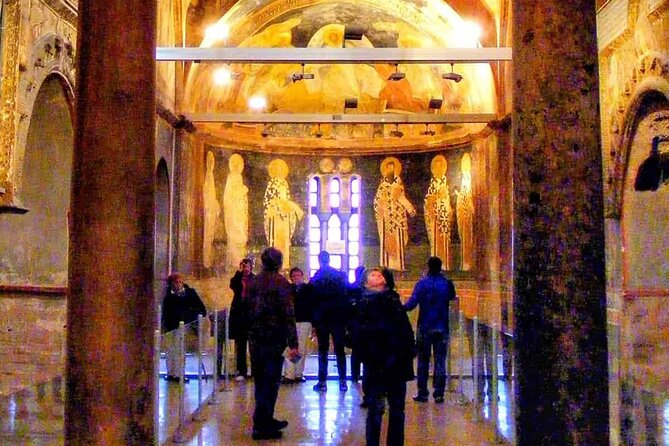
This is likely the most important indoor art stop of the day. The building began as a Byzantine church and is known for mosaics and frescoes showing biblical scenes. The work is valued for its fine detail, expressive figures, and unusually strong sense of movement.
I like the way Chora balances the fortress visits. Yedikule tells you how the city defended itself. Chora shows the artistic and religious world that flourished inside those defenses.
The site is closed on Fridays, so check the operating day before you commit to this tour. You should also budget the extra admission fee. Since the schedule gives you one hour, you have enough time for a meaningful look, but not an unhurried museum visit with every detail studied.
Fener and Balat reveal Istanbul’s religious variety
The walking portion continues through Fener and Balat, two historic districts near the Golden Horn. The streets can be cobbled and uneven, so supportive shoes matter more here than stylish ones.
At the Bulgarian St. Stephen Church, you see an unusual iron-built church on the Golden Horn. Known locally as the Iron Church, it is made from prefabricated cast iron, an uncommon approach for a religious building. The visit lasts about 30 minutes and admission is free.
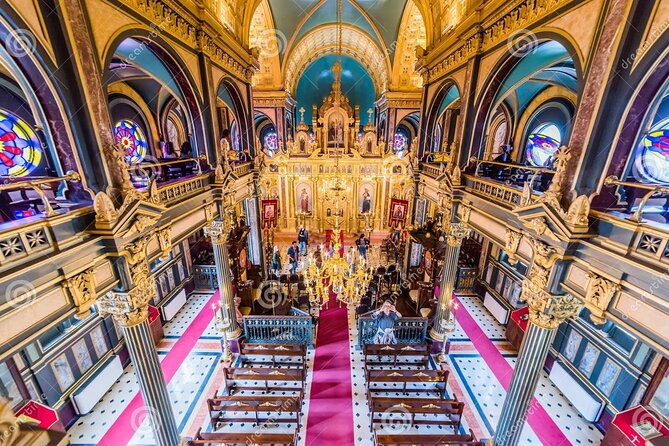
The route also includes the Greek Orthodox Church of Aya Yorgi in Balat. Dedicated to Saint George, it adds another layer to the district’s religious story. Fener and Balat are useful stops because they show Istanbul beyond imperial palaces and major mosques. Churches, small streets, and old neighborhood buildings point to the city’s long mix of communities.
Another half-hour goes to the Church of St. Mary of Blachernae in Ayvansaray. This church held an important place in Byzantine religious life and was dedicated to the Virgin Mary.
I find this section especially worthwhile for anyone interested in Istanbul’s Christian past. It is not just a parade of buildings. The guide’s role matters here, since the significance of a modest church can be easy to miss if you only look at the exterior.
Dress modestly for religious sites. The tour information specifically recommends respectful clothing, and you should be ready for active walking between stops. There may also be time to take photographs, but religious buildings call for quiet attention and sensible etiquette.
More history-led days in Istanbul:
- Istanbul Gedikpasa Historical Turkish Bath with Privacy Option
★ 5.0 · 1,285 reviews - Istanbul: Acemoglu Historical Turkish Bath w/Private Options
★ 4.6 · 1,190 reviews - Istanbul: Gedikpasa Historical Hammam with Privacy Add-On
★ 4.8 · 918 reviews - Istanbul Historical Tour with Guide, Lunch and Transfers
★ 4.5 · 561 reviews
The Golden Horn leads to a very different Istanbul
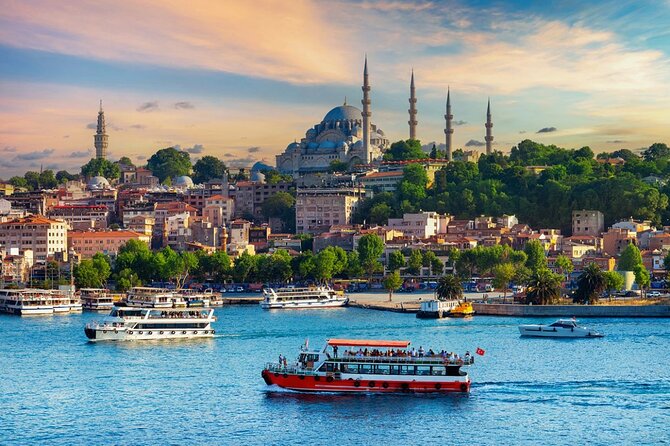
The Golden Horn is the waterway separating Istanbul’s historic old city from districts such as Galata and Beyoğlu. It links the Bosphorus with the Sea of Marmara and has shaped the city’s trade, transport, and defense for centuries.
The land route eventually gives way to the Bosphorus yacht cruise. This is the major change of mood during the day. Instead of examining walls and churches at street level, you watch Istanbul unfold from the water.
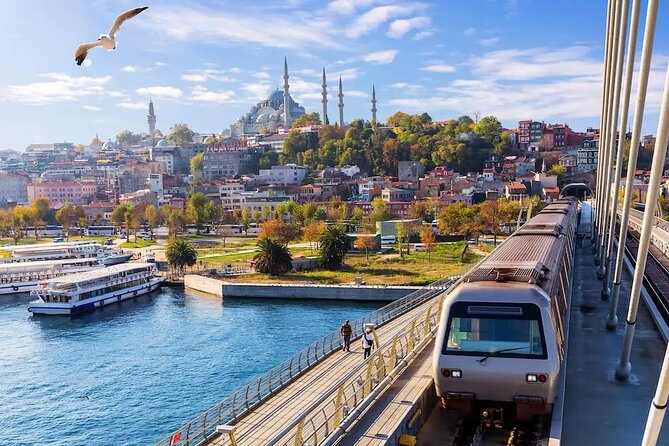
The Galata Bridge connects the old city with Karaköy and Beyoğlu. From the water, you can appreciate its role as both a crossing and a daily meeting place. The Galata Tower appears above the surrounding district, a medieval stone landmark with broad city views from its upper levels.
The tour does not list an interior visit to the tower, so treat it as a passing sight rather than an included climb. That is a useful distinction when comparing this outing with a standard city highlights tour.
The Bosphorus cruise is the day’s relaxing center
The cruise lasts about two and a half hours according to the supplied experience details. That is a generous amount of time on the water, and it is where the tour earns much of its appeal.
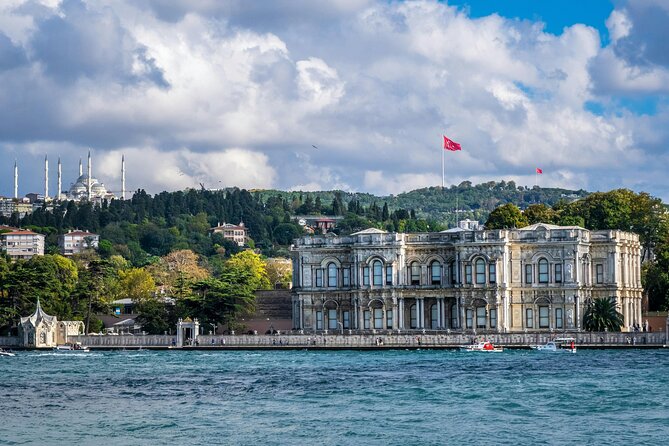
You pass waterfront landmarks on the European shore, including Dolmabahçe Mosque and Dolmabahçe Palace. The mosque is a graceful 19th-century Ottoman building beside the water. The palace reflects the later Ottoman taste for grand interiors and European-influenced design.
You also see Çırağan Palace, once an Ottoman royal residence and now home to the Çırağan Palace Kempinski hotel. The tour does not include a palace interior visit, but the waterfront view gives you a sense of its location and scale.
Ortaköy Mosque is another strong photo stop from the boat. Its position beside the Bosphorus, with the bridge behind it, creates one of Istanbul’s most recognizable views. The cruise gives you a better sense of the relationship between mosque, water, bridge, and neighborhood than a quick road visit can.
The included yacht comforts are a real advantage. You can expect typical snacks, hot tea, and Turkish coffee, along with small extras such as pillows and blankets. Music is also part of the boat experience. These details matter because two and a half hours can feel long if you are standing in the wind or sitting without anything to drink.
Bring a light jacket or scarf even on a pleasant day. Breezes can pick up on the Bosphorus, especially in spring and fall. Sunglasses and sunscreen are sensible, and a fully charged phone or portable charger will help if you plan to photograph the shore throughout the cruise.
Bridges and fortresses explain the strait’s importance
The first Bosphorus Bridge, now officially called the 15 July Martyrs Bridge, connects the European and Asian sides. You also pass beneath or near the Fatih Sultan Mehmet Bridge, the second major crossing, named after the Ottoman ruler who captured Constantinople in 1453.
These bridges make the strait feel like a modern working waterway, not just a scenic backdrop. Cars, ferries, yachts, palaces, and old fortifications share the same narrow corridor.
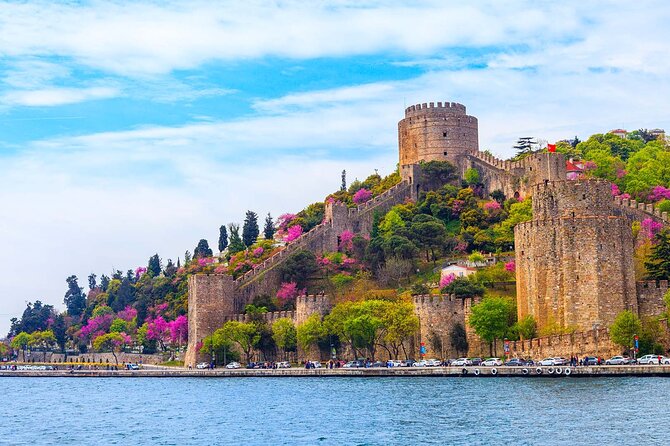
Rumeli Fortress is one of the strongest historical sights viewed from the boat. Sultan Mehmed II built it in 1452 on the European shore, shortly before the conquest of Constantinople. Its walls and towers show how the Ottomans controlled movement through the Bosphorus.
On the Asian shore, Anadolu Fortress provides the matching piece of the story. It was built as part of the Ottoman effort to control the strait before the conquest.
You may also see Küçüksu Pavilion and Beylerbeyi Palace from the water. Küçüksu was a refined Ottoman leisure pavilion on the Asian shore. Beylerbeyi served as a summer residence and a place to host foreign dignitaries.
The Maiden’s Tower appears on its small island near the southern entrance of the Bosphorus. Its stories mix history and legend, and its position gives you a fine closing image of Istanbul’s two-sided geography.
Kanlıca adds yogurt and an Asian-side pause
The boat stops at Kanlıca Meydanı for about 20 minutes. Kanlıca sits on the Asian shore in the Beykoz district and feels quieter than central Istanbul.
The key reason to stop is Kanlıca yogurt. It is traditionally served with a sprinkle of powdered sugar, and it gives the stop a simple local flavor rather than turning it into another monument visit. You might also find coffee or other small refreshments, but bring some Turkish lira for minor purchases because small vendors may not accept cards.
This is a short pause, not an extended neighborhood tour. Still, I like the contrast. After hours of walls, churches, palaces, and bridges, you get a chance to step ashore, taste something associated with the district, and say you crossed to the Asian side.
The schedule rewards punctuality. With a boat route and several transitions, a relaxed five-minute delay can affect the rest of the day. Keep your belongings together and listen closely when the guide gives return instructions.
What the $150 price really includes
At $150.03 per person, this is not a bargain-priced walking tour. Its value comes from combining several separate experiences: historical sites, a guided walk through Fener and Balat, transportation, the yacht cruise, the Asian-side stop, and hotel pickup and drop-off in selected areas.
The cruise is the biggest value factor. A standard Bosphorus boat ride may not include the same guided explanation, land visits, tea, coffee, snacks, pillows, and blankets. Here, the cruise is part of a larger story about Istanbul rather than a stand-alone sightseeing ride.
You should add the 20 euro Chora admission and plan for lunch on your own. Lunch is not included, and the supplied details do not specify a dedicated meal stop. Bring water and a small snack so the walking sections do not become uncomfortable.
A maximum of 25 people keeps the group from becoming enormous, though it is not a private tour. If you want a custom schedule or long photography sessions, you may find the fixed timetable restrictive. If you want one organized day that handles transport between distant parts of the city, the price is easier to justify.
Who will get the most from this day
I would recommend this outing to a first-time Istanbul visitor who wants more than Sultanahmet’s headline monuments. It is also a good fit for anyone drawn to Byzantine history, Orthodox Christianity, Ottoman architecture, and Bosphorus views in equal measure.
The strongest match is someone who enjoys explanation while moving. You will hear historical context from a professional English-speaking guide, then shift between short stops and longer cruise time. Guides Murat and Serdar are particularly associated with a friendly style that uses humor and encourages questions, although the assigned guide is not guaranteed.
You should think twice if you dislike changing locations, walking on uneven streets, or spending part of a sightseeing day looking at landmarks from a boat rather than entering them. You may also prefer a focused museum tour if Chora is your main goal.
The experience requires good weather. If conditions cancel the outing, a different date or a full refund is offered. Free cancellation is available up to 24 hours before the start time, which gives you some protection while planning around Istanbul’s changeable weather.
Should you book Istanbul Revealed?
Book it if you want a broad, well-paced introduction to Istanbul’s Byzantine, Ottoman, Christian, and modern sides, with the Bosphorus as the grand connector. The combination of Yedikule, Chora, Fener and Balat, Kanlıca yogurt, and a long yacht ride is unusual and gives you a fuller sense of the city than a standard old-town circuit.
Skip it if you want deep visits inside every monument, a leisurely lunch, or a private itinerary. The day moves quickly, Chora costs extra, and several major sights are viewing stops from the water.
For most first-time visitors with seven hours to spare, I see this as a strong choice. Wear good shoes, carry a light jacket, save room for yogurt, and arrive ready to hear Istanbul explained through its walls, churches, palaces, bridges, and strait.
FAQ
How long does the Istanbul Revealed tour last?
The tour lasts approximately seven hours. It starts at 9 a.m. and ends at Kabataş Square.
Where does the tour start and finish?
The listed starting point is Sırkecı Hoca Paşa in Fatih. The tour ends at Kabataş Square on Meclis-i Mebusan Caddesi.
Is hotel pickup available?
Hotel pickup and drop-off are included only for hotels in the Taksim and Fatih areas. The tour also lists the Sirkeci area as its meeting point.
Is the Bosphorus cruise included?
Yes. A Bosphorus yacht cruise is included, along with complimentary services such as snacks, hot tea, and Turkish coffee.
Is lunch included?
No. Lunch is not included, so bring water and consider carrying a small snack for the walking sections.
Does the Chora entrance fee cost extra?
Yes. The Chora entrance ticket is not included and is listed as an additional 20 euros.
Is Yedikule Fortress open every day?
No. Yedikule Fortress is closed on Mondays.
Is Chora open on Fridays?
No. The Chora Mosque, formerly the Chora Museum, is closed on Fridays.
Just added around Istanbul
- istanbul airport transfer★ 3.5 · 43 reviews
- Istanbul Private Guiding Service★ 5.0 · 68 reviews
- Flying Dress Photography on an Iconic Rooftop in Istanbul★ 5.0 · 87 reviews
- Best Istanbul tour with private guide by skipping ticket line★ 5.0 · 103 reviews
- Food Tour in Istanbul with Local Guide★ 5.0 · 37 reviews
- istanbul old city private tour★ 5.0 · 19 reviews
- Istanbul Private Tour (Licensed Guide)★ 5.0 · 17 reviews
- Istanbul Airport (IST) To Hotels Transfer★ 5.0 · 80 reviews
Istanbul Tours, compared.
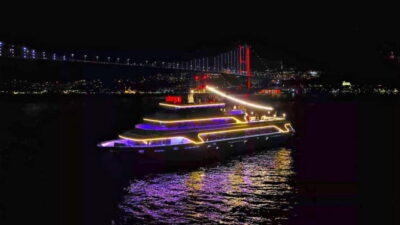
Bosphorus Dinner Cruise & Show with Private Table
Read our review →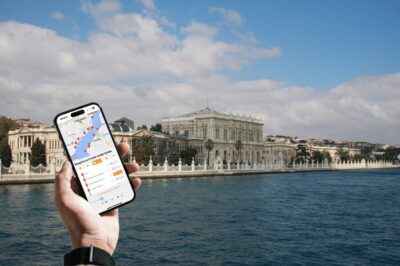
Daytime or Sunset Sightseeing Cruise & Audio Guide
Read our review →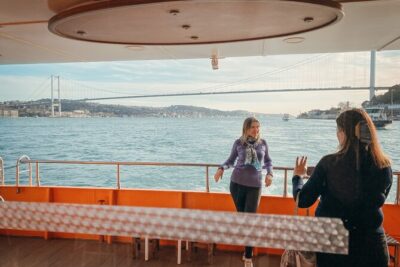
Bosphorus Dinner Cruise with Turkish Night Show
Read our review →
Best of Istanbul 1, 2 or 3-Day Private Guided Istanbul Tour
Read our review →
Basilica Cistern Fast-Track Entry and Audio Guide
Read our review →
Hagia Sophia Skip-the-Line Ticket & Museum Option
Read our review →
Hodjapasha Whirling Dervishes Show & Exhibition
Read our review →
Topkapi Palace & Harem Museum Ticket & Audio Guide
Read our review →Browse the lists this tour appears in