Reviewed · ISTANBUL TOURS
Easymade Small Group Istanbul, Ephesus, Pamukkale, Cappadocia
Istanbul, ancient battlefields, ruined Greek and Roman cities, white mineral terraces, and Cappadocia’s strange rock formations all fit into one carefully packed journey. The appeal is simple: you get a broad look at Turkey without arranging a string of hotels, transfers, entrance tickets, and domestic transport yourself.
I like the small-group format, which keeps the trip more personal than a large coach tour. I also like the mix of famous sights and less expected stops, such as Behramkale village, Sultanhani Caravansary, and the former Greek village of Mustafapasa. The main drawback is the pace: several days run for eight or nine hours, so this is not a relaxed resort holiday.
Key things to know before booking
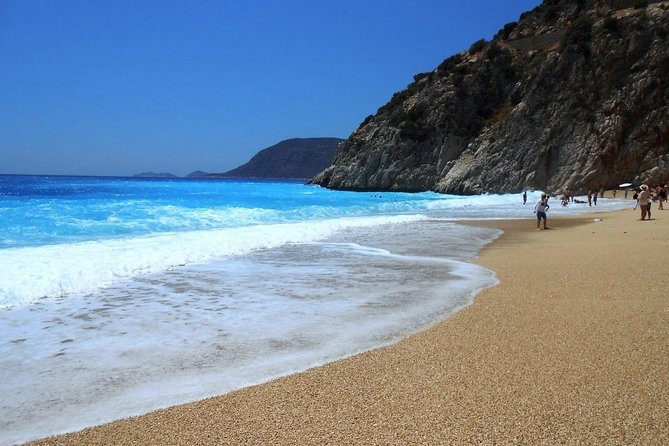
- Seven major regions in ten days: You move from Istanbul to Gallipoli, Troy, the Aegean coast, Pamukkale, Konya, and Cappadocia, then return to Istanbul.
- A maximum of 20 people: The group size should allow easier communication with the guide and quicker movement at busy sites.
- Guide quality matters: Guides named in past departures include Tamer, Fatih Karci, Halil, and G. Tamer received especially strong praise for timing visits around crowds and finding local cafés.
- Nine nights and six dinners are included: Breakfast is provided each morning, but lunches and some evening meals are your responsibility.
- Expect uneven ground: Ephesus, Troy, Gallipoli, Pamukkale, and Cappadocia include steep or uneven paths.
- Ballooning and other extras cost more: Optional activities are not included, and a faster flight option from Denizli to Cappadocia is available at an extra charge.
Istanbul gives you a strong opening
Your first day is deliberately light. An airport transfer takes you to your hotel, then you have the rest of the day free. That breathing room is useful after a long flight, although the schedule does not specify hotel location or the exact amount of free time available after check-in.
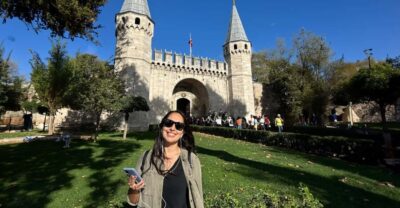
The main Istanbul tour follows on day two. In about seven hours, you visit the Blue Mosque, Hagia Sophia, Topkapi Palace, Hagia Irene, the Harem, and the Hippodrome. These are not minor introductory sights. Together, they explain the city’s Ottoman, Byzantine, and Roman layers.
Topkapi is especially worthwhile because the visit includes both Hagia Irene and the Harem. Many short city tours cover only the palace courtyards, so this wider visit gives you a fuller sense of royal life. The Hippodrome also helps connect modern Istanbul with the old imperial city.
An optional half-day Bosphorus cruise offers a different view. You cross the waterway between Europe and Asia, a pleasant change after museum interiors and courtyards. Since it is optional, check the extra cost and timing before you commit. You should also confirm exactly how much free time remains in Istanbul if you add it.
More ways to see Ephesus:
- 4 Days Turkey Tour – Cappadocia, Ephesus and Pamukkale Tour
★ 5.0 · 138 reviews - 6 Days Turkey Tour Cappadocia, Pamukkale, Ephesus, Gallipoli Troy
★ 5.0 · 109 reviews - Daily Ephesus & House of Virgin Mary from Istanbul – Small Group
★ 4.0 · 95 reviews
Gallipoli brings a quieter kind of history
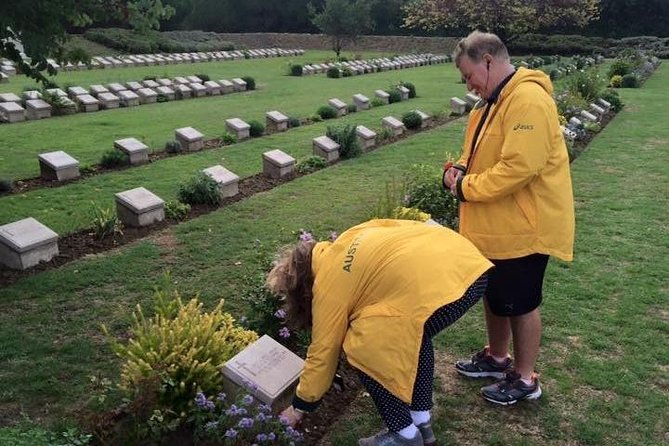
Day three is a long one, lasting about nine hours. The focus is the Gallipoli battlefields and memorials from the First World War, including Lone Pine, Chunuk Bair, ANZAC Cove, The Nek, Johnston’s Jolly, original trenches, and tunnels.
This is one of the most emotional parts of the route. The memorials are not simply military landmarks. They are places of remembrance for Australians, New Zealanders, Turks, and others affected by the campaign. A good guide can give the ground meaning without turning the day into a list of dates, and guides on this tour have been praised for clear site presentations.
You should prepare for open spaces, walking, and a full day on the road. The schedule gives admission as free, but the real value here comes from interpretation and context. If your interest is limited to classical ruins, Gallipoli may feel like a change of subject. If you want to understand modern Turkish identity and the ANZAC connection, it is essential.
Troy and Behramkale add variety
After departing Çanakkale, you visit ancient Troy and the newer Troy Museum. The archaeological site can be difficult to read without help because several settlements were built on the same hill over many centuries. A guide’s explanation is useful here, especially when distinguishing the different building phases and connecting the site with the Troy stories.
The museum gives the visit a more orderly presentation, with artifacts from the region displayed indoors. It is a good pairing with the ruins because the museum supplies the objects and background that the exposed site cannot.
The route then continues to Behramkale, an old village with stone houses and narrow lanes. You have time to walk, enjoy the views, and perhaps stop for Turkish tea or coffee at a local café. This is exactly the sort of pause that keeps a history-heavy itinerary from becoming repetitive.
The day lasts about eight hours before continuing to Kuşadası. That means Troy and Behramkale are valuable, but you should not expect a slow village stay. The tour gives you a taste of local life, not a full rural retreat.
Ephesus is the ancient high point
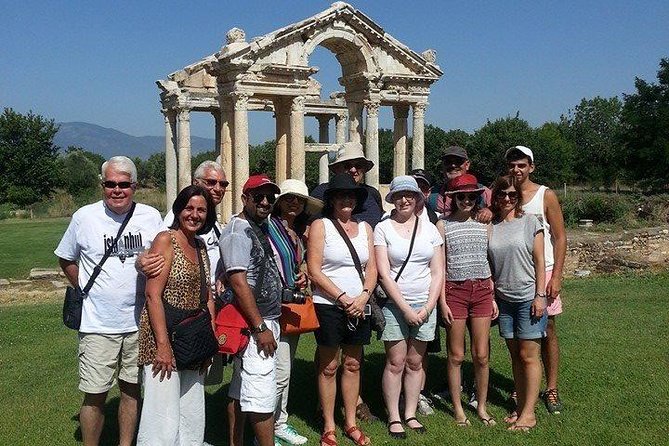
Day five focuses on Ephesus, the Temple of Artemis, and the Ephesus Archaeology Museum. The guided visit lasts about four hours, making it shorter than some road days but packed with major sights.
Ephesus is the kind of place where the guide’s skill changes the experience. You walk along streets and through public buildings that can otherwise look like scattered marble. The theatre and the city’s grand avenues help you picture its scale, while the museum fills in details with objects found in the area.
The Temple of Artemis stop is briefer, but it connects Ephesus with one of the ancient world’s celebrated monuments. Do not expect a complete temple. The importance lies in the site and in understanding what once occupied it.
The itinerary also includes a carpet village demonstration. You learn how carpets are made by hand and what affects their value. Some people enjoy seeing the craft and meeting local makers. Others may feel that any commercial presentation interrupts the archaeology. Keep that in mind if you prefer a tour built only around ruins and museums.
A few more Istanbul half-days to weigh up
- Istanbul: Bosphorus Dinner Cruise & Show with Private Table
★ 4.8 · 44,561 reviews - Istanbul: Daytime or Sunset Sightseeing Cruise & Audio Guide
★ 4.8 · 14,430 reviews - Istanbul: Bosphorus Dinner Cruise with Turkish Night Show
★ 4.8 · 10,127 reviews - Best of Istanbul 1, 2 or 3-Day Private Guided Istanbul Tour
★ 5.0 · 8,922 reviews
Pamukkale combines geology, bathing, and Roman ruins
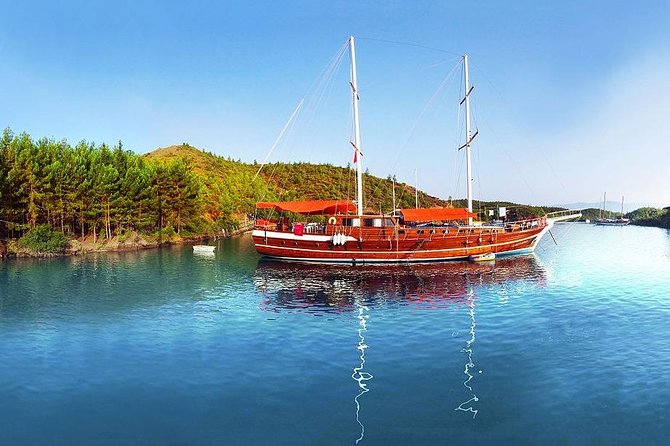
Day six visits the white travertine terraces of Pamukkale and the ancient city of Hierapolis. Each stop is allocated about three hours, which gives you time for both the natural formations and the archaeological site.
The terraces are made from calcium deposits carried by hot spring water. Their bright white surfaces are one of Turkey’s most recognizable sights, but the experience is practical as well as visual. Paths can be uneven, and walking conditions may be slippery or steep in places. Wear shoes that you can manage confidently and follow local instructions about where you may walk.
Hierapolis adds a Roman setting to the day. The ancient city was built around the hot springs, and you can take a dip among ancient columns in the thermal water used during Roman times. Check the current bathing arrangements and any extra charges locally, since the tour information does not say that a pool entry is included beyond the listed site admissions.
Pamukkale is also where the schedule begins to feel demanding. After several full days, the combination of walking, heat, and transport can wear you down. Still, the pairing of mineral terraces and Roman ruins is one of the trip’s most distinctive combinations.
The Silk Road route reaches Konya
Day seven is another nine-hour journey. Along the way, you visit Sultanhani Caravansary and the Mevlana Museum in Konya.
Sultanhani gives you a physical sense of how long-distance trade once worked. A caravansary was a stopping place for people, animals, and goods moving along the Silk Road. It is a useful counterpoint to the grand palaces and temples earlier in the trip because it focuses on travel, trade, and practical survival.
The Mevlana Museum introduces Konya’s connection with Jalal al-Din Rumi and the Mevlevi tradition. The visit adds a spiritual and cultural layer to a route otherwise centered on political power and ancient cities.
An optional Turkish folklore evening is offered at night. Since it is not included, you should treat it as an add-on rather than part of the basic value calculation. After a nine-hour touring day, you may want the performance, or you may prefer an early night.
Cappadocia rewards the long transfer
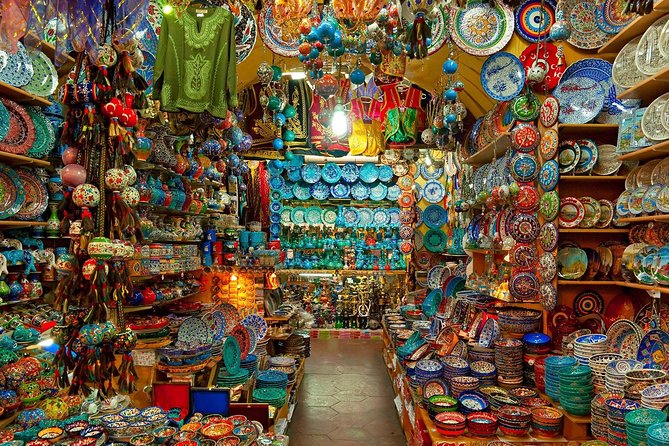
Cappadocia arrives on day eight, with about seven hours devoted to the Goreme Valley Open Air Museum, fairy chimneys, and an underground city.
The Goreme churches carved into rock preserve an unusual blend of natural formations and religious art. An underground city shows another side of the region, with multiple levels cut into soft volcanic rock. Tight passages and changes in height can make this visit uncomfortable if you dislike enclosed spaces.
The fairy chimneys are the visual signature of Cappadocia. You do not need a long explanation to appreciate them, but a guide helps connect the rock shapes with the area’s former homes, churches, and shelters.
Day nine continues with Mustafapasa, also called Sinasos, a former Greek village. You see examples of Greek Orthodox architecture before going on to Gomeda Valley, where the route includes rock-cut churches, shelters, vineyards, and an underground city. The visit to Sobeses adds ancient geometric mosaic floors to the day.
This is a full nine-hour schedule before a flight to Istanbul. The Cappadocia section is rewarding, but it is not leisurely. If you are tempted by a hot-air balloon ride, note that it is optional and not included. One past itinerary included ballooning as a highlight, but you should budget separately and understand that weather can affect such activities.
Hotels, meals, and transport shape the value
The price is $2,879.38 per person. That is a substantial amount, but it covers nine hotel nights, entrance fees, airport transfers in Istanbul, an English-speaking guide throughout, air-conditioned nonsmoking vehicle transport, nine breakfasts, six dinners, and the Cappadocia to Istanbul flight.
The value depends on how much independent planning you would otherwise do. You are paying for a linked route across Turkey, not simply for admission to a few famous sites. The long road transfers, hotel changes, guide service, and logistical handling are part of the package.
Accommodation quality may vary by stop. Gamirasu Cave Hotel in Cappadocia received especially warm praise for its rooms, setting, and food. The Canakkale hotel, MS Barbaros, was less satisfying for one departure, particularly because breakfast lacked juice and a toaster. That contrast is worth remembering: the tour offers convenience, but you may not get the same hotel standard every night.
Six dinners are included, but lunches are not listed. You should plan for personal spending during road days. The guide may recommend traditional cafés and restaurants, and this can be a real advantage. Tamer was specifically praised for taking the group to local places and for choosing presentation spots away from crowds and in the shade.
Drivers also matter on a route with busy city streets, mountain roads, and village lanes. Yilmaz and Genghis were praised for safe, punctual service, help with luggage, and skill in difficult conditions. These are small details until you are tired, carrying bags, or moving through bad weather.
Group size and walking demands
The maximum group size is 20, though some departures have been much smaller. One group traveled in a van carrying eight people including the guide and driver. A smaller vehicle can make rural stops and narrow village roads easier, while a group of 20 will feel less intimate.
The tour is offered in English and is described as suitable for most people. That does not mean it is effortless. You should be comfortable with long days, hotel transfers, ancient stone surfaces, stairs, uneven paths, and some steep sections. One past participant specifically advised booking only if you have reasonable mobility.
The best guide may be the most important part of the experience. Named guides include Tamer, Fatih Karci, Halil, and G. Their approach can differ, but the strongest descriptions point to good organization, clear history talks, crowd awareness, and practical help. You cannot usually guarantee a particular guide, so consider this a feature of the operator rather than a promise of one individual.
The cancellation terms are worth noting before payment. A full refund requires cancellation at least six full days before the start. Cancellation two to six days ahead receives a 50 percent refund, while cancellation less than two days ahead is nonrefundable. Poor weather or failure to reach the minimum group size may lead to another date or a full refund.
Who should book this Turkey itinerary?
I would choose this tour if you want to see the major western and central highlights of Turkey in one organized trip. It suits first-time visitors who value a guide, included transport, and a clear route more than long stays in one place.
It is also a good fit if you enjoy archaeology, military history, religious sites, village stops, and changing scenery. The route gives you more than Istanbul and Cappadocia, which makes it stronger than a standard highlights package.
I would hesitate if you want flexible mornings, long lunches, independent museum time, or several nights in each destination. The tour covers a great deal of ground, and the nine-hour days can be tiring. You should also set aside money for optional activities, tips for the guide and driver, travel insurance, lunches, and possible upgrades such as a flight from Denizli to Cappadocia instead of the bus.
Should you book it?
Book it if your priority is coverage with support. In ten days, you see Istanbul’s imperial center, Gallipoli’s memorials, Troy, Ephesus, Pamukkale, Konya, and Cappadocia without having to solve every transfer yourself.
Skip it if you want a slow, deeply local trip or if uneven ground and long driving days would be a problem. For most first visits, though, the combination of strong guiding, a small-group cap, included admissions, and a wide sweep of Turkey makes the price reasonable, provided you understand that this is an active sightseeing program rather than a restful holiday.
FAQ
How long is the tour?
The tour lasts approximately 10 days and includes 9 nights of accommodation.
Where does the tour start and finish?
The tour starts and ends in Istanbul. Inbound and outbound Istanbul airport transfers are included.
What destinations are included?
The itinerary includes Istanbul, Gallipoli, Troy, Behramkale, Kuşadası, Ephesus, Pamukkale, Hierapolis, Konya, and Cappadocia.
How many people can join the group?
The maximum group size is 20 people. Some departures may operate with a smaller group.
Is the tour conducted in English?
Yes. A professional English-speaking tour guide is included for the duration of the tour.
Are meals included?
Nine breakfasts and six dinners are included. Lunches are not listed as included.
Is the Cappadocia to Istanbul flight included?
Yes. The flight between Cappadocia and Istanbul, along with transfers, is included. Passport copies must be sent after booking.
Can I fly from Pamukkale to Cappadocia instead of taking the bus?
Yes. A flight from Denizli, the nearest airport to Pamukkale, to Cappadocia is available at an extra cost. You need to contact the provider for a quote.
Are optional activities included?
No. Suggested optional activities, including the optional Bosphorus cruise and Turkish folklore evening, are not included in the tour price.
Is travel insurance included?
No. Compulsory travel insurance is not included and must be arranged separately.
Are tips included?
Tips for the driver and guide are not included. The included tips listed in the package do not cover them.
What happens if bad weather cancels the tour?
If poor weather causes cancellation, you will be offered a different date or a full refund. If the minimum number of participants is not reached, you will be offered another date or experience, or a full refund.
Just added around Istanbul
- istanbul airport transfer★ 3.5 · 43 reviews
- Istanbul Private Guiding Service★ 5.0 · 68 reviews
- Flying Dress Photography on an Iconic Rooftop in Istanbul★ 5.0 · 87 reviews
- Best Istanbul tour with private guide by skipping ticket line★ 5.0 · 103 reviews
- Food Tour in Istanbul with Local Guide★ 5.0 · 37 reviews
- istanbul old city private tour★ 5.0 · 19 reviews
- Istanbul Private Tour (Licensed Guide)★ 5.0 · 17 reviews
- Istanbul Airport (IST) To Hotels Transfer★ 5.0 · 80 reviews
Istanbul Tours, compared.
Bosphorus Dinner Cruise & Show with Private Table
Read our review →
Daytime or Sunset Sightseeing Cruise & Audio Guide
Read our review →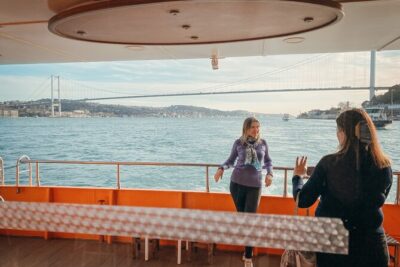
Bosphorus Dinner Cruise with Turkish Night Show
Read our review →
Best of Istanbul 1, 2 or 3-Day Private Guided Istanbul Tour
Read our review →
Basilica Cistern Fast-Track Entry and Audio Guide
Read our review →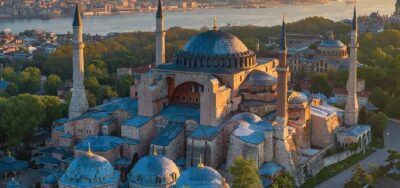
Hagia Sophia Skip-the-Line Ticket & Museum Option
Read our review →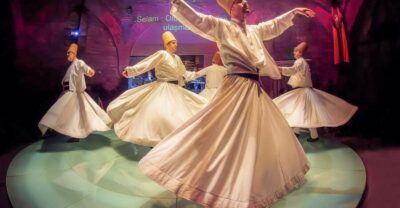
Hodjapasha Whirling Dervishes Show & Exhibition
Read our review →