Reviewed · ISTANBUL TOURS
Flying Carpet 15-Day Tour from Istanbul
Istanbul’s minarets, Gallipoli’s solemn battlefields, Ephesus’s marble streets, Pamukkale’s white terraces, and Cappadocia’s strange rock formations all fit into one well-packed journey. I especially like the small maximum group of 12 and the way the route mixes major ancient sites with places such as Şirince, Kayaköy, Salda Lake, and a working pottery town.
I also like having one guide and one air-conditioned vehicle for the full trip, rather than piecing together trains, buses, and local tours. The tradeoff is clear: this is a busy circuit with several long driving days, including an 11-hour Gallipoli day and a 10-hour return from Ankara to Istanbul. You will see a great deal, but you will not linger everywhere.
Key points to know before booking
- A full western Turkey circuit: The route covers Istanbul, Gallipoli, Troy, Pergamon, Ephesus, Aphrodisias, Pamukkale, Fethiye, Antalya, Konya, Cappadocia, and Ankara.
- A small-group format: The group is limited to 12 people, with some departures reported at around eight.
- Strong history content: You visit major archaeological sites, Ottoman monuments, Gallipoli memorials, a Neolithic settlement museum, and Atatürk’s mausoleum.
- A guide makes the difference: Guides including Fatih Karci, Tamer, Halil Esen, Cengizhan, and Goksu have been praised for clear explanations and practical help.
- Active but not extreme: Expect walking over ruins, uneven ground, terraces, museums, and underground passages, plus optional boat and gorge trips.
- Check the meal arrangement: Accommodation, entrance fees, breakfasts, and seven dinners are listed, but some meals are marked optional, so confirm exactly what your booking includes.
What this 15-day Turkey tour is really designed to do
The Flying Carpet Tour is not a relaxed beach holiday with a few ruins added. It is a broad introduction to Turkey, moving from the imperial city of Istanbul through ancient Greek and Roman sites, Mediterranean towns, Islamic and Ottoman culture, and the unusual scenery of Cappadocia.
You spend 14 nights in accommodation and travel by fully air-conditioned, non-smoking vehicle. A professional English-speaking guide stays with you for the duration, and airport transfers in Istanbul are included at the beginning and end.
That structure matters. Turkey is spread over a large area, and many of its best sights are not connected by simple rail journeys. Having transport, hotels, admission fees, and a guide arranged in one package saves time and reduces the daily work of figuring out where to go next.
The cost is $3,915.35 per person. That is a substantial price, but it covers two weeks of lodging, transport, guiding, entrance fees, inbound and outbound transfers, and some meals. I would judge the value by how much planning you want to hand over. Independent visitors may spend less, but they will need to arrange long-distance transport, local guides, hotels, and site visits themselves.
A few more Istanbul half-days to weigh up
- Istanbul: Bosphorus Dinner Cruise & Show with Private Table
★ 4.8 · 44,561 reviews - Istanbul: Daytime or Sunset Sightseeing Cruise & Audio Guide
★ 4.8 · 14,430 reviews - Istanbul: Bosphorus Dinner Cruise with Turkish Night Show
★ 4.8 · 10,127 reviews
Istanbul begins with two continents and several empires
Your first day is deliberately light. A transfer takes you to the Port Bosphorus Hotel in Beyoğlu, then the rest of the day is free. That gives you time to recover from your flight and get your first look at Istanbul without being rushed straight into a museum.
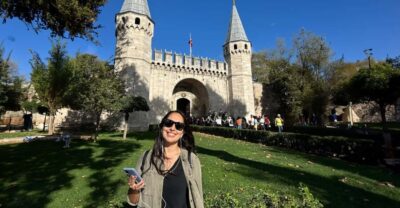
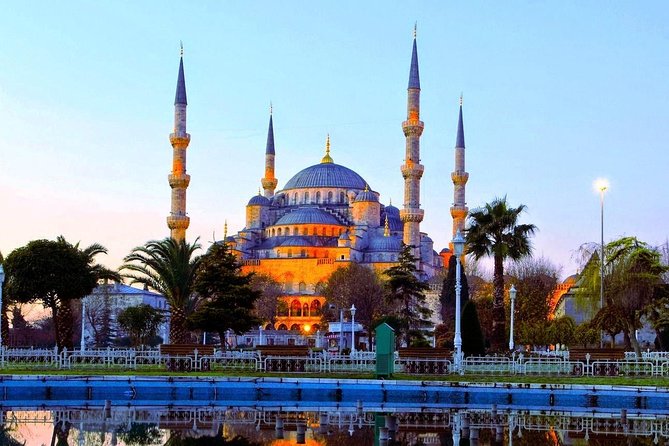
Day two is the city’s main historical introduction. With your guide, you visit the Blue Mosque, Hagia Sophia Museum, Topkapı Palace, and the Hippodrome. These places explain the city’s Ottoman and Byzantine past better than any quick orientation talk could.
The afternoon offers an optional half-day Bosphorus cruise. This is a sensible add-on if you want a break from monuments and a view of how Istanbul is arranged between Europe and Asia. The waterway is not just a photo stop. It is the city’s geographic key, separating the two continents and linking the Black Sea with the Sea of Marmara.
The Istanbul portion is useful, but the schedule is full. Topkapı Palace alone can take a good part of a day if you linger over its courtyards and collections. Since the tour continues on day three, you may want to use your free first afternoon for a simple neighborhood walk rather than trying to squeeze in every famous sight.
Gallipoli and Troy bring the ancient and modern worlds together
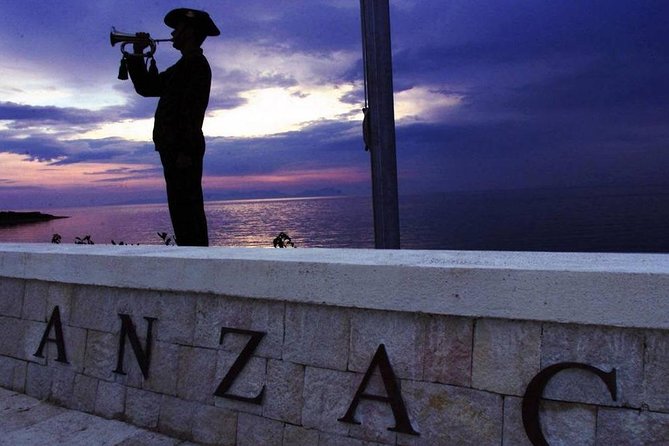
Day three is one of the longest days, at about 11 hours. The focus is the Gallipoli battlefields, including Anzac Cove, Lone Pine, Chunuk Bair, The Nek, Johnston’s Jolly, original trenches, tunnels, and memorials.
This is a place for quiet attention rather than quick sightseeing. The geography helps explain the failed campaign, and the memorials connect military history with the personal stories of soldiers from Turkey, Australia, and New Zealand. If your trip coincides with Anzac services in April, the visit can carry added significance, though the supplied schedule does not promise attendance at a particular ceremony.
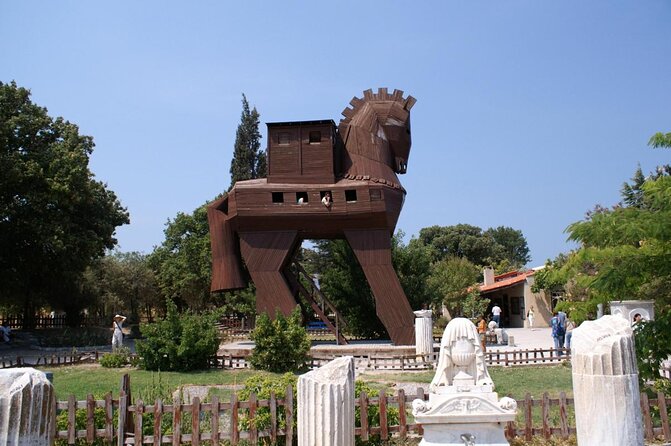
The next day turns to Troy, a UNESCO World Heritage Site. You explore the archaeological remains and the newer Troy Museum before continuing to Bergama and Pergamon’s acropolis. The museum helps make sense of a site where different settlement layers can otherwise look like piles of stones.
Pergamon was a major cultural and political center, known for its temples and library. The acropolis also brings a practical point into view: this itinerary asks you to absorb several major sites in quick succession. Troy and Pergamon are both worthwhile, but you will get more from them if you listen closely to the guide and do not expect long stretches of independent exploration.
Ephesus, Şirince, and Aphrodisias add variety to the ruins
Ephesus is one of the strongest days on the route. The ancient city once served as a major trade and religious center, and its surviving streets, theater, and Library of Celsus give you a clear sense of its scale.
You also visit the site associated with the Temple of Artemis and the Ephesus Archaeology Museum. The museum is an important companion to the ruins because it displays objects removed from the ancient city and puts daily life alongside the grand architecture.
This day includes a carpet village and a demonstration of how Turkish carpets are made by hand. You learn what affects a carpet’s value, including its workmanship. The stop can be interesting if you want to understand a traditional craft, but it is also a shopping-oriented experience. Set your budget before you go and remember that learning about carpets does not require buying one.
The day ends in Şirince with wine tasting. This small village offers a change of pace after the stone and marble of Ephesus. The listed touring time is about four hours, so the day may feel lighter than several others.
Aphrodisias follows on day six, after a leather shop visit. The ancient city was devoted to Aphrodite and became famous for its school of sculpture. Its stadium is especially notable for its preservation, while the Tetrapylon, theater, temple, and museum fill out the visit.
As with the carpet stop, the leather shop is a commercial visit. It may suit you if you are interested in Turkish leather goods, but it is not a core historical sight. The ancient city itself is the reason to look forward to this day.
Same base, a completely different sort of day:
- Best of Istanbul 1, 2 or 3-Day Private Guided Istanbul Tour
★ 5.0 · 8,922 reviews - Istanbul: Basilica Cistern Fast-Track Entry and Audio Guide
★ 4.6 · 7,521 reviews - Istanbul: Hagia Sophia Skip-the-Line Ticket & Museum Option
★ 3.7 · 4,958 reviews - Istanbul: Hodjapasha Whirling Dervishes Show & Exhibition
★ 4.4 · 4,790 reviews
Pamukkale combines Roman baths with dramatic white terraces
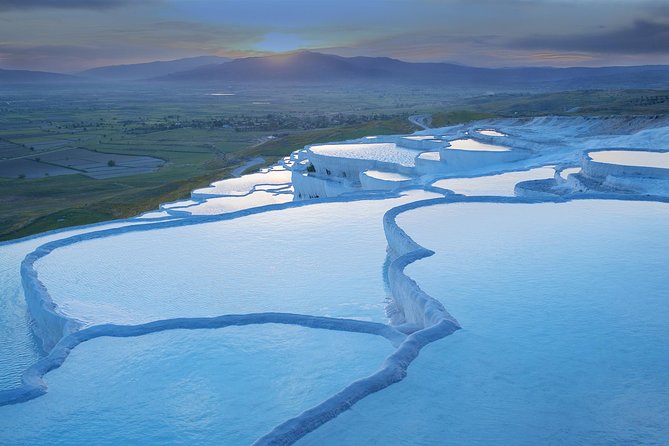
Pamukkale is one of Turkey’s most recognizable sights. Calcium terraces spill down the hillside in bright white layers, created by mineral-rich thermal water. You also tour Hierapolis, the ancient spa city built above the terraces.
The historical connection is easy to appreciate: people came here for the hot springs long before modern tourism. You can take a dip among ancient columns in the thermal waters, although the exact bathing conditions can vary, so bring suitable swimwear if you want to use the opportunity.
Day seven also includes Salda Lake, called the Turkish Maldives because of its pale shores and clear water. It is a scenic mountain stop before the route heads south to Fethiye.
Pamukkale involves walking and exposure to sun, and the white surface can be hard on the eyes. Good walking shoes, sun protection, and water will make the visit more comfortable. The day runs about seven hours, but the wider circuit means you should still expect a fair amount of time on the road.
Fethiye gives you a needed pause by the Mediterranean
Day eight is free in Fethiye, and this break is one of the smartest features of the schedule. After a week of monuments and transfers, you can explore the town at your own pace or choose an optional activity.
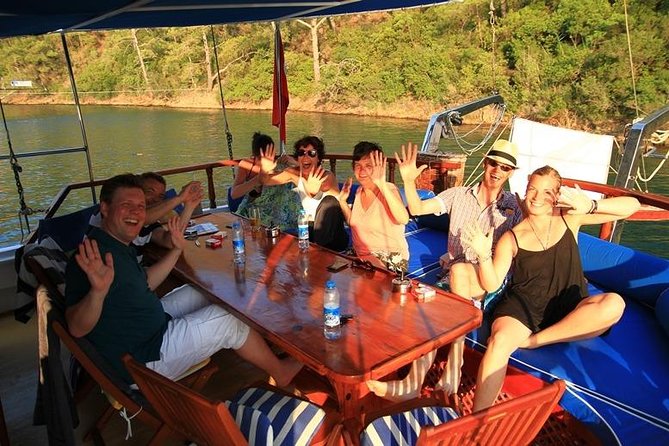
The two named options are a 12-island boat trip and a Saklıkent Gorge tour. The boat outing suits you if you want a day on the water, while the gorge offers a more active change from archaeological sightseeing. Neither is included in the base package, so allow extra money and time.
Fethiye is also where you can catch up on laundry, rest by the coast, or simply avoid turning every day into a race. The listed touring time is only two hours, reflecting the fact that the main day belongs to you.
Kayaköy and Antalya shift the trip toward the coast
The deserted Greek village of Kayaköy is a striking morning visit. Its empty stone houses climb the hillside, creating a quiet and slightly haunting setting. It is also one of the better photography stops on the tour, especially when the light is gentle.
From there, you continue to Antalya and visit the Antalya Necropol Museum. The museum focuses on burial practices and objects from several periods, giving you a more specific look at ancient life than another set of columns would.
Day ten takes you to Perge early, then Aspendos. Perge is a major ancient site, while Aspendos has one of the best-preserved second-century amphitheaters in Turkey. The theater is the star here, with its scale and condition making it easier to picture performances in antiquity.
You return to Antalya in the afternoon, leaving free time in the city. That balance works well. You get two substantial ruins in the morning, then a chance to enjoy Antalya without a guide setting every minute.
Konya and Çatalhöyük show another side of Turkey
Day eleven moves inland to Konya. The Mevlana Museum contains the mausoleum of Mevlana Celaleddin Rumi, the 13th-century Sufi mystic and poet. You see his decorated tomb, manuscripts, and displays about Whirling Dervish traditions.
This is a different kind of historical experience from Ephesus or Aspendos. The emphasis is spiritual and cultural, and your guide’s explanation will help you understand why Rumi remains important far beyond Turkey.
The route continues along the old Silk Road to the Çatalhöyük Museum. The settlement represented here is one of the world’s oldest and most advanced Neolithic communities. It gives the tour a very early historical layer, long before the Greek, Roman, Byzantine, or Ottoman periods covered elsewhere.
The day is about eight hours, and it is another transfer-heavy stretch. If your interest is mainly beaches and scenery, Konya may feel like a detour. If you want a wider understanding of Turkey, it earns its place.
Cappadocia delivers the most unusual scenery
On day twelve, you head toward Cappadocia, stopping at Sultanhani Caravansary and an underground city. The caravansary recalls the practical side of Silk Road travel, while the underground city shows how communities used the soft volcanic rock below ground.
Underground passages can be narrow or uneven, so this is worth keeping in mind if you dislike confined spaces. The schedule does not specify which underground city you visit, so ask for current details before departure if that matters to you.
Day thirteen is devoted to the region’s famous rock formations. You visit Göreme Valley Open Air Museum, the fairy chimneys, Pigeon Valley, Red Valley, Çavuşin village, and Avanos.
The Göreme churches and chapels are the cultural heart of the day, while Pigeon and Red Valleys provide the best scenery. Çavuşin adds a village setting, and Avanos introduces handmade pottery. The pottery visit is more useful than a simple souvenir stop because it connects the region’s clay traditions with an actual craft demonstration.
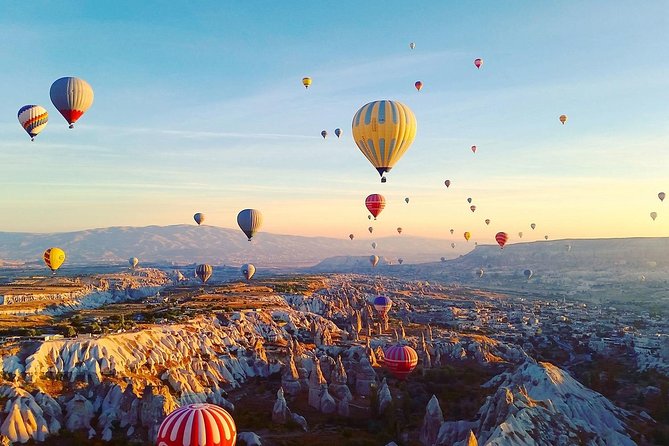
Cappadocia is a highlight, but the day is packed. You may want to prioritize the guide’s explanations at Göreme and save your energy for the valleys. A hot-air balloon ride is not listed as an included or optional activity here, so do not assume it is part of the package.
Ankara closes the loop through modern Turkish history
Day fourteen starts early with the drive to Ankara. You visit Anıtkabir, the mausoleum of Mustafa Kemal Atatürk, founder of modern Turkey, then continue to Istanbul.
The return drive is listed at about 10 hours, making this the most demanding finale. Anıtkabir is an important stop, but you should be prepared for a long day in the vehicle after two weeks of touring.
The final morning includes breakfast, an airport transfer, and departure. Since the tour ends back at the Port Bosphorus Hotel meeting point before the airport transfer, confirm how the final transfer is timed for your flight.
Guides, vehicles, and the feel of a small group
The guide is central to this experience. Guides named in past departures include Fatih Karci, Tamer, Halil Esen, Cengizhan, and Goksu. Their roles go beyond explaining ruins. You can expect help with hotel check-ins, restaurant menus, local food choices, and practical requests.
The strongest praise has focused on guides who explain history in plain language and connect the sites to Turkish culture. That matters on a route with so many civilizations and unfamiliar names. A good guide can turn a confusing mound at Troy or a broken temple at Aphrodisias into a place with a clear story.
The group limit is 12, and several departures have been described as groups of eight. A small vehicle makes it easier to hear the guide, ask questions, and move through hotels without the delays of a large coach.
The included vehicle is air-conditioned and non-smoking. Tips for the driver and guide are not included, even though general tips are listed as covered, so set aside money for those gratuities.
What the price includes, and what it does not
At $3,915.35 per person, the package is aimed at people who value convenience and structure. You receive:
- 14 nights of accommodation
- Airport transfers in Istanbul at the start and end
- Transport in an air-conditioned, non-smoking vehicle
- An English-speaking guide throughout
- Entrance fees
- Breakfast and seven dinners as listed, with some meal details marked optional
Suggested activities are not included. That applies to the Bosphorus cruise, the Fethiye boat trip, and Saklıkent Gorge tour. Travel insurance is compulsory but not included, and tips for the guide and driver are extra.
I would ask for the exact hotel list and meal plan before paying. The tour materials describe breakfasts and seven dinners, but the meal wording is not completely clear. That is a small issue compared with the total cost, yet it affects your daily budget.
The cancellation terms are strict: the booking is non-refundable and cannot be amended. The exceptions are cancellations caused by poor weather or failure to meet the minimum group size, in which case a different date, another experience, or a full refund is offered.
Who should book the Flying Carpet Tour
I would recommend this tour if you want one organized journey through Turkey’s major historical regions and prefer not to manage internal transport. It suits people who enjoy museums, archaeological sites, religious history, scenic stops, and local crafts more than people seeking a slow coastal holiday.
You should be comfortable with early starts, long drives, uneven ground, and several busy touring days. Most people can participate, but the mix of ruins, terraces, valleys, and an underground city makes sensible footwear important.
The tour is also a good fit if you enjoy learning through conversation. Guides such as Fatih Karci and Tamer have been especially appreciated for their passion, humor, and practical help, though the assigned guide can vary by departure.
Should you book it?
Book it if your ideal first trip to Turkey includes ancient cities, Gallipoli, Istanbul’s monuments, Mediterranean scenery, Cappadocia, and a strong historical thread. The route covers an impressive amount of ground, and the small group keeps the experience more personal than a large coach tour.
Skip it if you want long stays in each town, flexible free time, or control over every hotel and meal. At this price, confirm the accommodation standard, dinner schedule, optional activity costs, and final airport-transfer timing before committing. For a first, wide-ranging look at western Turkey, the Flying Carpet Tour offers a practical way to see the country’s major chapters in one carefully connected trip.
FAQ
Where does the Flying Carpet Tour start and finish?
The tour starts at Port Bosphorus Hotel in Beyoğlu, Istanbul. It returns to the same meeting point, followed by an airport transfer for your onward flight.
How many people can join the tour?
The maximum group size is 12 people. Some departures have operated with groups of about eight.
Is transportation included?
Yes. Transportation is provided in a fully air-conditioned, non-smoking vehicle, with an English-speaking guide accompanying you throughout the tour.
Are airport transfers included?
Yes. An inbound Istanbul transfer and an outbound Istanbul transfer are included.
Are meals included?
The package lists breakfast and seven dinners, but some meal details are marked optional. Confirm the exact meal arrangement when booking.
What is not included in the price?
Suggested optional activities, compulsory travel insurance, and tips for the driver and guide are not included. The Bosphorus cruise, Fethiye boat trip, and Saklıkent Gorge tour are listed as optional activities.
Just added around Istanbul
- istanbul airport transfer★ 3.5 · 43 reviews
- Istanbul Private Guiding Service★ 5.0 · 68 reviews
- Flying Dress Photography on an Iconic Rooftop in Istanbul★ 5.0 · 87 reviews
- Best Istanbul tour with private guide by skipping ticket line★ 5.0 · 103 reviews
- Food Tour in Istanbul with Local Guide★ 5.0 · 37 reviews
- istanbul old city private tour★ 5.0 · 19 reviews
- Istanbul Private Tour (Licensed Guide)★ 5.0 · 17 reviews
- Istanbul Airport (IST) To Hotels Transfer★ 5.0 · 80 reviews
Istanbul Tours, compared.
Bosphorus Dinner Cruise & Show with Private Table
Read our review →
Daytime or Sunset Sightseeing Cruise & Audio Guide
Read our review →
Bosphorus Dinner Cruise with Turkish Night Show
Read our review →
Best of Istanbul 1, 2 or 3-Day Private Guided Istanbul Tour
Read our review →
Basilica Cistern Fast-Track Entry and Audio Guide
Read our review →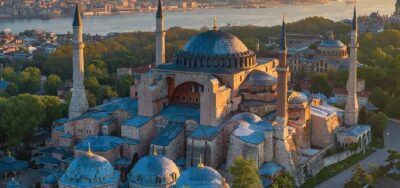
Hagia Sophia Skip-the-Line Ticket & Museum Option
Read our review →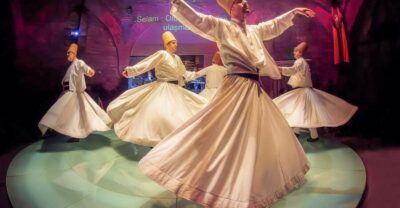
Hodjapasha Whirling Dervishes Show & Exhibition
Read our review →