
Reviewed · ISTANBUL TOURS
From Istanbul: Gallipoli and Anzac Full-Day Tour
Gallipoli is not a quick photo stop. It is a long, solemn day in a place where the ground, beaches, cemeteries, and memorials still give shape to the human cost of the First World War. This tour takes you from Istanbul to the Dardanelles, then places the campaign in front of you through sites such as Anzac Cove, Lone Pine, and Chunuk Bair.
I like two things right away: the guide does the hard work of explaining the battlefield, and the small group makes it easier to hear, ask questions, and move between sites. Guides including Burak, Charlie, Ibo, Bulent, and Ibrahim have been praised for clear English, humor, and the ability to explain both the Turkish and Anzac sides of the campaign.
The catch is the schedule. With pickups beginning around 6 AM and a return near 11 PM, this is a demanding 15-hour outing. The drive takes roughly four hours each way, and the battlefield section is full, so you need stamina, comfortable shoes, and a willingness to spend much of the day on the road.
Key points to know before booking
- Anzac Cove and Ariburnu Cemetery: See the landing beach and one of the most important burial grounds connected with the Anzac story.
- Lone Pine and Chunuk Bair: Visit the Australian and New Zealand memorials that anchor the campaign for many visitors from those countries.
- Guides who bring the story to life: Burak, Charlie, Ibo, and other English-speaking guides are known for clear explanations, maps, personal stories, and a good sense of humor.
- A 15-hour trip from central Istanbul: Hotel pickup, rest stops, lunch, and the return drive make this practical, but not short or relaxed.
- Kilitbahir Castle included: See the 15th-century fortress built to guard the narrow Dardanelles passage.
- Good value at $159: Transport, lunch, entrance fees, and a small group are included, though breakfast and drinks cost extra.
Why Gallipoli is worth a full day from Istanbul
The Gallipoli Campaign was an Allied attempt to force a route through the Dardanelles and help open supplies to Russia during World War I. British Empire forces, French troops, and the Australian and New Zealand Army Corps faced Ottoman defenders in a campaign that lasted for months and ended in Allied withdrawal.
For Australians and New Zealanders, the visit has a special national meaning. The Anzac landing became part of the identity of both countries. Yet Gallipoli is not only an Anzac story. The Turkish defense, the Ottoman soldiers, and the campaign’s effect on modern Turkey are just as important.
That balance is one of the tour’s strongest features. Guides explain the places from both sides of the fighting rather than presenting the battlefield as a single-country memorial. The best guides, including Burak and Charlie, add maps, photographs, quotations, and stories about individual soldiers. That human detail helps you understand the campaign beyond dates and troop movements.
I would not treat this as a casual day trip. The memorials are quiet and serious, and some of the stories are painful. Still, the guide’s humor helps keep the long day manageable without making light of the subject.
More Gallipoli battlefield days:
- Istanbul to Gallipoli Full Day Tour with Lunch and Transfers
★ 5.0 · 567 reviews - Gallipoli Full-Day Tour from Istanbul
★ 4.9 · 468 reviews - 6 Days Turkey Tour Cappadocia, Pamukkale, Ephesus, Gallipoli Troy
★ 5.0 · 109 reviews
The early start and four-hour drive south
Pickup is arranged from central Istanbul hotels, mainly in Sultanahmet, Laleli, Topkapı, Aksaray, Taksim, Sirkeci, and Şişli. Taksim pickups are usually between 6:00 and 6:20 AM, while Sultanahmet pickups are generally between 6:30 and 7:00 AM. The exact time and meeting place can depend on your hotel, so confirm them before departure.
There is no pickup or drop-off from Istanbul’s Asian side. Large bags and luggage are not allowed, which matters if you are trying to fit Gallipoli between hotel stays. The tour is also not suitable for wheelchair users.
The coach is air-conditioned and non-smoking. Most of the trip is spent traveling south toward the Dardanelles, with a breakfast stop around 9:30 to 10:00 AM. An open buffet breakfast is available at extra cost, while drinks are not included.
The long drive is the main tradeoff of this excursion. You lose a full day in Istanbul, and the return can be tiring after several hours outside. On the other hand, hotel pickup removes the need to arrange your own transport, and scheduled rest stops give you a chance to use clean facilities and buy food.
Transport quality has been one of the tour’s strong points. The vehicle is described as modern and comfortable, and the small group is limited to 15 people. In practice, a group of around 10 makes site visits easier than a large coach tour. You can hear the guide better and spend less time waiting for people to gather.
Eceabat lunch and first views of the Dardanelles
After reaching the Gallipoli area, you have lunch at a restaurant in Eceabat Village, with views toward the Dardanelles. Lunch is included in the tour price and is described as tasty and substantial, though it is sensible to keep expectations practical rather than expect a long meal with many choices.
Drinks are extra. One meal description noted a limited non-alcoholic selection and a tangerine rather than a dessert, so bring some cash or a card if you want something beyond the included meal.
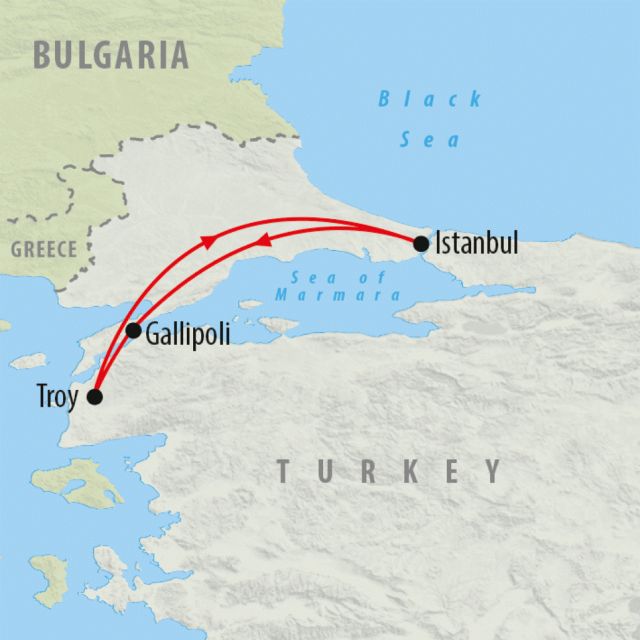
Eceabat is a useful place to pause before the memorial visits. The Dardanelles is not just a scenic waterway. It is the reason the campaign took place here. The straits formed a narrow route between the Aegean Sea and the Sea of Marmara, and control of this passage mattered to both the Ottoman Empire and the Allied powers.
The tour begins with a short explanation at the narrowest point of the Dardanelles. This gives you a basic map in your head before the guide starts describing landings, ridges, batteries, and advances. That orientation is valuable because the battlefield is spread across a large area, and many place names can blur together during a busy day.
Kilitbahir Castle and the Ottoman defense
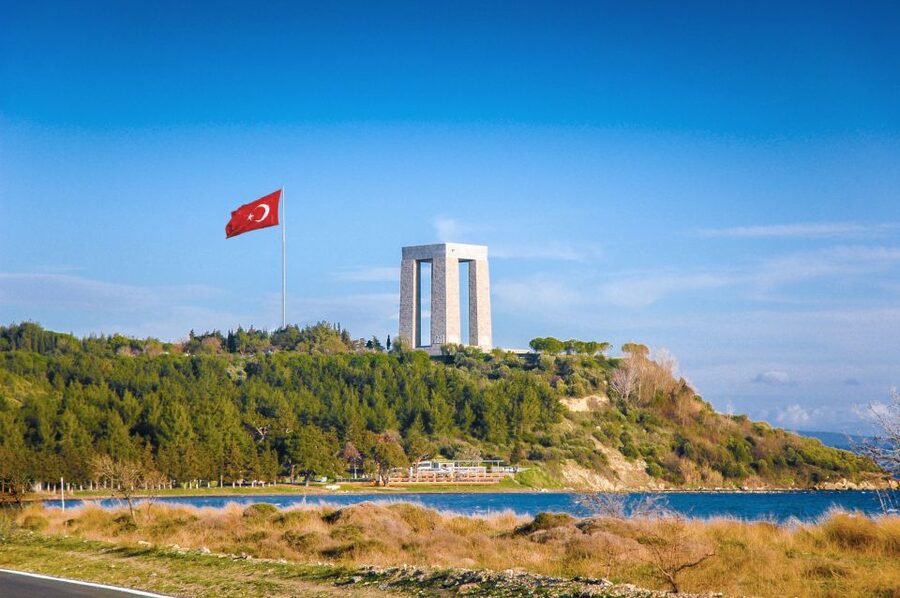
Kilitbahir Castle is one of the few stops that reaches back well before World War I. Fatih Sultan Mehmet built the fortress in 1463 to protect the Dardanelles. Its position near the narrowest part of the straits shows why this area has been a military gateway for centuries.
The castle gives the tour a wider frame. Gallipoli was not an isolated battlefield chosen at random. The straits had long been a defensive barrier, and the Ottoman position here was tied to the protection of Istanbul and the route into the Sea of Marmara.
You should have your camera ready, but remember that this is primarily a historical stop rather than a long castle tour. Entrance fees are included, and the visit fits into the larger route through the peninsula.
A few more Istanbul half-days to weigh up
- Istanbul: Full-Day Highlights Tour with Guide and Lunch
★ 4.6 · 1,662 reviews - From Istanbul: Full-Day Princes Island Tour with Lunch
★ 4.0 · 1,550 reviews - ISTANBUL BEST: Iconic Landmarks Full Day PRIVATE Guided City Tour
★ 5.0 · 1,032 reviews - Istanbul: Best of The City Full-Day Tour with Transfers
★ 4.6 · 616 reviews
Anzac Cove and the landing beaches
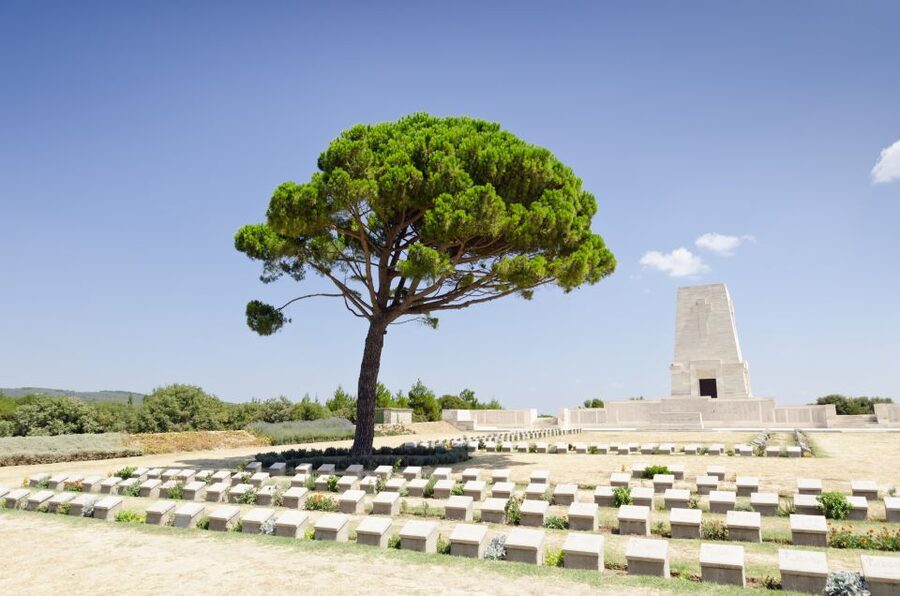
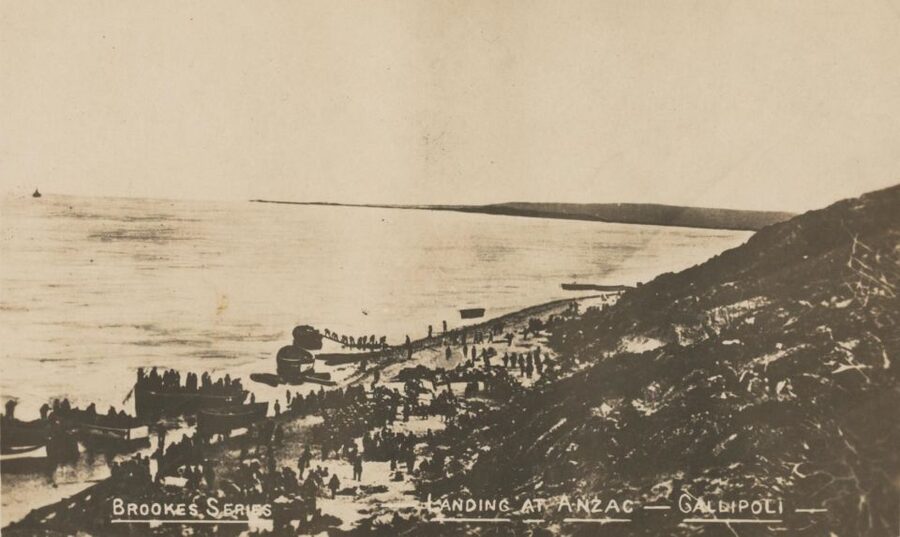
The most emotional part of the tour begins at the landing beaches. You visit the shores where British Empire troops and French forces came ashore, and where Australian and New Zealand troops landed at Ariburnu, the area associated with Anzac Cove.
From the beach, the terrain helps explain the confusion and difficulty of the campaign. The Anzacs did not land on an easy, open route inland. The ground rises sharply, and the narrow coastal area became the main base for Australian and New Zealand troops.
A guide is especially useful here. Without one, you see a beach and hills. With a good explanation, you begin to understand the problem of movement, the pressure of the fighting, and how quickly the geography shaped the campaign.
You will also see the Turkish Canon Batteries. These positions remind you that the Allied landing was met by organized Ottoman resistance. The tour does not reduce the site to a single national memory, and that is important. Respect for the Anzac dead and respect for the Turkish defenders belong in the same visit.
Ariburnu Cemetery and the Anzac Commemorative Site
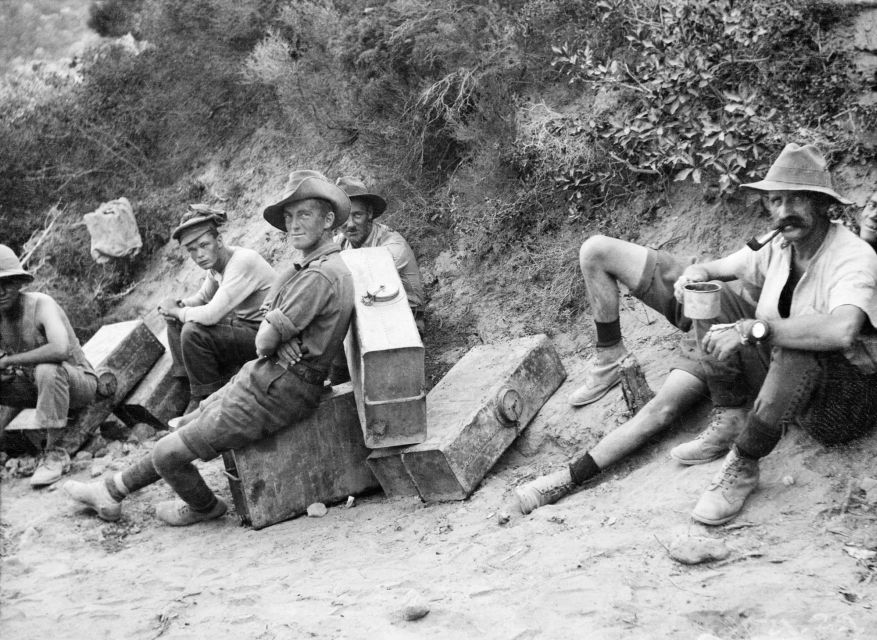
Ariburnu Cemetery is close to Anzac Cove and is one of the places where the human cost becomes immediate. The neat rows of graves are more powerful than a general battlefield explanation because each grave marks one person rather than an abstract military loss.
The Anzac Commemorative Site adds another layer to the visit. This is a place to pause, listen, and let the guide’s explanation settle. The tour is designed for people who want more than a quick drive past a memorial, though the number of stops means your time at each place is managed.
If you have a family connection to the campaign, tell the guide early. One guide researched a relative’s grave and arranged a detour so a participant could visit it. That sort of help cannot be guaranteed, but it shows why sharing family details before departure may be worthwhile.
John Simpson Kirkpatrick and the personal stories
The tour also points out the grave of John Simpson Kirkpatrick, the stretcher-bearer often remembered in the Anzac story for carrying wounded men with the help of a donkey. His story is one of the campaign’s best-known personal accounts, but it works here because you encounter the place connected with him rather than hearing his name only in a lecture.
The strongest guiding on this trip uses such individual stories to connect the wider campaign with ordinary soldiers. Guides have used photographs, maps, and quotations to explain what happened and to show how Australian, New Zealand, British, French, and Turkish experiences differed.
This is where the English-speaking guide matters most. Several guides have been singled out for fluent English and strong delivery, while Burak is especially appreciated for combining detailed research with a light touch. You may have a different guide on your departure, but the guide is assigned locally after the long drive to the Gallipoli area.
Lone Pine Australian Memorial
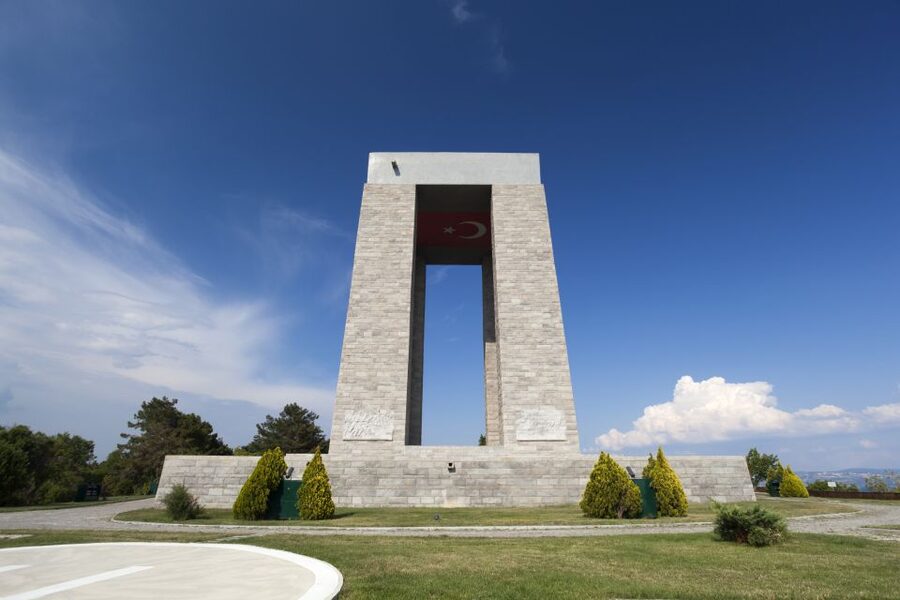
Lone Pine is one of the main stops for Australian visitors. The Australian Memorial commemorates the campaign’s dead and is tied to one of the best-known battles on the peninsula.
This is not simply a place to take a photograph. The memorial helps you connect the campaign to the national memory of Australia, while the guide explains the military action and the human losses behind it. Australian participants often find this stop particularly meaningful, but you do not need an Australian family connection to understand its importance.
The guide usually provides time for photographs after the explanation. That rhythm repeats throughout the afternoon: gather, listen, walk or look around, then move to the next site. It keeps the tour moving, though anyone hoping for long periods of quiet at every memorial may find the schedule brisk.
Chunuk Bair New Zealand Memorial
Chunuk Bair is the key New Zealand stop. The New Zealand Memorial marks an important part of the campaign and gives Kiwi visitors a direct connection to the history they may have learned at home.
The site is also a reminder that the Anzac campaign was not a single morning at the beach. The fighting continued across difficult ground, and Chunuk Bair was part of the effort to reach and hold the heights above the landing area.
One practical point: the route covers many important places, so time at Chunuk Bair can feel short. If this is your main reason for booking, tell the guide. The tour includes the memorial, but the exact pace can depend on traffic, group timing, and the overall schedule.
What the guide adds to the battlefield
The guide is the part of the tour most likely to shape your experience. A coach and entrance tickets can get you to Gallipoli, but they cannot explain why each ridge, beach, cemetery, and memorial matters.
The most praised guides are described as passionate, funny, articulate, and well prepared. Burak has been leading Gallipoli tours for about 15 years, according to one participant, and is known for Australian references and jokes that help him connect with Australians and New Zealanders. Charlie has also been praised for telling the story clearly and for giving equal attention to Turkish and Anzac experiences.
You may hear a different guide, such as Ibo, Hassan, Hussein, Bulent, or Ibrahim. The key thing is that the tour is conducted in English, with an English audio guide included. The group size of no more than 15 supports a more direct conversation than you usually get on a large sightseeing bus.
It is worth asking questions. The guides have handled questions about the campaign, family graves, and the experiences of soldiers on both sides. That interaction is a major reason to choose a guided visit rather than attempting Gallipoli alone.
Is $159 good value?
At $159 per person, the price is fair for a 15-hour trip that includes central Istanbul hotel pickup and drop-off, air-conditioned transport, an English-speaking guide, lunch, the Gallipoli visit, and entrance fees.
The price becomes better value if you have only a few days in Istanbul. Organizing the same journey yourself would require arranging long-distance transport, local access between scattered memorials, meals, and a guide or detailed battlefield research. The tour also handles the return trip, which is useful after a serious and tiring day.
The value is weaker if you dislike long coach rides or want to explore Istanbul at a slow pace. Breakfast and drinks are extra, and lunch has limited choice. You are paying mainly for transport and expert interpretation, not luxury dining or a leisurely timetable.
I would compare this with the cost of a separate overnight visit before deciding. For many people, the ability to see the principal Anzac and Turkish sites in one day makes the $159 worthwhile.
What to bring and how to prepare
Wear comfortable shoes. The itinerary includes beaches, cemeteries, memorial grounds, and battlefield areas, so practical footwear matters more than dressing for a city tour.
Bring your passport or ID card, sunglasses, and a camera. Keep your day bag small because luggage and large bags are not allowed. Since breakfast and drinks are not included, you may also want money for the morning stop and beverages.
Prepare for changing emotions. The guide may use humor between stops, but the cemeteries and memorials call for quiet respect. This is a history tour with a commemorative purpose, not a standard sightseeing outing.
The trip is available with free cancellation up to 24 hours before departure, and you can reserve now and pay later. Those terms are useful if your Istanbul plans are still shifting, but the practical details that matter most are your pickup location and your ability to manage a very early start.
Who should book this Gallipoli tour?
I recommend it most strongly to Australians and New Zealanders, especially anyone with a family connection to the campaign. It is also a strong choice for people from Britain, France, Turkey, and elsewhere who want to understand the campaign in the places where it unfolded.
History fans will get the most from it, but you do not need prior military knowledge. The guide explains the story on site, and the combination of maps, stories, memorials, and terrain makes the campaign easier to follow.
I would hesitate to recommend it to anyone with limited mobility, since the tour is not suitable for wheelchair users. I would also think twice if you have only one day in Istanbul and want to focus on the city itself. Gallipoli takes the entire day and much of the night.
Should you book it?
Book this tour if Gallipoli matters to you, or if you want a serious World War I experience that goes beyond a museum display. Anzac Cove, Lone Pine, and Chunuk Bair are difficult to understand from books alone, and the guide gives the places context.
Skip it if a 15-hour day and eight hours of road travel sound miserable. For everyone else, the included lunch, small group, hotel transport, and strong guiding make this one of the more practical ways to visit the Dardanelles battlefields from Istanbul.
FAQ
How long is the Gallipoli tour from Istanbul?
The tour lasts about 15 hours. Pickup begins between approximately 6:00 and 7:00 AM, depending on your hotel area, and return to Istanbul is expected around 11:00 PM.
Is hotel pickup included?
Yes. Pickup and drop-off are available from central hotels in areas including Sultanahmet, Laleli, Topkapı, Aksaray, Taksim, Sirkeci, and Şişli. There is no pickup or drop-off from Istanbul’s Asian side.
Is lunch included?
Yes. Restaurant lunch in Eceabat Village is included. Drinks are not included, and an open buffet breakfast at the morning stop costs extra.
Which memorials and sites are visited?
The tour includes Anzac Cove, Ariburnu Cemetery, the Anzac Commemorative Site, Turkish Canon Batteries, Lone Pine Australian Memorial, Chunuk Bair New Zealand Memorial, John Simpson Kirkpatrick’s grave, the landing beaches, and Kilitbahir Castle.
Is the tour suitable for wheelchair users?
No. The experience is listed as unsuitable for wheelchair users.
What language is the tour conducted in?
The live tour guide and audio guide are in English.
How large is the group?
This is a small-group tour limited to 15 participants.
Just added around Istanbul
- Istanbul: Private Guided Tour★ 4.7 · 81 reviews
- Luxury Private Yacht Rental★ 4.4 · 54 reviews
- Learn Turkish Cuisine from a Local Mom★ 5.0 · 32 reviews
- From Istanbul Airport: Layover City Tour with Options★ 4.7 · 67 reviews
- Istanbul: Ertugrul and Osman Ghazi Movie Set Tour with Lunch★ 4.4 · 145 reviews
- Istanbul: Zipline Adventure with Bosphorus View★ 3.8 · 159 reviews
- Istanbul:Basilica Cistern Skip-the-Line Ticket & Audio Guide★ 3.8 · 38 reviews
- Istanbul: Bursa and Uludag Full-Day Trip with Cable Car Ride★ 3.6 · 164 reviews
Istanbul Tours, compared.
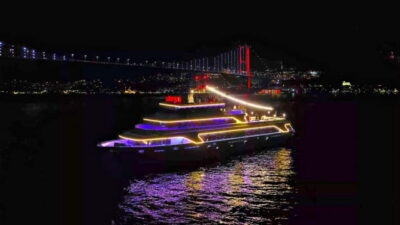
Bosphorus Dinner Cruise & Show with Private Table
Read our review →
Daytime or Sunset Sightseeing Cruise & Audio Guide
Read our review →
Bosphorus Dinner Cruise with Turkish Night Show
Read our review →
Best of Istanbul 1, 2 or 3-Day Private Guided Istanbul Tour
Read our review →
Basilica Cistern Fast-Track Entry and Audio Guide
Read our review →
Hagia Sophia Skip-the-Line Ticket & Museum Option
Read our review →
Hodjapasha Whirling Dervishes Show & Exhibition
Read our review →
Topkapi Palace & Harem Museum Ticket & Audio Guide
Read our review →Browse the lists this tour appears in