Reviewed · ISTANBUL TOURS
Glories of Turkey 12-Day From Istanbul
Turkey packs several civilizations into one trip, and this 12-day guided tour gives you a broad first look without asking you to arrange every hotel, transfer, ticket, and intercity ride yourself. You move from Istanbul’s Ottoman monuments to Gallipoli’s solemn battlefields, ancient Greek and Roman cities, Mediterranean resorts, and Cappadocia’s fairy chimneys.
I especially like the small maximum group of 20, since guides such as Tamer, Fatih Karci, and Omar have been praised for clear explanations, patience, and personal attention. I also like the mix of major sights and local stops, including a carpet village, pottery-making in Avanos, Behramkale village, and the Mevlana Museum in Konya.
The main consideration is the pace. Several days involve seven or eight hours of sightseeing and driving, and the published schedule has some unclear wording around Pamukkale, Laodicea, and Antalya. Confirm exactly what is included before paying, particularly meals and the Pamukkale visit.
Key points to know before booking
- A full sweep of Turkey: See Istanbul, Gallipoli, Troy, Ephesus, Pamukkale-area sites, Antalya, Konya, and Cappadocia in one organized trip.
- Small-group touring: The group can hold up to 20 people, though off-season departures may be much smaller.
- Strong guide potential: Tamer, Fatih Karci, Omar, and other named guides have received praise for history talks, timing, and help with group needs.
- Many costs are bundled: Hotels, entrance fees, road transport, airport transfers, breakfast, and the Cappadocia to Istanbul flight are listed as included.
- A demanding schedule: Most sightseeing days last seven or eight hours, with long road sections between regions.
- Check the fine print: Dinner is marked optional, and the itinerary wording for Pamukkale and the two Antalya-area days needs clarification.
Why this Turkey itinerary works for a first visit
I like the route because it gives you a useful sense of Turkey’s scale. You do not stay in one region and see only one side of the country. Instead, the trip links imperial Istanbul, the Dardanelles, the Aegean coast, ancient Lycia and Pamphylia, central Anatolia, and Cappadocia.
That variety is the real value. In less than two weeks, you can stand in an ancient theater, walk through a battlefield memorial, see Byzantine churches cut into volcanic rock, and watch a potter shape clay by hand. The tour is not built around long free periods, so you trade some independence for a large amount of organized sightseeing.
The group size matters here. A 20-person limit is more manageable than a large coach tour, especially at museums and archaeological sites. A few departures have been as small as two, five, eight, or 11 people, though you should not assume your departure will be that intimate.
Guides appear to be an important part of the experience. Tamer has been praised for friendly, flexible help, while Fatih Karci has been singled out for strong site explanations and group management. Omar has been credited with showing both Istanbul’s main monuments and less familiar stops. The driver also matters, since much of the trip is on the road.
A few more Istanbul half-days to weigh up
- Istanbul: Bosphorus Dinner Cruise & Show with Private Table
★ 4.8 · 44,561 reviews - Istanbul: Daytime or Sunset Sightseeing Cruise & Audio Guide
★ 4.8 · 14,430 reviews - Istanbul: Bosphorus Dinner Cruise with Turkish Night Show
★ 4.8 · 10,127 reviews
Istanbul begins with mosques, palaces, and two continents
Your first day is light by design. You receive an arrival transfer from Istanbul International Airport to your hotel, then have the rest of the day free. That gives you time to recover, walk near the hotel, or begin exploring before the formal sightseeing starts.
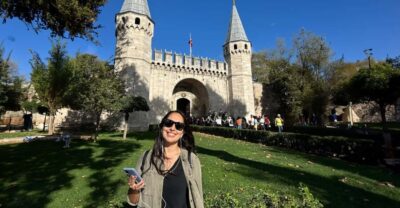
Day 2 brings a seven-hour guided visit to Sultanahmet. The Blue Mosque, Hagia Sophia, Topkapi Palace, Hagia Irene, the Harem, and the Hippodrome cover several layers of Istanbul in a single day. Topkapi’s Harem is especially worthwhile because it adds domestic and court life to the usual palace story.
The Hippodrome helps explain how Constantinople functioned as a public center, while the mosques and palace show how power shifted under the Ottoman Empire. Your guide can make the difference here. Without context, these can feel like a parade of grand buildings. With good commentary, you begin to understand why Istanbul mattered to both Europe and Asia.
An optional half-day Bosphorus cruise is offered in the afternoon. It is a good add-on if you want a view of the city from the water, but check the timing. One past complaint involved a shortened Bosphorus outing because another paid activity took priority. If the cruise is important to you, ask how much time is actually allocated.
Gallipoli brings a quieter, more emotional day
Day 3 crosses toward the Gallipoli Peninsula for an eight-hour visit to the World War I battlefields. Stops include ANZAC Cove, Lone Pine, Chunuk Bair, The Nek, Johnston’s Jolly, original trenches, tunnels, and memorials.
This is not a light sightseeing day. The terrain and memorials ask for a slower, more respectful mood. The value comes from seeing the physical ground connected with the campaign, rather than learning about it only from a book or museum.
The visit has particular meaning for people from Australia and New Zealand, but the guide’s explanation should also place the campaign in the wider story of the Ottoman Empire and the First World War. Bring practical walking shoes and water. The day is long, and the emotional weight can be as tiring as the walking.
Troy and Behramkale add myth, archaeology, and village life
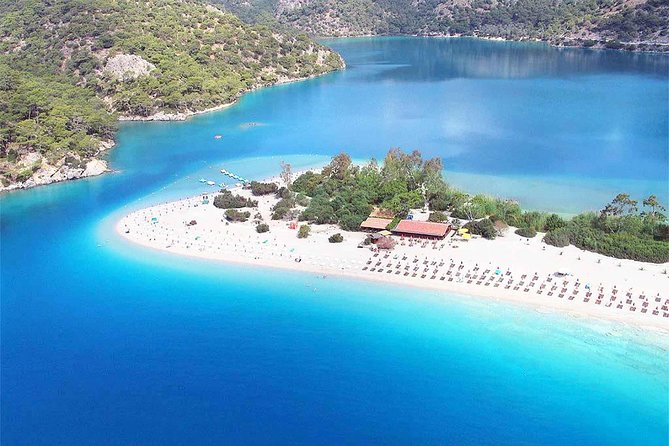
From Çanakkale, Day 4 heads to Troy, a UNESCO World Heritage Site. You visit the archaeological remains and the newer Troy Museum, then continue to Behramkale, an old village with stone houses and narrow streets, before traveling south to Kuşadası.
Troy is a site where archaeology and legend overlap. The ruins do not look like the cinematic version of the Trojan War, so a good guide is useful in separating the different settlement layers and explaining what can and cannot be linked to Homer’s story.
The Troy Museum helps fill in the gaps. It gives you artifacts and a clearer sense of the region, rather than leaving you to interpret scattered foundations on your own.
Behramkale changes the tone. You get time to walk, enjoy the scenery, and perhaps stop for Turkish tea or coffee at a local café. This village visit may be one of the more human parts of the itinerary because it is not only about monumental ruins. The drawback is another eight-hour day, followed by the transfer to Kuşadası.
Same base, a completely different sort of day:
- Best of Istanbul 1, 2 or 3-Day Private Guided Istanbul Tour
★ 5.0 · 8,922 reviews - Istanbul: Basilica Cistern Fast-Track Entry and Audio Guide
★ 4.6 · 7,521 reviews - Istanbul: Hagia Sophia Skip-the-Line Ticket & Museum Option
★ 3.7 · 4,958 reviews - Istanbul: Hodjapasha Whirling Dervishes Show & Exhibition
★ 4.4 · 4,790 reviews
Ephesus is the archaeological centerpiece
Day 5 is devoted to Ephesus, the Temple of Artemis site, and the Ephesus Archaeology Museum. Ephesus is one of Turkey’s most impressive ancient cities, with its theater, streets, public buildings, and monumental remains giving you a strong picture of Roman urban life.
I would allow yourself time to look beyond the famous photo spots. The theater and main streets are memorable, but details such as the layout of public spaces and surviving architectural fragments help explain how the city worked.
The Temple of Artemis visit is more about imagination than intact architecture. Only limited remains survive, but the site helps you understand why Ephesus was a major religious and commercial center.
The museum provides essential context and displays finds from the area. The day also includes a carpet village, where you see how carpets are made by hand and how materials, knotting, design, and labor affect value. This can be interesting when presented as a real craft tradition. It can also feel like a sales stop, so listen to the demonstration, ask questions, and do not feel pressured to buy.
The Pamukkale and Antalya section needs clarification
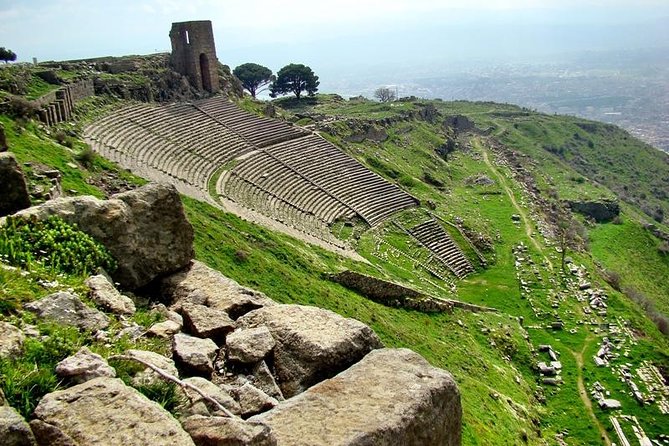
The itinerary’s Day 6 heading says Pamukkale, but the description focuses on Laodicea and the journey to Antalya, followed by a visit to the Antalya Necropol Museum. Day 7 again describes Laodicea and Antalya, this time mentioning the Antalya Archaeological Museum.
That wording is a genuine planning issue. Pamukkale is named in the tour overview, but the detailed Day 6 description does not clearly say that you visit the famous white travertine terraces or the ancient site of Hierapolis. Before booking, ask Fez Travel to confirm:
- If the Pamukkale travertines are included
- If Hierapolis is included
- Which museum you visit on each day
- Where you sleep on Days 6 and 7
- Whether both Laodicea and the Antalya museums are part of the final route
Laodicea itself is an important ancient city in the Lycus River Valley. Its remains offer a different experience from Ephesus, with more open ruins and fewer fully restored structures. The Antalya Necropol Museum focuses on burial practices and artifacts, while the Antalya Archaeological Museum covers finds from several ancient periods.
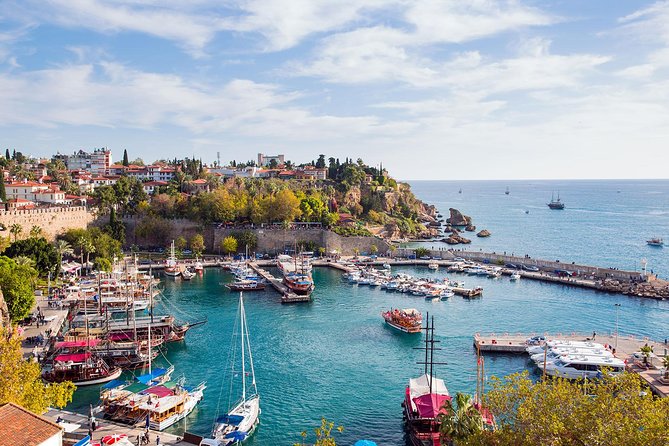
Antalya provides a change of pace after so many ruins. It is a resort city on the Mediterranean, but this tour appears to use it mainly as a base for nearby archaeological sites rather than as a beach holiday. You should not expect a long stretch of free seaside time unless your hotel schedule allows it.
Perge, Aspendos, and Side show Roman Turkey
Day 8 is another full sightseeing day, covering Perge, Aspendos, and Side. Perge gives you broad Roman remains, while Aspendos is famous for its second-century theater, which seated about 15,000 people.
Aspendos is the clear architectural highlight. Its theater is unusually well preserved, and its scale helps you picture the importance of public performance in Roman cities. Perge is valuable for the overall site plan and the chance to walk through a major ancient settlement.
Side adds a coastal setting and a different visual mood. The Temple of Apollo and ancient ruins sit near a modern resort town, creating the kind of contrast that makes Turkey so interesting. You see archaeology not in isolation, but alongside present-day life.
Again, the schedule is full. If you prefer lingering at one site, sketching, taking photos, or reading every museum panel, this route may feel hurried. If your goal is to see the main places efficiently, the structure works better.
Konya connects caravan routes and Sufi tradition
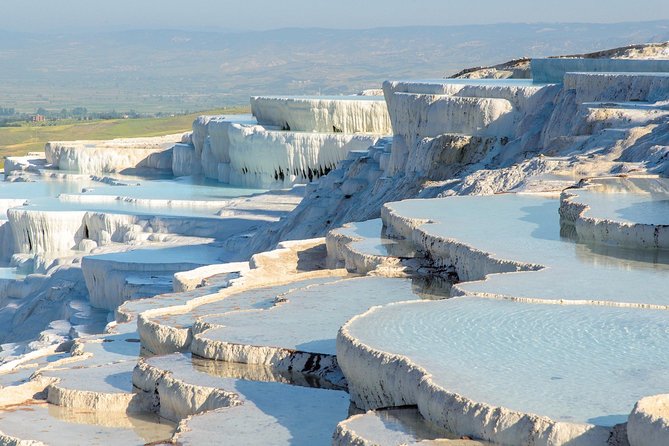
Day 9 travels through central Turkey toward Cappadocia, stopping at the Sultanhani Caravansary and the Mevlana Museum in Konya. The road portion is substantial, but the stops break up the journey and add subjects that are not covered by ancient ruins alone.
A caravansary shows how merchants and their goods once moved across Anatolia. It is a useful reminder that Turkey’s story includes trade routes, travel infrastructure, and cultural exchange, not just famous temples and theaters.
The Mevlana Museum introduces the world associated with Jalal al-Din Rumi and the whirling dervish tradition. The stop is especially valuable if your guide explains the ideas behind the tradition rather than treating it as a colorful photo opportunity.
Cappadocia delivers the trip’s most unusual scenery
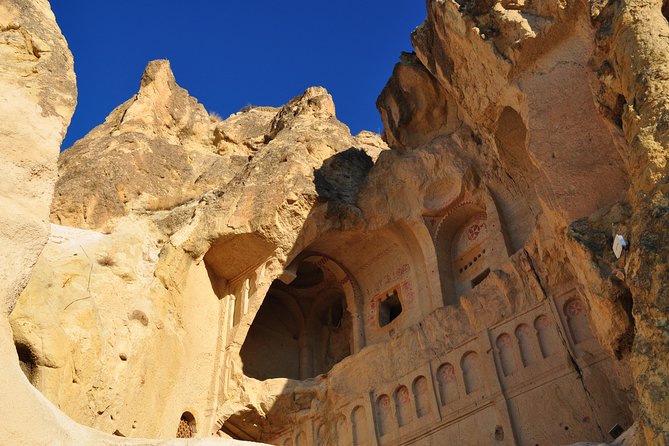
Days 10 and 11 focus on Cappadocia. The route includes Pigeon Valley, Red Valley, Çavuşin village, Avanos, the Göreme Valley Open Air Museum, fairy chimneys, and an underground city.
Cappadocia is visually unlike the rest of the tour. Wind and water shaped soft volcanic rock into cones, towers, and caves, while people later carved homes, churches, storage rooms, and underground spaces into the stone. The result feels almost unreal, but the appeal is not only visual. You are seeing how people adapted to a difficult environment.
Çavuşin gives you a village perspective, while Avanos adds a hands-on craft element. The pottery lesson shows how clay is shaped by hand and connects the region’s geology with its working traditions.
The Göreme Valley Open Air Museum is essential. Rock-cut churches and painted interiors make the area important for early Christian art and worship. The underground city is another strong stop, though visitors who dislike confined spaces should ask the guide what sections are involved before entering.
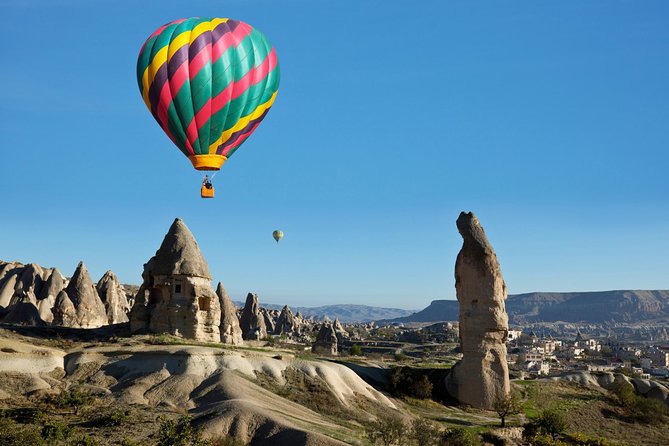
The itinerary does not list a hot-air balloon flight as included. Ballooning is frequently offered as an optional Cappadocia activity, but this tour information only confirms optional activities in general. Ask about current availability, price, pickup time, and weather rules if you want to add it.
On Day 11, you head to the airport for an evening flight to Istanbul. That flight is included, which saves a long return journey by road and makes the final day easier.
Hotels, meals, and transportation
The package includes accommodation, a professional guide, air-conditioned nonsmoking vehicle, entrance fees, airport transfers in Istanbul, and the domestic Cappadocia to Istanbul flight. Breakfast is listed as included, though the booking details also contain an optional breakfast note. Dinner is marked optional on six days, so do not assume evening meals are covered.
The transport plan is practical but not luxurious. You spend many hours in a vehicle, and the air conditioning and small group limit should help. Still, this is an active touring holiday, not a slow village-to-village trip.
Accommodation is described as carefully selected boutique and 4-star hotels. Standards may vary by city. One specific complaint concerned the Nidya hotel in Istanbul, including an unpleasant smell, so I would treat the hotel category as a general guide rather than a guarantee of equal quality everywhere.
Food also appears to vary. Much of the appeal of this route is trying regional Turkish dishes, but one account described restaurant choices as expensive and disappointing. Ask whether meals are fixed menus, optional group dinners, or individually paid stops. That lets you budget and decide when to eat independently.
Is $2,904.10 a fair price?
At $2,904.10 per person, the advertised cost works out to about $242 per day. That is not a shoestring trip, but it covers many expenses that quickly add up in Turkey: 11 nights of accommodation, a guide, road transport, entrance fees, arrival and departure transfers, breakfast, and the domestic flight.
The value is strongest if you want a guided introduction and would otherwise have to arrange several long transfers. Entrance fees alone at major sites can be significant, and the route would be complicated to build independently in only 12 days.
The price is less compelling if you want free time, boutique hotels with consistent standards, or control over every restaurant and stop. Optional activities, dinners, tips, and compulsory travel insurance are extra. Get a written answer about Pamukkale and the meal notes before deciding.
Who should book this tour?
I would recommend it to a first-time visitor who wants Turkey’s major historical areas in one trip and prefers a guide to handle the route. It also suits solo travelers, couples, and friends who like meeting a small group and having airport transfers arranged.
It is a good match if you enjoy ancient sites, museums, long sightseeing days, and changing scenery. The guides are central to the experience, and the strongest named guides, including Tamer, Fatih Karci, and Omar, appear to bring warmth and useful historical detail.
I would hesitate if you want a relaxed vacation, extensive beach time in Antalya, or several free afternoons. The itinerary moves quickly, and the unclear Pamukkale wording should be resolved first.
Should you book Glories of Turkey?
Book it if your priority is coverage, convenience, and a guided introduction to Turkey. Istanbul, Gallipoli, Troy, Ephesus, the Mediterranean ruins, Konya, and Cappadocia make a powerful route, and the included transport and entry fees offer solid value at this price.
Before committing, confirm the exact Pamukkale plan, hotel names, breakfast and dinner arrangements, and any optional activities. If those details suit you, this tour can give you a well-supported first visit with memorable guides and a strong range of places. If you prefer slow travel, build your own itinerary and spend more time in fewer regions.
FAQ
How long is the Glories of Turkey tour?
The tour lasts approximately 12 days, beginning with pickup at Istanbul International Airport and ending with an airport transfer in Istanbul after breakfast on Day 12.
What destinations are included?
The route includes Istanbul, Gallipoli, Troy, Behramkale, Kuşadası, Ephesus, Laodicea, Antalya, Perge, Aspendos, Side, Konya, and Cappadocia.
Is the Cappadocia to Istanbul flight included?
Yes. A domestic flight from Cappadocia to Istanbul is included. Passport copies are requested after booking for this flight.
What is included in the tour price?
Accommodation, a professional guide, hotel pickup and drop-off, entrance fees, transport in an air-conditioned nonsmoking vehicle, Istanbul arrival and departure transfers, breakfast, and the domestic flight are listed as included.
Are dinners included?
Dinner is marked optional on six days, so you should confirm the exact meal plan before booking. Suggested optional activities, tips, and compulsory travel insurance are not included.
How large is the tour group?
The tour has a maximum of 20 participants. Group sizes can be smaller, especially during off-peak periods, but the exact number depends on the departure.
Just added around Istanbul
- istanbul airport transfer★ 3.5 · 43 reviews
- Istanbul Private Guiding Service★ 5.0 · 68 reviews
- Flying Dress Photography on an Iconic Rooftop in Istanbul★ 5.0 · 87 reviews
- Best Istanbul tour with private guide by skipping ticket line★ 5.0 · 103 reviews
- Food Tour in Istanbul with Local Guide★ 5.0 · 37 reviews
- istanbul old city private tour★ 5.0 · 19 reviews
- Istanbul Private Tour (Licensed Guide)★ 5.0 · 17 reviews
- Istanbul Airport (IST) To Hotels Transfer★ 5.0 · 80 reviews
Istanbul Tours, compared.
Bosphorus Dinner Cruise & Show with Private Table
Read our review →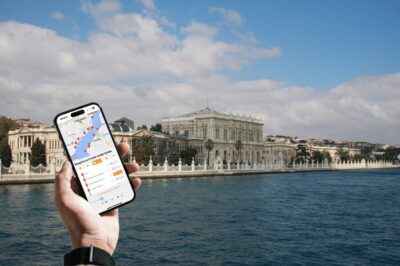
Daytime or Sunset Sightseeing Cruise & Audio Guide
Read our review →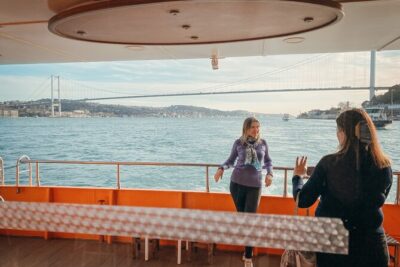
Bosphorus Dinner Cruise with Turkish Night Show
Read our review →
Best of Istanbul 1, 2 or 3-Day Private Guided Istanbul Tour
Read our review →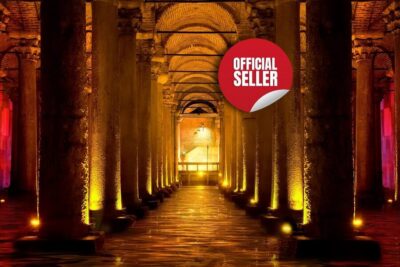
Basilica Cistern Fast-Track Entry and Audio Guide
Read our review →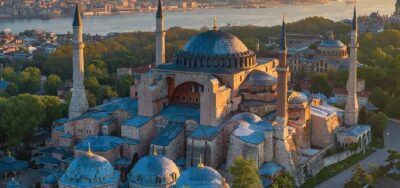
Hagia Sophia Skip-the-Line Ticket & Museum Option
Read our review →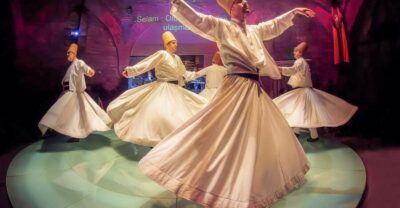
Hodjapasha Whirling Dervishes Show & Exhibition
Read our review →