
Reviewed · CAPPADOCIA TOURS
Göreme: The Original Dervish Ritual in Konya or Cappadocia
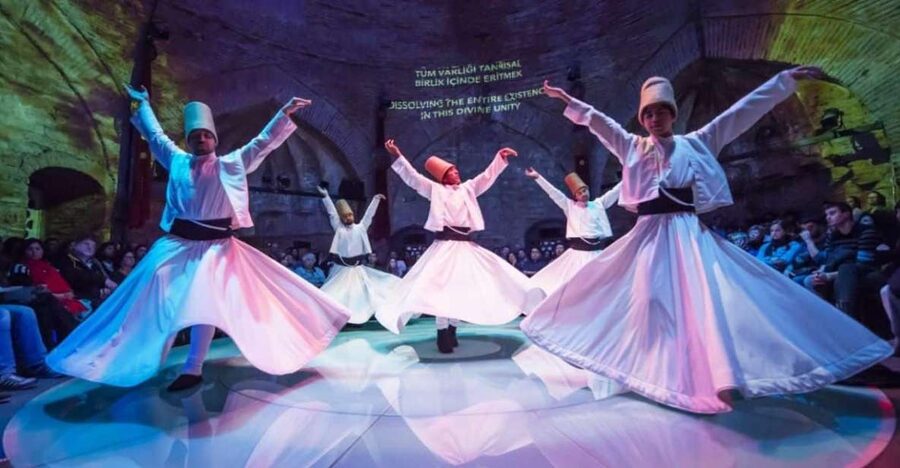
The most memorable part of this experience is not simply watching people spin. It is sitting quietly in a centuries-old caravanserai or a Mevlana center while real dervishes perform a religious ritual with reed music, drums, prayer, and controlled movement. In Cappadocia, the setting at Saruhan Kervansaray gives the ceremony a solemn, almost dreamlike feel.
I like two things here. First, your hotel pickup and return remove the hassle of finding an evening venue in an unfamiliar area. Second, the ceremony is presented as a serious tradition rather than a restaurant-floor performance. The short booklet, sherbet, and time for photographs after the ritual help you understand and remember what you have seen.
The main drawback is that the experience can be less well explained than you might hope. The driver may speak Turkish or Russian rather than English, and the ceremony itself is quiet and formal, not an entertainment show for children or restless teenagers. Cameras and recording devices are not allowed inside during the ritual, so you must be ready to watch rather than document it.
Key points to know before booking
- Saruhan Kervansaray is the Cappadocia setting: You watch the ceremony inside a 12th-century caravanserai, with a guided visit lasting about 1.5 hours.
- Konya offers the major December program: Choose the Şeb-i Arus ceremony at the Mevlana Art Center between December 7 and 17, 2024.
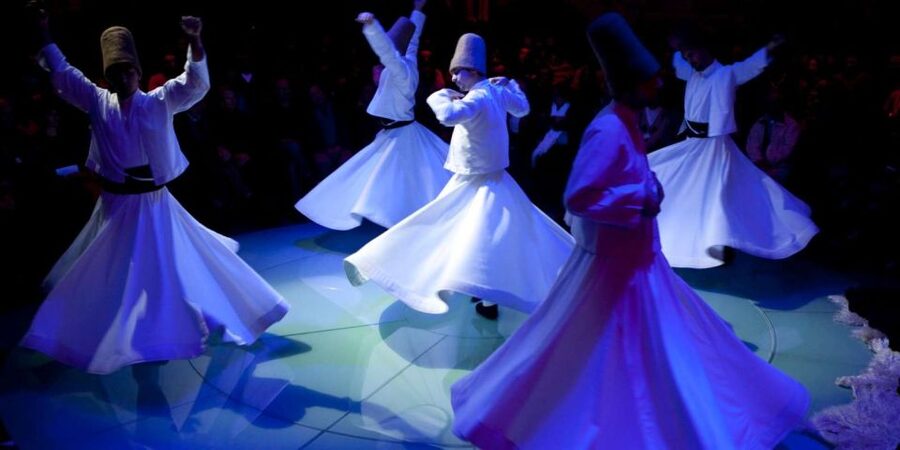
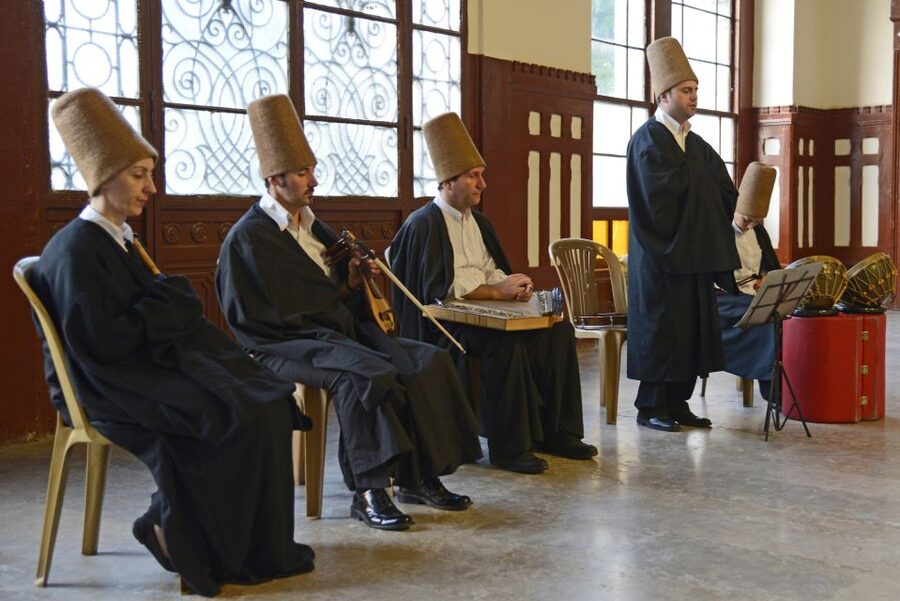
- The ritual follows a clear progression: Reed music and drums lead into prayer, followed by the dervishes’ measured whirling.
- Hotel transport is part of the value: Pickup and drop-off are available from Göreme, Uçhisar, Ortahisar, Çavuşin, and Konya.
- Photography rules are strict: No cameras, video, photography, or audio recording during the ceremony. A final dance may allow photos afterward.
- The $50 price covers the essentials: Transportation and the entrance ticket are included, but food and drinks are not.
Why the ceremony feels different from a staged dance
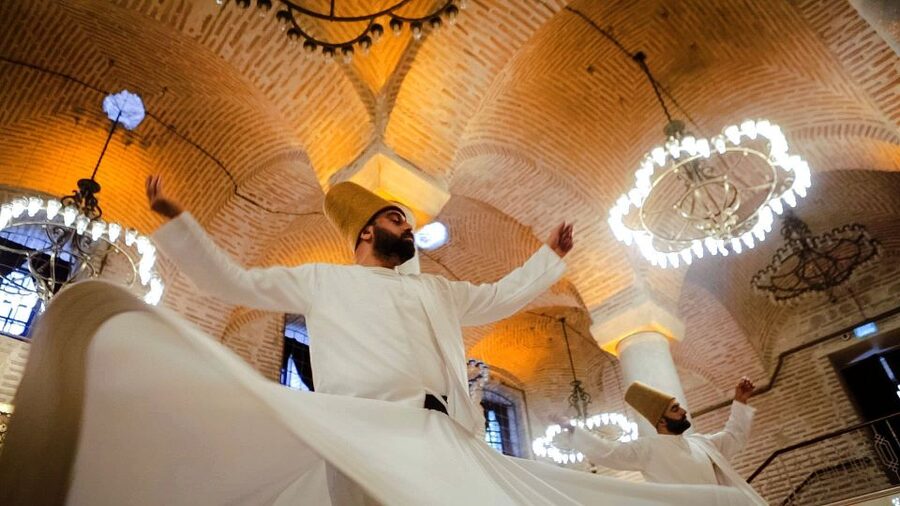
A dervish ceremony can be easy to misunderstand if you see it only as a display of spinning. The whirling is one part of a larger ritual, and the sequence matters. The evening begins with reed music and drumbeats, then moves through prayer before the whirling starts.
That slow beginning is important. You are given time to settle into the room and watch the dervishes prepare. The ceremony is not rushed toward its most dramatic movement, and that makes the final turning feel more meaningful.
I especially like that the Cappadocia version takes place at Saruhan Kervansaray rather than in a modern theater or restaurant. The old stone building changes the mood. You are not just looking at performers under bright lights. You are sitting in a historic stopping place built for people crossing Central Anatolia centuries ago.
The atmosphere is helped by the rules. No photography or video means the room is quieter and less distracted. You will not be checking your phone while the ceremony unfolds. That can feel restrictive at first, but it also protects the calm of the ritual.
The experience is best approached with patience. The dervishes do not perform for applause in the usual sense, and the religious purpose comes before entertainment. If you want a lively folk show, this may feel too solemn. If you want to see a ceremonial tradition in a proper setting, it has far more to offer.
More Whirling Dervish Shows in Cappadocia
- Cappadocia Dervish Ritual with live music (With 2 options)
★ 4.4 · 43 reviews - Whirling Dervish Show
★ 4.8 · 21 reviews - Cappadocia: the Original Whirling Dervish Ceremony
★ 4.8 · 50 reviews
Saruhan Kervansaray from Cappadocia
The Cappadocia option begins with pickup from your hotel in Göreme, Uçhisar, Ortahisar, or Çavuşin. Pickup is also available in Konya, but the Cappadocia route is the natural choice if you are staying among the region’s cave towns.
You should wait in your hotel lobby about five minutes before the stated pickup time. The activity information gives several possible durations, from two to six hours, so check the starting time and expected schedule when booking. From Cappadocia, pickup is planned at least four hours before the Konya ceremony if you choose that longer program.
The itinerary includes a short van stop of about 20 minutes before the visit to Saruhan Kervansaray. The stop gives you a break during the drive, though it is not presented as a major sightseeing visit. Food and drinks are not included, so plan ahead if you need something during the outing.
Saruhan itself is the main visual reward. The 12th-century caravanserai provides a stone setting that feels well suited to a ceremony centered on reflection and movement. You receive a guided visit lasting about 1.5 hours, though the exact balance between explanation, ceremony, and free time can depend on the program.
Inside, expect the music and prayer to come first. The reed instrument creates a thin, haunting sound, while the drum gives the opening a steady pulse. The dervishes then begin the whirling section, with white garments and repeated turns creating a calm rhythm rather than a fast spectacle.
The ceremony is not physically demanding for you, but the setting may have limitations. The activity is not suitable for people with mobility impairments, and the information also warns against booking if you have claustrophobia, epilepsy, or motion sickness. Babies under one year are not considered suitable for the experience.
The closing moment at Saruhan
One useful detail is what happens after the formal ceremony. You may have a short chance to take photographs once the main ritual has ended. A final dance may also permit photos and video, but the restriction during the ceremony remains firm.
Do not assume you can take pictures from your seat. The safest plan is to keep your camera packed away until staff indicate that photography is allowed. This protects the ceremony and prevents an awkward interruption.
Afterward, sherbet is served, and you can visit the small shop on site. These details are modest, but they give the evening a clear ending. You have time to shift from silent observation back into ordinary sightseeing.
The small booklet is another practical touch. It offers basic help with understanding what you are watching, which matters because the movements and prayers are not explained continuously during the ceremony. If your driver does not speak English, the booklet may be especially useful.
The quality of the explanation can vary. The activity lists English, Russian, and Turkish for the driver or guide, but that does not guarantee that every person accompanying you will give a full English explanation. One reported problem was difficulty understanding the venue because the driver did not speak English. I would treat the transport as the dependable part of the service and the interpretation as less certain.
Choosing Konya and the Şeb-i Arus program
The Konya option is different in scale and timing. Şeb-i Arus is the annual commemoration connected with Mevlana Celaleddin Rumi’s death anniversary. The 751st Reunion Anniversary Commemoration Ceremonies were scheduled from December 7 through 17, 2024.
This is the choice for you if the connection with Mevlana and Konya matters more than convenience. You can join from Cappadocia or from Konya itself. Pickup from a Cappadocia hotel is planned at least four hours before the ceremony, while pickup in Konya is about 1.5 hours before it.
That difference tells you something important about the route. From Cappadocia, this is not a quick evening outing. You should expect a long transfer and a much longer overall commitment, even though the activity page gives a broad duration range of two to six hours. From a Konya hotel, the schedule is more manageable.
The service includes the journey to the Mevlana Art Center, accompaniment during the trip, entrance to the ceremony, and a return to your hotel in Konya or Cappadocia. If you choose Cappadocia pickup, the return drive is a serious part of the day or evening. I would not book it on a night when you need an early start the next morning.
The exact details of the Konya program can vary because Şeb-i Arus is a special annual event rather than the regular Saruhan performance. Check the date, starting time, pickup point, and return arrangement before paying. The supplied information specifically describes the 2024 ceremonies, so do not assume the same dates or program apply to a later year.
More dervish ceremonies in Goreme:
- Istanbul: Whirling Dervishes Ceremony and Mevlevi Sema
★ 4.3 · 1,694 reviews - Istanbul: Whirling Dervish Ceremony next to Hagia Sophia
★ 4.5 · 906 reviews - Istanbul Traditional Turkish Dinner and Dervish Experience
★ 5.0 · 490 reviews - Whirling Dervish Ceremony: Go on a Spiritual Journey
★ 4.0 · 177 reviews
What the $50 price really covers
At $50 per person, the price is reasonable if you are staying in Cappadocia and want an organized evening with transport. You are paying for hotel pickup, the return ride, and the entrance ticket. Those basics matter in a rural or unfamiliar setting, especially when the ceremony ends after dark.
The value is stronger for a small group. A particularly smooth outing can involve only two people in a minivan, which gives you a more personal transfer than a large coach. That small-vehicle arrangement is not guaranteed, but it shows the kind of service that may be provided.
The price does not include food or drinks. The sherbet served after the ceremony is part of the on-site experience, but you should not treat it as a meal. Bring water or eat before pickup if your schedule leaves little time for a stop.
Konya is harder to judge on price because the long transfer from Cappadocia takes up much of the day. If you already plan to visit Konya, booking the ceremony with pickup there makes more sense. If you are staying in Cappadocia and mainly want to see a dervish ritual, Saruhan is the simpler and better-value option.
Free cancellation up to 24 hours before the activity and reserve-now, pay-later booking make it easier to fit the ceremony around weather or changing plans. Still, check availability carefully because starting times differ by date and by pickup location.
Transport, guides, and the small details that matter
Pickup locations include Göreme, Uçhisar, Ortahisar, Çavuşin, and Konya. Drop-off is available at the same five choices. Hotel pickup is optional in the booking details, so make sure your selected location is clear and wait in the lobby before the stated time.
Drivers may speak English, Russian, or Turkish. Several parts of the service can work well without much conversation, since the main event is a visual and musical ritual. Still, you may want to ask in advance whether an English-speaking guide will accompany you if cultural explanation is important.
The transport service has received particularly strong praise for punctuality and careful driving. A friendly driver who arrives on time makes a real difference when the ceremony has a fixed start. One useful service detail is that the driver may wait or make sure you are reunited with the vehicle afterward, rather than leaving you to search through a dark parking area.
At the same time, do not confuse a friendly driver with a specialist cultural guide. The activity is described as including a specialist guide, but the actual language ability can vary. If you want a detailed explanation of Mevlana, Sufi practice, and the meaning of each stage, confirm what is included before booking.
The ceremony itself is not suitable for everyone. It is quiet, formal, and religious. Young children and teenagers may find it difficult to sit through, especially if they expect a colorful stage show. People sensitive to enclosed spaces, motion, flashing or repetitive visual movement, or long transfers should read the suitability notes carefully.
Who will enjoy this most
I would recommend the Cappadocia ceremony to you if you want one cultural evening that feels tied to the region rather than added to a restaurant program. Saruhan gives the ritual a strong sense of place, and the pickup service keeps the outing straightforward.
It also suits photographers in a slightly unusual way. You cannot photograph the ceremony itself, which may disappoint you, but you may get a short period for photos afterward and possibly during a permitted final dance. Bring a camera, but keep it stored until permission is given.
The Konya option suits you if Mevlana’s story is central to your visit or if you specifically want the Şeb-i Arus commemoration. It is less suitable as a casual add-on from Cappadocia because of the early pickup and long return journey.
I would skip this experience if you want a lively evening show with constant narration, audience participation, or freedom to take photographs. I would also think twice if you have mobility limits or strong motion sickness. The old caravanserai and the transfer may not be comfortable for you.
Should you book the dervish ceremony?
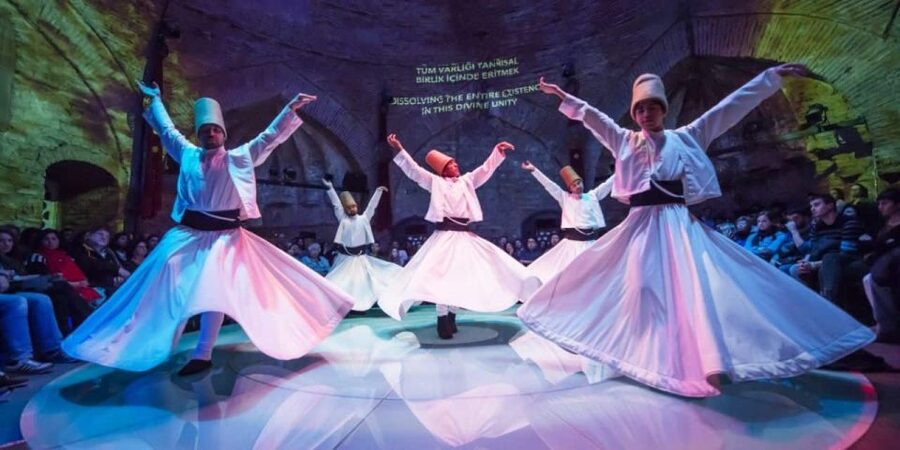
Book the Saruhan option if you value authentic setting, quiet ritual, and easy hotel transport more than a polished stage production. The old caravanserai, reed music, prayer, whirling, sherbet, and short photo period create a thoughtful evening with a clear cultural focus.
Choose Konya for the December Şeb-i Arus program if the commemoration itself is your reason for going. From Cappadocia, the journey is long, so I would reserve it only when you accept the travel time and have no tight plans afterward.
The biggest question is not the $50 price. It is whether you want to watch carefully and respectfully without a camera in hand. If the answer is yes, this is a worthwhile way to see the dervish tradition in a setting that gives the ceremony weight. If you need constant explanation or action, spend your evening elsewhere.
FAQ
Where does the Cappadocia dervish ceremony take place?
The Cappadocia ceremony takes place at Saruhan Kervansaray, a 12th-century caravanserai in Central Anatolia.
Can I attend the ceremony in Konya?
Yes. You can choose the Mevlana Art Center in Konya, including the Şeb-i Arus commemoration program held from December 7 to 17, 2024.
How much does the experience cost?
The listed price is $50 per person.
What does the price include?
Hotel pickup and drop-off, along with the entrance ticket for the dervish ceremony, are included.
Are food and drinks included?
No. Food and drinks are not included. Sherbet may be served after the ceremony at Saruhan Kervansaray.
Can I take photographs or record the ceremony?
No. Cameras, professional cameras, video recording, photography inside, and audio recording are not allowed during the ceremony. A final dance after the ceremony may allow photographs and video.
Which languages are available?
The listed driver languages are English, Russian, and Turkish. The level of English explanation may vary, so confirm this if detailed guiding is important to you.
How early is pickup from Cappadocia for the Konya ceremony?
For the Konya ceremony, pickup from Cappadocia is scheduled at least four hours before the ceremony. Pickup in Konya is approximately 1.5 hours before it.
Just added around Goreme
- Cappadocia: Scenic Valley Tour in a Jeep★ 4.9 · 206 reviews
- LET’S GO HİKİNG TO DİSCOVER CAPPADOCİA..★ 5.0 · 70 reviews
- Horse Riding in Cappadocia★ 4.8 · 48 reviews
- Goreme: Sunrise Hot Air Balloon Flight over Cappadocia★ 4.8 · 77 reviews
- Goreme: Whirling Dervishes Show in Historical Cave★ 4.4 · 169 reviews
- Göreme: Cappadocia Hot Air Balloon Ride★ 4.7 · 24 reviews
- Göreme: Cappadocia Green Tour with Underground & Lunch★ 4.7 · 60 reviews
- Göreme: Cappadocia Horseback Ride at Sunset or Sunrise★ 4.7 · 200 reviews
Cappadocia Tours, compared.
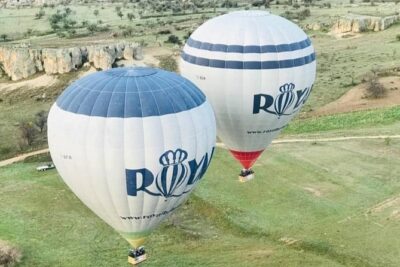
Cappadocia Hot Air Balloon Ride / Royal Balloon
Read our review →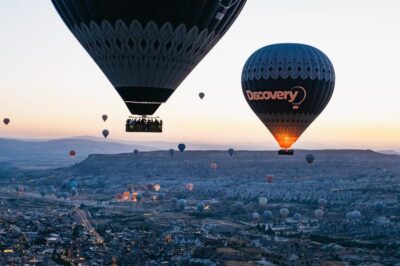
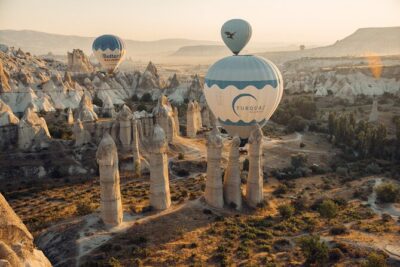
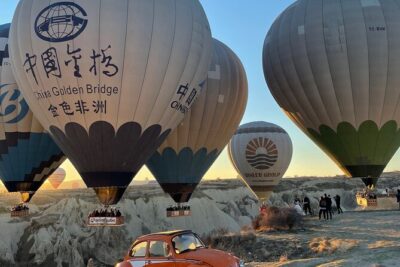
Cappadocia Hot Air Balloon Ride/ Turquaz Balloons
Read our review →
Cappadocia Sunrise Hot Air Balloon Flight / Discovery Balloons
Read our review →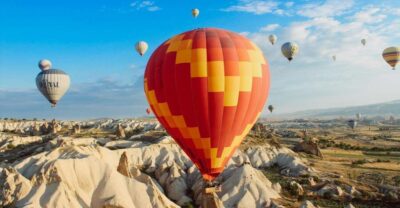
Goreme Hot Air Balloon Flight Over Fairychimneys
Read our review →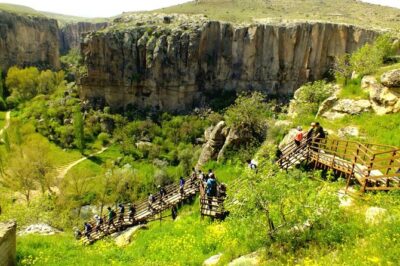
Green (South) Tour Cappadocia (small group) with lunch and ticket
Read our review →
Cappadocia Hot Air Balloons or Kelebek Flight
Read our review →Browse the lists this tour appears in