
Reviewed · ISTANBUL TOURS
Imperial Istanbul Half-Day Tour: Hagia Sophia and Grand Bazaar
Istanbul’s imperial center packs centuries of change into a few walkable blocks. This tour links Hagia Sophia, the Basilica Cistern, and the Grand Bazaar in one afternoon, giving you a quick look at the city’s Roman, Byzantine, Latin, and Ottoman eras.
I like two things here: skip-the-line access can save a great deal of time at Hagia Sophia and the cistern, and hotel pickup in a small air-conditioned minivan makes the outing easy to manage. Guides such as Uly, Katerina, and Gulay have earned especially warm praise for clear explanations, good pacing, and practical help around the city.
The main caution is the carpet-shop stop. It has been presented as a weaving demonstration but can turn into a long sales pitch, sometimes taking close to an hour. That can leave too little time for the Grand Bazaar and make a costly tour feel less useful.
Key points to know before booking
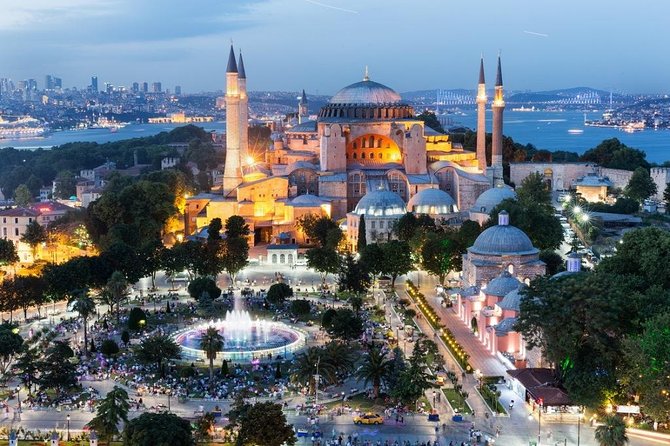
- Three major sights in one afternoon: Hagia Sophia, an ancient underground cistern, and the Grand Bazaar form a strong first look at Sultanahmet.
- Skip-the-line access matters: Long queues have been reported at Hagia Sophia and the Basilica Cistern, so a guide with prearranged tickets can save valuable sightseeing time.
- The guide makes or breaks the experience: Some guides provide excellent history and city tips, while others give only short introductions and leave you to explore alone.
- Expect a possible carpet presentation: Ask at the start if it is included, optional, or replaceable with more time at the main sights.
- The Grand Bazaar is not fully guided: You may be led to a gate or a few shops, then left to find your own way through the maze.
- Check the day carefully: Hagia Sophia is replaced by Chora Museum on Mondays, and the Grand Bazaar is closed on Sundays and religious holidays.
What this four-hour Istanbul tour is really designed to do
This is a sightseeing sampler, not a slow museum tour. In roughly four hours, you move through the core of old Istanbul and see places that explain why this city mattered for so long.
The tour begins around 1 p.m. with pickup from a central Istanbul hotel or a meeting point arranged in the Sultanahmet area. The published meeting information names the Four Seasons Hotel Istanbul at Sultanahmet, but pickup details say your guide will contact you before the tour and arrange the exact meeting place.
That afternoon start works well if you want a relaxed morning or have already spent time at Topkapi Palace, the Blue Mosque, or the Hippodrome. It also means you should eat beforehand. Food and drinks are not included, and the schedule may not leave room for a proper meal.
Transport is by air-conditioned minivan. The group can reach a maximum of 14 people, though some departures may be much smaller. A small group helps at crowded sites, but the lack of audio equipment is important. Several people found the guide hard to hear when standing at the back, so stay close during explanations.
The historical frame is useful. Istanbul served as the capital of four empires: Rome from 330 to 395, Byzantium from 395 to 1204 and again from 1261 to 1453, the Latin Empire from 1204 to 1261, and the Ottoman Empire from 1453 to 1922. Your guide may explain how the city’s position between Europe and the Middle East made it a prize along major trade routes.
That background gives the stops a clear order. Hagia Sophia shows the city’s religious and imperial shifts. The cistern reveals the engineering beneath the streets. The Grand Bazaar shows how trade and shopping remained part of Istanbul’s daily life.
More Hagia Sophia visits:
- Istanbul: Hagia Sophia Skip-the-Line Ticket & Museum Option
★ 3.7 · 4,958 reviews - Istanbul: Blue Mosque & Hagia Sophia Guided Tour w/ Tickets
★ 4.8 · 3,600 reviews - Istanbul: Hagia Sophia Skip-the-Line Ticket and Audio Guide
★ 4.3 · 2,246 reviews
Hagia Sophia: the essential first stop
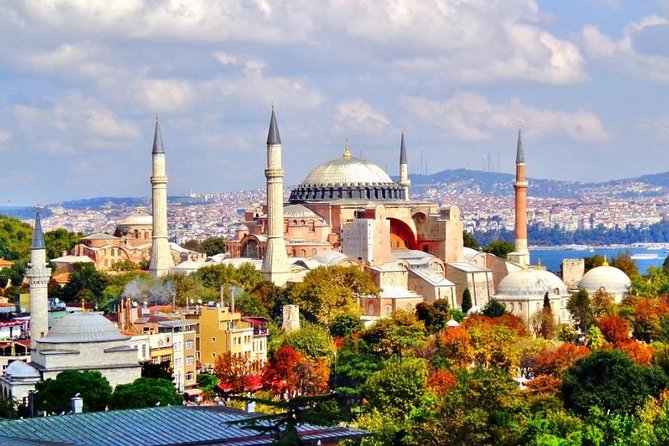
Hagia Sophia is the strongest reason to consider this tour. Built in the sixth century under Roman Emperor Justinian, it began as a Greek Orthodox church and became the seat of the Patriarchate of Constantinople.
For centuries, its enormous dome made it one of the largest Christian basilicas in the world. After the Ottoman conquest, it became an imperial mosque. The tour description presents it as a museum with Byzantine mosaics, while the current site may operate under different access rules and arrangements. Check the latest conditions before you go.
The building’s appeal is not only its size. It carries visible layers of Christian and Islamic use, making it one of the clearest places in Istanbul to see how power changed hands. Your guide can point out the mosaics, explain the original church plan, and connect the structure to the Ottoman conversion.
The practical value of a guided visit is access. Long lines have been reported outside Hagia Sophia, and several people found the ability to go straight in worth the booking cost. If you have only one afternoon in Sultanahmet, avoiding a long wait can protect a large part of your schedule.
The quality of the explanation varies. Some guides provide a useful introduction, answer questions, and allow time for photographs. Others give a quick speech near the entrance, then send the group through on its own. At a site this important, that difference is substantial.
Stay close to the guide, especially if the group is large. There are no personal audio headsets listed, and one quiet guide can be difficult to follow inside a busy building. If you want detailed architectural or religious interpretation, ask direct questions early rather than assuming the guide will lead you through every feature.
The Basilica Cistern beneath Sultanahmet
A few steps from Hagia Sophia, the tour heads underground to the Basilica Cistern, or possibly the Nakkas Cistern. The Basilica Cistern was built in the sixth century during Justinian’s reign as a water filtration and storage system for the Great Palace of Constantinople.
This is a useful change of mood after Hagia Sophia. Instead of a soaring dome and decorated interior, you move into a broad underground space supported by rows of columns. Its purpose was practical, yet the scale gives it a grand imperial feel.
The cistern is the most consistently admired part of the route along with Hagia Sophia. It offers a clear reminder that an ancient capital depended on hidden infrastructure as much as on palaces and churches.
Allow about an hour in the planned schedule, though the actual time can be shorter. Some departures have spent only 15 to 20 minutes here, while a well-paced visit can give you time to look at the columns and hear how the water system supported the palace.
The guide’s role matters here, too. Urban legends connected with the cistern can be entertaining, but you should also expect an explanation of its actual purpose and place in Byzantine Istanbul. Ask about the water system, the Great Palace, and why a city needed so many underground reservoirs.
The tour may substitute Nakkas Cistern for the Basilica Cistern. That is not necessarily a problem, but it does change the experience. If the Basilica Cistern is a priority, confirm which site is planned before booking.
A walk through the Sultanahmet district

The route also includes walking through Sultanahmet, the old imperial district. This is where the tour’s short transfers become useful: Hagia Sophia and the cistern are close together, and the neighborhood itself helps connect the sights.
Do not expect a full walking tour of every monument. The supplied plan specifically mentions the Hippodrome, and one particularly useful guide pointed it out when the group had trouble finding it independently. Ask about the Hippodrome if it is not covered during the walk.
Comfortable shoes will help. The day combines minivan rides, standing inside major monuments, and walking through crowded market lanes. Children aged four and under are not recommended, and anyone under 18 must be with an adult.
More market mornings in Istanbul:
- Istanbul Grand Bazaar: From Rooftops to the Secret Passages
★ 4.8 · 337 reviews - Istanbul: Hagia Sophia, Blue Mosque and Grand Bazaar Tour
★ 4.5 · 222 reviews - Small-Group Bosphorus Cruise and Istanbul’s Egyptian Bazaar
★ 3.5 · 208 reviews - Istanbul: Hagia Sophia, Blue Mosque, Cistern & Bazaar Tour
★ 4.9 · 189 reviews
The Grand Bazaar and the limits of guided shopping
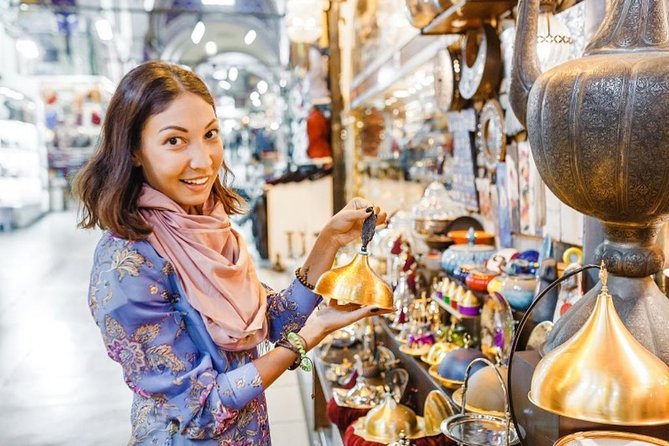
The Grand Bazaar is one of Istanbul’s famous shopping districts, with more than 3,000 shops spread across 61 covered streets. Its Ottoman origins date to the fifteenth century, when it grew as a center for jewelry, pottery, spices, leather goods, carpets, and other trade.
The bazaar can be a memorable final stop, but it needs realistic expectations. You may get a brief orientation, be shown toward a few shops, or be released at one of the many gates. Some guides help groups find their way through; others provide little direction once inside.
The market is a place for browsing, not a guaranteed bargain. If you want a souvenir, compare prices, ask about materials, and take your time. Haggling may be part of the process, but you should never feel obliged to buy simply because a guide introduced you to a shop.
Keep your belongings secure. The narrow passages, crowds, and constant sales activity can make it easy to lose track of a phone or wallet. If you want a longer market visit, ask whether you can remain there after the formal tour ends and make your own way back.
That last point may be important. Some people have chosen to stay in the bazaar rather than return with the group, while others found the official bazaar time too short because of the carpet presentation. The tour includes hotel drop-off, but remaining in the market may mean arranging your own return.
The carpet demonstration problem
The carpet stop is the biggest weakness and deserves plain treatment. A demonstration of Turkish carpet weaving can sound like a cultural extra, especially if you are curious about traditional crafts. In practice, the presentation has sometimes become a prolonged effort to sell expensive rugs.
The sales approach described has included tea or coffee, multiple staff members, close attention to couples, and pressure to consider carpets costing substantial sums. Some people enjoyed the demonstration and even bought a carpet, but many others found the stop uncomfortable and unrelated to the experience they had paid for.
The problem is time. A 45-minute or one-hour presentation can take longer than the actual guided explanation inside the Basilica Cistern or Hagia Sophia. It can also cut the Grand Bazaar visit down to a rushed walk.
Ask the guide before leaving the first monument: Is the carpet stop included? Can you skip it? If you do not want to attend, can that time be added to the bazaar or the main sites? The operator has stated that the workshop is not mandatory, but that may not be clear on the day.
You should also be prepared for a possible second shop stop. One departure nearly included another ceramics presentation before the group declined. A firm, polite refusal is reasonable. You booked an imperial sightseeing tour, not a shopping appointment.
How much value do you get for $110?
At $110 per person, the price needs careful thought. You are paying for an English-speaking local guide, hotel pickup and drop-off, air-conditioned minivan transport, and admission to at least the Basilica Cistern. Hagia Sophia admission is listed separately, though the tour may include arrangements that help you avoid the public line.
The best value comes when the group is small, the guide is strong, and the queues are long. A private or nearly private departure can feel very efficient. Guides such as Uly, Katerina, and Gulay have been singled out for friendly service, useful history, and help with wider Istanbul questions.
The value drops when the guide is quiet, disengaged, or only gives a short introduction at each entrance. It drops further if a carpet sales pitch uses a large share of the four-hour schedule.
You could visit these sights independently, especially if you are comfortable with city transport and researching the sites in advance. The tour earns its price through convenience, line avoidance, transport, and the chance of strong historical commentary. It does not automatically earn its price through the amount of time spent inside each monument.
The published duration is about four hours, though one itinerary description refers to five hours and actual departures have ranged from about two to four hours. That inconsistency makes it wise to confirm the expected schedule before you commit.
Sunday, Monday, and holiday changes
Day selection matters more here than with many city tours.
Hagia Sophia is closed on Mondays according to the supplied tour information, so the replacement is Chora Museum. If Hagia Sophia is the main reason you are booking, do not choose Monday.
The Grand Bazaar is closed on Sundays and on religious holidays. When that happens, the plan says extra time will be given to Hagia Sophia and the cistern. One departure instead visited the Spice Bazaar, also called the Egyptian Bazaar, which can be a useful substitute, but you should not assume it will always be included.
Museum closures may also lead to another similar site. Ask for the exact replacement and the revised timing before the minivan leaves.
Who should book this tour?
I would consider it for a first afternoon in Istanbul, particularly if you want the main Sultanahmet sights arranged for you and dislike standing in ticket lines. It suits people who value transport and a compact schedule more than long, detailed time at each monument.
It is also a good fit if you have limited time in the city. Hagia Sophia and the Basilica Cistern are major priorities, and the Grand Bazaar gives you a quick introduction to Istanbul’s shopping culture.
I would be more cautious if you dislike sales environments, want a fully guided experience inside every site, or hope to spend several relaxed hours in the bazaar. Independent visitors can avoid the carpet stop and set their own pace, though they must handle tickets, queues, directions, and transport themselves.
Before booking, send a clear request that you do not want a carpet presentation. On the tour day, stay near the guide, ask for the facts you want, and confirm how much time remains at each stop.
Should you book the Imperial Istanbul Half-Day Tour?
Book it if skip-the-line access, hotel pickup, and a compact route are worth paying for. The core sights are excellent, and the best guides can turn a short afternoon into a useful introduction to Istanbul’s imperial center.
Skip it, or choose another tour, if the operator cannot confirm that the carpet stop is optional and that enough time will remain for Hagia Sophia and the Grand Bazaar. The experience has a strong foundation, but the guide’s effort and the handling of the sales presentation determine whether you receive good value from the $110 price.
FAQ
How long does the tour last?
The activity is advertised as approximately four hours. One itinerary description refers to five hours, while actual departures described in the supplied information have lasted between about two and four hours.
What time does the tour start?
The scheduled start time is 1 p.m. Pickup or the exact meeting location in the Sultanahmet area is arranged with your guide before the tour day.
Is hotel pickup included?
Yes. Hotel pickup and drop-off are included, using an air-conditioned minivan. The exact meeting point is determined by the guide for the small-group departure.
Which attractions are included?
The planned route includes Hagia Sophia, the Basilica Cistern or Nakkas Cistern, the Grand Bazaar, and a walk through the Sultanahmet district.
Is admission to Hagia Sophia included?
Hagia Sophia admission is listed as not included. The Basilica Cistern admission is listed as included.
What happens if I visit on a Monday?
Hagia Sophia is closed on Mondays, so the tour visits Chora Museum instead. Another similar museum may be used if a listed site is closed.
What happens if I visit on a Sunday?
The Grand Bazaar is closed on Sundays and religious holidays. The plan provides extra time at the other main sites, and some departures have visited the Spice Bazaar instead.
More Half-Day in Istanbul
- Istanbul: Fener Balat Half-day Guided Walking Tour
★ 4.9 · 1,711 reviews - Half-Day Bosphorus Cruise to Black Sea from Istanbul with Lunch
★ 4.0 · 187 reviews - Istanbul: Eurasia Bike & Boat Half-Day Tour
★ 4.6 · 91 reviews - Istanbul: Half-Day Cruise and Cable Car to Pierre Loti Hill
★ 3.6 · 65 reviews
More Shopping in Istanbul
- Istanbul: Hagia Sophia, Blue Mosque, and Grand Bazaar Tour
★ 4.5 · 162 reviews - Culinary Backstreets of the Bazaar Quarter
★ 5.0 · 118 reviews - Istanbul Old City: Basilica Cistern – Blue Mosque – Grand Bazaar
★ 5.0 · 112 reviews - Morning Istanbul: Half-Day Tour with Blue Mosque, Hagia Sophia, Hippodrome and Grand Bazaar
★ 4.5 · 103 reviews
Just added around Istanbul
- istanbul airport transfer★ 3.5 · 43 reviews
- Istanbul Private Guiding Service★ 5.0 · 68 reviews
- Flying Dress Photography on an Iconic Rooftop in Istanbul★ 5.0 · 87 reviews
- Best Istanbul tour with private guide by skipping ticket line★ 5.0 · 103 reviews
- Food Tour in Istanbul with Local Guide★ 5.0 · 37 reviews
- istanbul old city private tour★ 5.0 · 19 reviews
- Istanbul Private Tour (Licensed Guide)★ 5.0 · 17 reviews
- Istanbul Airport (IST) To Hotels Transfer★ 5.0 · 80 reviews
Istanbul Tours, compared.
Bosphorus Dinner Cruise & Show with Private Table
Read our review →
Daytime or Sunset Sightseeing Cruise & Audio Guide
Read our review →
Bosphorus Dinner Cruise with Turkish Night Show
Read our review →
Best of Istanbul 1, 2 or 3-Day Private Guided Istanbul Tour
Read our review →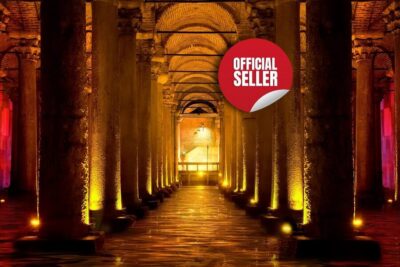
Basilica Cistern Fast-Track Entry and Audio Guide
Read our review →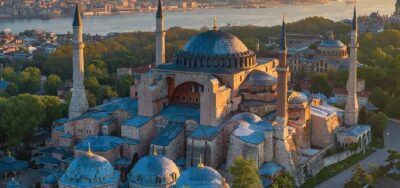
Hagia Sophia Skip-the-Line Ticket & Museum Option
Read our review →
Hodjapasha Whirling Dervishes Show & Exhibition
Read our review →
Topkapi Palace & Harem Museum Ticket & Audio Guide
Read our review →Browse the lists this tour appears in