Reviewed · ISTANBUL TOURS
Turkey Biblical Tour (Private)
The heart of this 10-day private Turkey Biblical Tour is the chance to connect familiar passages with real places: Ephesus, Pergamon, Sardis, Laodicea, Philadelphia, and Smyrna. You also get Istanbul’s great monuments, Troy, and Cappadocia’s cave country, so this is far more than a church-site checklist.
I especially like the one-party format, which lets your guide adjust the pace and answer questions without a busload of strangers waiting. I also like the practical care built into the trip, with hotels, lunches, entrance fees, parking, and a private vehicle included. The catch is the amount of ground covered. Long drives and several early starts are part of the bargain, and dinners, tips, and a Cappadocia balloon ride cost extra.
Key points before you book
- Seven Churches focus: Visit Pergamon, Thyatira, Smyrna, Sardis, Philadelphia, Laodicea, and nearby biblical sites tied to Paul and John.
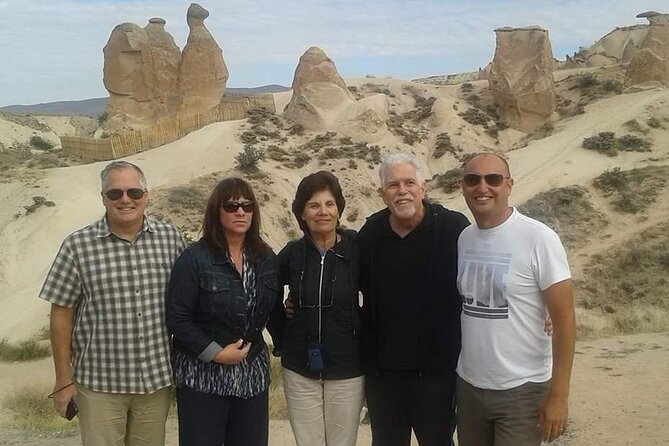
- Private guide and driver: Your party travels together, with guides such as Ertunga or Umut providing Bible, history, and local context.
- Istanbul opener: See the Hippodrome, Blue Mosque, Hagia Sophia, Topkapı Palace, Grand Bazaar, Bosphorus, and Spice Market.
- Ephesus and Mary’s House: Allow time for the Library of Celsus, theater, Temple of Artemis, Basilica of St. John, and Meryemana.
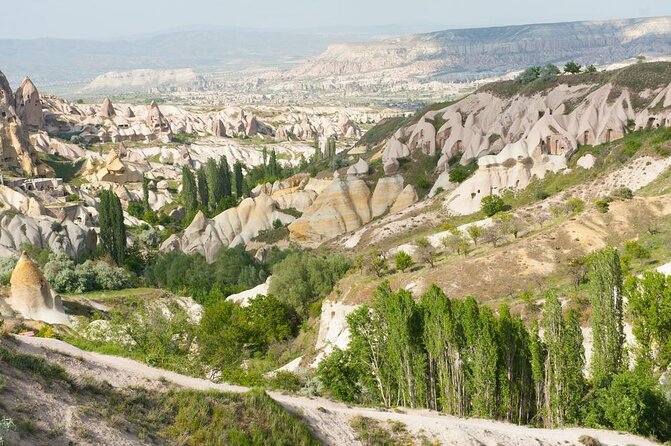
- Cappadocia finale: Explore Goreme, Pasabag, Avanos, Kaymaklı Underground City, Red Valley, Çavuşin, Pigeon Valley, and Love Valley.
- Strong logistical value: Hotels, eight lunches, entrances, parking, private transport, and the Cappadocia to Istanbul flight are included, but check the domestic flight details before paying.
A biblical route with much more than ruins
This trip works best if you want the setting around the Bible, not only a devotional tour. Ancient Greek and Roman cities, Ottoman palaces, Turkish markets, thermal terraces, and Cappadocia’s unusual rock formations fill out the days.
The biblical thread is clear. Paul’s movements appear at Alexandria Troas, Assos, Ephesus, and Colossae. John’s letters to the Seven Churches shape the middle of the itinerary. Your guide can read the relevant passages at the sites, then explain how the ancient city functioned and what remains visible today.
That combination is the tour’s main strength. A guide such as Ertunga has been praised for connecting Acts and Revelation with local customs, geography, and archaeology. Umut has also led Ephesus visits with close attention to Acts 19 and Revelation 2. Guide assignments can vary, so confirm who will lead your dates.
The route is also broad enough to suit a companion who is interested in Turkey but less focused on Scripture. Istanbul and Cappadocia provide major cultural and scenic highlights, while Troy, Pergamon, Ephesus, and Hierapolis offer plenty for anyone interested in the ancient world.
A few more Istanbul half-days to weigh up
- Istanbul: Bosphorus Dinner Cruise & Show with Private Table
★ 4.8 · 44,561 reviews - Istanbul: Daytime or Sunset Sightseeing Cruise & Audio Guide
★ 4.8 · 14,430 reviews - Istanbul: Bosphorus Dinner Cruise with Turkish Night Show
★ 4.8 · 10,127 reviews
Istanbul in two different moods
Your first full sightseeing day begins at the Byzantine Hippodrome, once the setting for public events under the emperors. It is a useful starting point because it places you in the old imperial center, close to several of Istanbul’s major sights.
The Blue Mosque follows. Its official name is the Sultan Ahmed Mosque, but the blue handmade tiles inside explain the familiar nickname. Plan for modest clothing and the possibility of visitor restrictions tied to prayer times. The listed visit is about 40 minutes, enough for an introduction rather than a slow architectural study.
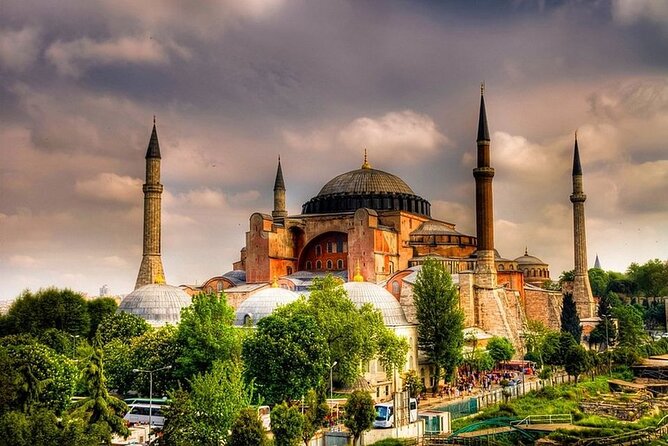
Hagia Sophia gets more time, about 90 minutes. This building has served as an Orthodox church, museum, and mosque, and its artistic and architectural importance is hard to overstate. Since it operates as a mosque, access arrangements can change. Your guide is useful here, particularly for explaining the building’s changing religious and political roles.
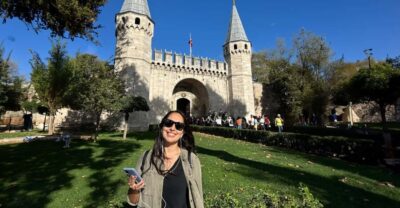
Topkapı Palace takes another 90 minutes. The former Ottoman imperial residence offers a large dose of court life, palace design, and Ottoman art. The entrance is included, which matters because this is one of the day’s paid highlights.
End at the Grand Bazaar, with around an hour to browse its more than 4,000 shops. I would treat this as a chance to look rather than a mission to buy. It can be crowded, and an hour passes quickly if you stop for rugs, ceramics, jewelry, or spices.
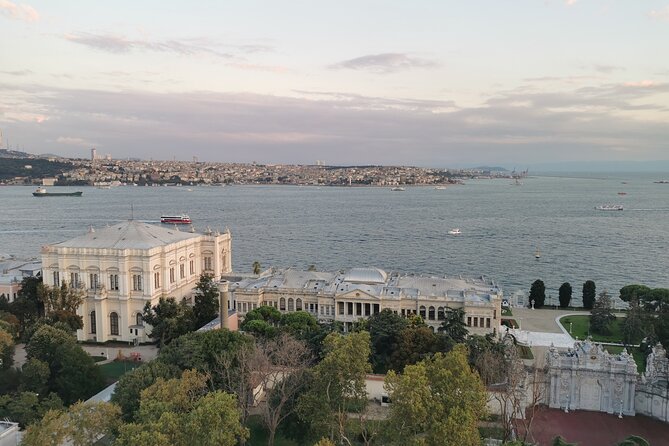
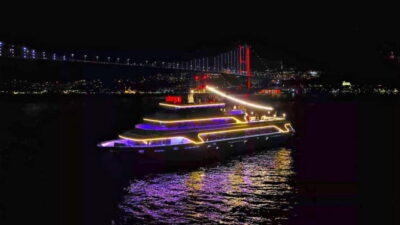
The next day changes the pace. A two-hour Bosphorus boat ride gives you views of Istanbul’s bridges, Dolmabahçe and Beylerbeyi palaces, Rumeli and Anadolu fortresses, and waterfront homes. This is one of the more restful parts of the program, though weather can affect the experience.
You then visit the Spice Market, a covered 17th-century market linked to Istanbul’s spice trade. Afterward, you fly to Izmir and transfer to Kuşadası. The private transfers are a real help here, since the trip otherwise involves many changes of city and hotel.
Troy, Alexandria Troas, and Assos
From Kuşadası, the route turns north toward Troy. You see the replica wooden horse and the remains associated with Homer’s legendary city. The stop lasts about an hour, so expect a focused visit rather than a slow archaeological exploration.
Alexandria Troas is smaller and more directly tied to the New Testament itinerary. Acts 16:8 places Paul here before he sailed toward Greece, and Acts 20:5 to 12 connects the area with the raising of Eutychus. The listed visit is only 30 minutes, so listen closely to the guide’s explanation and do not expect a fully excavated city.
Assos follows, with about an hour. On the last part of his third missionary journey, Paul walked from Alexandria Troas to Assos, where he met companions who had traveled by sea. The site adds a human scale to the story: roads, coast, and travel time become easier to picture.
The drawback is the road time. This section involves short drives between sites, but the next day includes about three hours from Assos to Pergamon. You should be comfortable spending meaningful stretches in the vehicle. The benefit is that a private van gives you more flexibility than a large coach, and guides and drivers can make roadside stops or adjust the rhythm when needed.
The Seven Churches come into focus
Pergamon is one of the major archaeological stops. You see the Acropolis, theater, Temple of Athena, Library of Pergamon, Temple of Trajan, Zeus Altar area, Serapis Temple, Heroon, and Red Court, depending on site access and timing.
The city is identified as the third of the Seven Churches of Asia in Revelation 1:11. Revelation 2:13 refers to Pergamon as the place of Satan’s throne. Those references carry more weight when you are looking over the city’s elevated setting and hearing how political power, public religion, and civic life worked together.
A one-and-a-half-hour visit is useful, but the site deserves attention. Wear firm shoes and expect uneven ground. The scale can be difficult to grasp without a guide, especially at the theater and upper city.
Akhisar is the modern town associated with ancient Thyatira. It is another of the Seven Churches, mentioned in Revelation 1:11 and 2:18 to 28. Lydia, the seller of purple mentioned in Acts 16:14, is also associated with Thyatira. The stop lasts about 45 minutes and is less monumental than Pergamon, but it matters because the biblical connection is direct.
Izmir, ancient Smyrna, is a modern urban stop. It is linked to the second letter in Revelation 2:8 to 11, a message shaped by endurance through hardship and persecution. You spend about an hour here, gaining context for how an ancient Christian community fit into a large commercial city.
I like this day because it does not pretend every biblical city looks like Ephesus. Some places are grand ruins. Others are modern towns with fragments, streets, or historical markers. That contrast helps you understand that the Seven Churches were real communities in working cities, not seven isolated monuments.
Same base, a completely different sort of day:
- Best of Istanbul 1, 2 or 3-Day Private Guided Istanbul Tour
★ 5.0 · 8,922 reviews - Istanbul: Basilica Cistern Fast-Track Entry and Audio Guide
★ 4.6 · 7,521 reviews - Istanbul: Hagia Sophia Skip-the-Line Ticket & Museum Option
★ 3.7 · 4,958 reviews - Istanbul: Hodjapasha Whirling Dervishes Show & Exhibition
★ 4.4 · 4,790 reviews
Sardis, Philadelphia, and Pamukkale
Sardis was the capital of ancient Lydia and another of the Seven Churches, addressed in Revelation 3:1 to 6. The visit includes the gymnasium, Jewish synagogue, Temple of Artemis, and an early church. At about 90 minutes, this is one of the more substantial archaeological stops.
The synagogue and gymnasium help show the city’s public and religious life, while the church remains bring the Christian story into the physical setting. Your guide’s explanation is especially useful here because the site contains several layers of history close together.
You then continue to Alaşehir, ancient Philadelphia. Founded after 189 BC, it was also one of the Seven Churches and is connected with Revelation 3:7 to 12. The scheduled visit is only 30 minutes, so keep expectations modest. This is a brief biblical stop, not a large ruin complex.
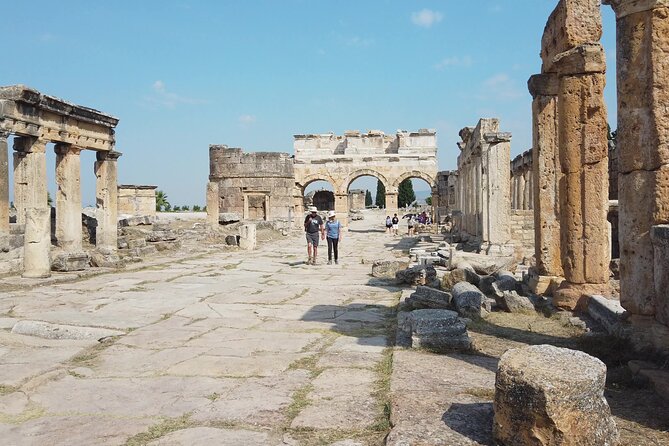
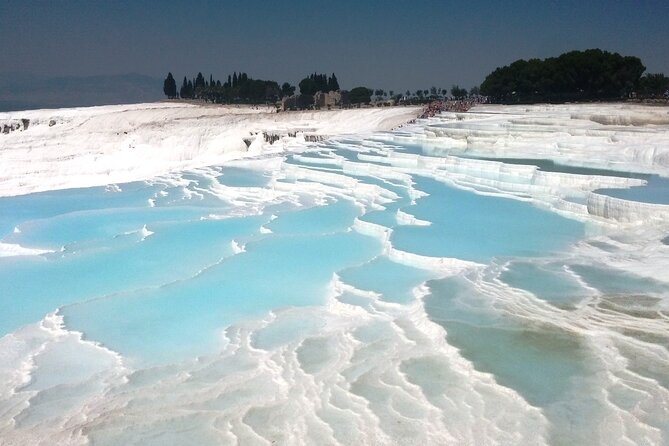
Pamukkale and Hierapolis provide a welcome change. White travertine terraces formed by mineral-rich thermal water cover the hillside, while nearby Hierapolis preserves a Roman theater, a long necropolis, the Gate of Domitian, and the Arcadian Way. The route also includes the Antique Pool area and the believed tomb of the Apostle Philip.
Two hours is a reasonable introduction, though you will be covering a lot. The white terraces can be striking, but the surface may be slippery and walking in the area can be tiring. Bring sturdy footwear, water, and sun protection. The site combines natural features with Roman ruins, so it is one of the most varied days of the tour.
Laodicea, Colossae, and the road back to Kuşadası
Laodicea is the final church in the Seven Churches sequence. The city is associated with the lukewarm church addressed in Revelation. You see Christian ruins, an aqueduct, stadium, Ephesian Gate, and a statue of Emperor Augustus.
The site takes about 90 minutes. Its value is less about one famous surviving building and more about reading the letter in the place it addresses. The remains also show the city’s public scale and Roman setting.
Colossae is a different sort of stop. It remains largely unexcavated, and the visit lasts about 30 minutes. It is connected with Paul’s Letter to the Colossians and with Philemon. You will not find the polished ruins seen at Ephesus or Hierapolis, but the stop makes an important point: biblical places do not all come with grand monuments.
After Colossae, expect about three hours on the road to Kuşadası. This is one of the itinerary’s less glamorous stretches, but it positions you well for Ephesus the next morning. A private vehicle, included lunches, and a guide who can continue the discussion help make the long transfers more manageable.
Ephesus is the archaeological high point
Ephesus receives about two hours, though you may want more. The itinerary includes the Baths of Scholastica, Library of Celsus, Temple of Hadrian, theater, and the Temple of Artemis, once counted among the Seven Wonders of the ancient world.
Paul visited Ephesus during his second missionary journey and remained there for more than three years. Acts 19 gives the city a strong New Testament connection, while Paul and John are both linked with letters to the Ephesians. This is the place where the biblical and archaeological sides of the tour fit together most neatly.
The Library of Celsus and theater are the visual stars, but I would pay attention to the street plan and public buildings too. They help you picture Ephesus as a city where trade, civic power, religion, and early Christianity met.
Meryemana, the House of the Virgin Mary, follows. It is believed to be the place where Mary lived during her later years. The visit lasts about 45 minutes and has a quieter religious feel than the main ruins.
The Basilica of St. John takes another 45 minutes. Built by Justinian I in the sixth century, it was placed over the believed burial site of John the Apostle. After the visit, you transfer to Izmir Airport for the flight to Cappadocia.
The logistics here are efficient, but the day is full. Ask in advance how much time you will have at each Ephesus section, and confirm which flight segments are included in your package. The stated inclusions specifically name the Cappadocia to Istanbul flight, while the itinerary also describes travel from Izmir to Cappadocia.
Cappadocia’s churches, valleys, and underground city
Cappadocia brings a sharp change in scenery and mood. Start at the Esentepe viewpoint above Goreme, where you get a broad view over the town. The stop is only 20 minutes, but it helps you understand the region before entering the major sites.
The Goreme Open-Air Museum is a UNESCO World Heritage Site with rock-cut churches and monastic remains dating from the fourth to the 13th centuries. Allow 90 minutes. The painted interiors and carved spaces make this one of Cappadocia’s most important historical visits.
Pasabag, also called Monks Valley, is known for its tall fairy chimneys shaped by ancient volcanic material. The scheduled 45 minutes gives you time to walk among the formations, though not to explore every path.
Avanos is associated with pottery and sits beside the Kızılırmak, Turkey’s longest river. You can visit a local pottery workshop, but the supplied details do not say that a demonstration or purchase is required. Devrent Valley, also called Imaginary Valley, finishes the day with rock formations often compared with animal shapes.
The final day begins at Kaymaklı Underground City. Eight subterranean levels were built, with four currently open to the public. The passageways can feel tight and uneven, so this is not ideal if you dislike enclosed spaces or have limited physical fitness.
Red Valley offers a short walking stop among vineyards and gardens. Çavuşin is an old Greek village with a fifth-century Church of Saint John and views toward Rose and Red Valleys. Pigeon Valley gets its name from the many dovecotes carved into the soft volcanic rock.
Love Valley closes the sightseeing program with tower-shaped formations and sunset views. Then you transfer to Kayseri Airport for your Istanbul flight. Hot-air ballooning is not included, but it can be added separately if you want that classic Cappadocia experience.
What the $3,604.57 price includes
At $3,604.57 per person, this is not a bargain-basement tour. It is also more than a sequence of guided walks. The price covers private transport, guiding, entrance fees, parking, hotels chosen from available options, eight lunches, and the Cappadocia to Istanbul flight.
That package can offer solid value if you would otherwise need to arrange several domestic transfers, multiple hotels, private archaeological guides, and entrance tickets on your own. The included vehicle also matters because the route crosses a large part of western and central Turkey.
Still, read all-inclusive carefully. Dinners are not included. Gratuities are not included. The Cappadocia hot-air balloon is not included. Ask for the exact hotel category and verify every flight segment before booking, since the day-by-day route refers to flights that are not all clearly listed under inclusions.
The tour is offered in English, with pickup from your hotel lobby or airport. Confirmation is provided at booking, and you must travel with an adult if bringing children. A moderate level of physical fitness is expected.
Who should book this private Turkey Biblical Tour?
I would recommend it to couples, families, church groups, and small private parties that want serious biblical context without handling the complicated transport themselves. It suits you especially well if you value conversation, flexible pacing, and a guide who can move between Scripture, archaeology, Ottoman history, and modern Turkish life.
It is less suitable if you want a relaxed holiday with few hotel changes. You will cover long distances, walk on uneven ancient ground, and change regions several times. The itinerary is ambitious, not leisurely.
The private format is a major advantage. Guides and drivers such as Ertunga, Umut, Maria, and the drivers who worked with them have been singled out for patience, care, safe driving, medical help, translation support, and attention to food and comfort. Those qualities matter on a trip with long roads and frequent transitions.
You can cancel for a full refund up to 24 hours before the start time. If your plans are firm, the best practical step is to ask for the hotel list, guide assignment, vehicle details, and full domestic flight schedule before you commit.
Should you book it?
Book this tour if you want to walk through the world of Paul and John while also seeing Turkey’s major cultural and archaeological sights. Ephesus, Pergamon, Sardis, Laodicea, and Cappadocia give the trip real range, and private guiding adds meaning that an audio guide cannot provide.
Skip it if you want independent travel, long free afternoons, or a slower route. For the right reader, though, this is a carefully packed introduction to biblical Turkey, with the comfort of having the hard transport work handled for you.
FAQ
How long is the Turkey Biblical Tour?
The tour lasts approximately 10 days, beginning with airport transfer and a hotel night in Istanbul and ending with a transfer to Kayseri Airport for the flight to Istanbul.
Is this a private tour?
Yes. Only your party and the guide and driver participate.
What language is the tour offered in?
The tour is offered in English.
Where does pickup take place?
Pickup is arranged at your hotel lobby or at the airport.
Are entrance fees included?
Yes. The private tour includes entrance fees, and the itinerary lists included admission at sites such as Topkapı Palace, Troy, Pergamon, Sardis, Laodicea, Ephesus, and Kaymaklı Underground City.
Are meals included?
Eight lunches are included. Dinners are not included.
Is hot-air ballooning included in Cappadocia?
No. A Cappadocia hot-air balloon ride is specifically excluded.
Is the Cappadocia to Istanbul flight included?
Yes. The inclusions specify Cappadocia to Istanbul flight tickets.
Can children join the tour?
Yes, but children must be accompanied by an adult.
What physical fitness level is required?
A moderate level of physical fitness is recommended because the program includes walking through archaeological sites, valleys, and an underground city.
What is the cancellation policy?
You can cancel at least 24 hours before the experience start time for a full refund. Cancellations or changes made less than 24 hours before the start time are not accepted for a refund.
Just added around Istanbul
- istanbul airport transfer★ 3.5 · 43 reviews
- Istanbul Private Guiding Service★ 5.0 · 68 reviews
- Flying Dress Photography on an Iconic Rooftop in Istanbul★ 5.0 · 87 reviews
- Best Istanbul tour with private guide by skipping ticket line★ 5.0 · 103 reviews
- Food Tour in Istanbul with Local Guide★ 5.0 · 37 reviews
- istanbul old city private tour★ 5.0 · 19 reviews
- Istanbul Private Tour (Licensed Guide)★ 5.0 · 17 reviews
- Istanbul Airport (IST) To Hotels Transfer★ 5.0 · 80 reviews
Istanbul Tours, compared.
Bosphorus Dinner Cruise & Show with Private Table
Read our review →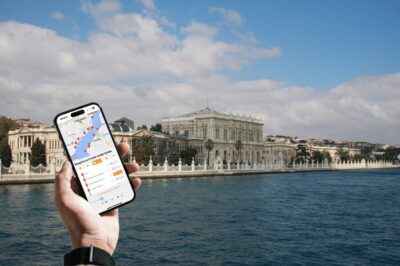
Daytime or Sunset Sightseeing Cruise & Audio Guide
Read our review →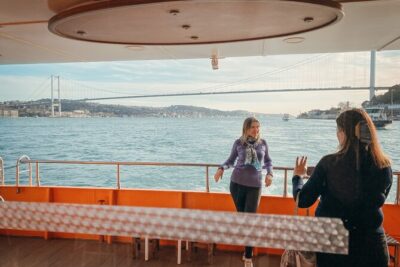
Bosphorus Dinner Cruise with Turkish Night Show
Read our review →
Best of Istanbul 1, 2 or 3-Day Private Guided Istanbul Tour
Read our review →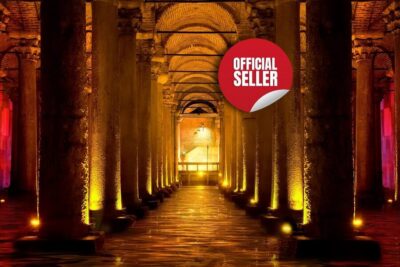
Basilica Cistern Fast-Track Entry and Audio Guide
Read our review →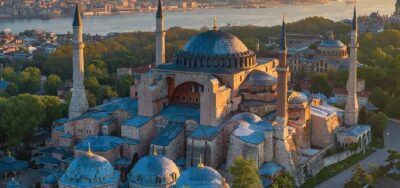
Hagia Sophia Skip-the-Line Ticket & Museum Option
Read our review →
Hodjapasha Whirling Dervishes Show & Exhibition
Read our review →