
Reviewed · CANAKKALE TOURS
Troy and Gallipoli Day Trip from Canakkale
The most striking part of this day is the sharp change in mood. You begin at Troy, a place tied to Homer’s tale of Helen, Paris, and the Trojan War, then spend the afternoon at Gallipoli, where the focus shifts to the human cost of the 1915 campaign. I like that ancient myth and modern history are handled in one well-planned outing, without forcing you to arrange separate transport. I also like the small group limit of 15, which gives you a better chance to hear the guide and ask questions.
The main drawback is the pace. Ten hours covers a great deal, and Gallipoli includes many scattered sites, so you should expect a full day with plenty of time in the minivan. The $250 price is not low, but lunch, entrance fees, shared transport, the ferry ride, and an English-speaking local guide are included.
Key points to know before you book
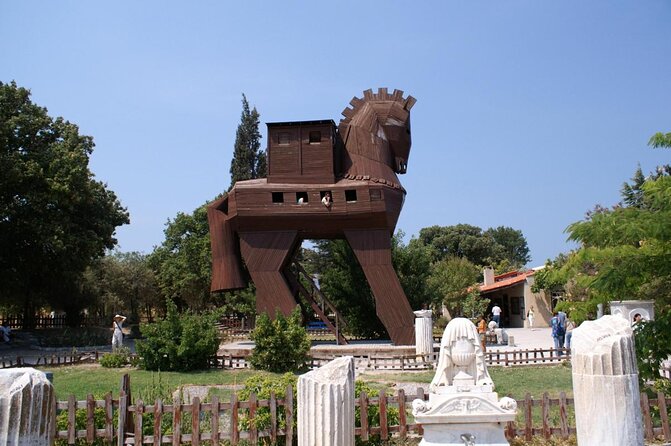
- Troy gives you nine layers of settlement, dating from about 3,500 BC, with ancient walls, altars, the Odeon, and a replica wooden horse.
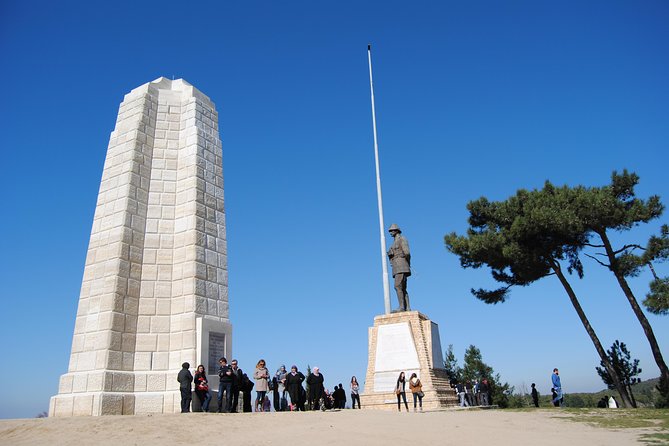
- Gallipoli is the emotional second half, with ANZAC Cove, Brighton Beach, Lone Pine, Chunuk-Bair, and memorials to soldiers on both sides.
- The day starts at 8:30 am at Anzac House Youth Hostel in central Canakkale and ends at the same point.
- Lunch in Canakkale is included, but drinks are not, so bring money for anything you want with the meal.
- The group can be no larger than 15 people, and transport is by air-conditioned minivan.
- The tour suits history-focused visitors best, especially those who want context from a guide rather than a quick photo stop.
Why Troy and Gallipoli belong in one day
At first glance, Troy and Gallipoli seem like an odd pair. One is an ancient city wrapped in myth, while the other is a battlefield from the First World War. Yet the contrast gives the day its shape.
Troy asks you to think about how stories survive. Gallipoli asks you to think about what war leaves behind. In both places, the guide helps turn stones, roads, cemeteries, and memorials into something you can understand.
I like this pairing because it also makes good use of Canakkale as a base. You do not need to find separate buses, ferries, or local guides. The shared minivan handles the long connections, and the guide supplies the background that is easy to miss if you visit alone.
The tradeoff is simple: you gain efficiency, but not unlimited time at each stop. If you want a slow archaeological study of Troy or a long, quiet visit at every Gallipoli cemetery, you may prefer separate days. If you have only one day and want a serious introduction to both places, this route makes sense.
More Gallipoli battlefield days:
- Istanbul to Gallipoli Full Day Tour with Lunch and Transfers
★ 5.0 · 567 reviews - Gallipoli Full-Day Tour from Istanbul
★ 4.9 · 468 reviews - From Istanbul: Gallipoli and Anzac Full-Day Tour
★ 4.9 · 345 reviews
Starting in Canakkale at 8:30 am
The tour begins at Anzac House Youth Hostel, at Kemalpaşa, Cumhuriyet Blv. No:59, in central Canakkale. Hotel pickup and drop-off are not included, so you need to make your own way to this meeting point.
That detail matters. Allow enough time to reach the hostel before the 8:30 am departure, especially if you are carrying luggage or staying outside central Canakkale. The return is also to the meeting point, which makes the arrangement fairly straightforward for anyone spending the night in town.
You travel in an air-conditioned minivan. A shared vehicle keeps the price below that of a private tour and makes the long day more practical. The maximum group size is 15, small enough for a more personal feel but not so small that the day becomes a private outing.
Children must be accompanied by an adult. Service animals are allowed, and the activity is listed as suitable for most people. Still, you should expect a physically active sightseeing day with walking around archaeological remains and open battlefield sites.
Troy’s nine layers of settlement
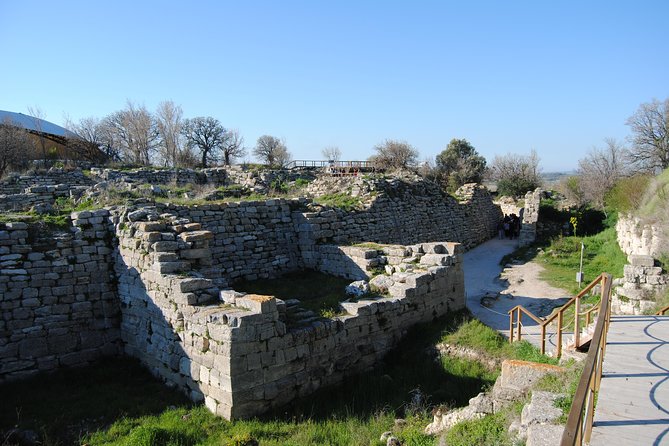
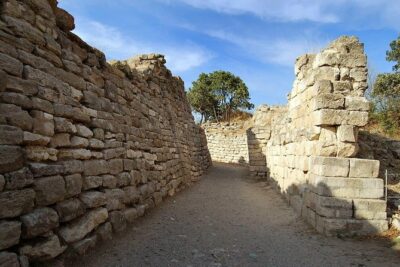
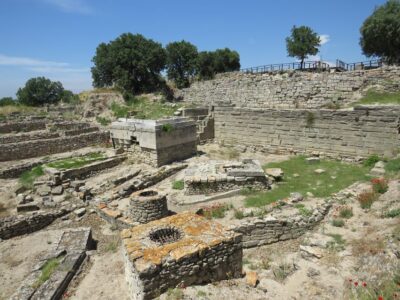
The Troy stop is more than a wooden horse and a familiar name. Archaeologists have found nine cities built one above another at the site, with the earliest remains dating to roughly 3,500 BC. That makes Troy difficult to read at first. You are not looking at one single city frozen in time. You are looking at centuries of rebuilding.
A good guide is especially useful here. Walls from different periods can sit close together, and the ruins do not always explain themselves. Your guide helps connect the first known house of Troy, dating from about 3,000 to 2,500 BC, with later settlements through Troy IX.
You can expect to see sacrificial altars and city walls said to be about 3,700 years old. These details give the site weight, but they also show why you should keep your expectations realistic. Troy is not a perfectly restored ancient town with complete streets and standing temples. Much of the pleasure comes from understanding the layers and imagining how the settlement changed.
The ancient city is linked to Homer’s Iliad, the eighth-century BC epic about the Trojan War between Greeks and Trojans. The story begins with the abduction of Helen by Paris, the Trojan prince. The guide explains the difference between the literary tale and the archaeological evidence, helping you enjoy the legend without treating every part of it as proven fact.
The Odeon and the famous wooden horse
Among the named highlights is the Odeon, or concert hall. It offers a useful reminder that Troy was not only a fortress associated with war. It was also a settled city with public spaces and a cultural life.
The replica wooden Trojan Horse is the most obvious photo stop. It represents the horse used by the Greeks to enter and sack the city in the famous story. The replica is not an ancient object, of course, but it gives the myth a clear physical image, especially if you are visiting with children or have read about Troy before.
The site works best when you let the guide do more than point out ruins. Ask about the different city levels and how archaeologists identify them. The discovery of Troy in the 1870s and the ongoing excavations are a major part of the story. You are seeing a place that is still being studied, not a finished historical display.
The Troy Museum is also part of the broader Troy experience described for this day. If it is included in your schedule, it can help you make sense of the objects and periods before or after walking among the ruins. Museum time may be limited on a combined tour, so do not expect the same attention you would give it on a separate visit.
A few more Turkey half-days to weigh up
- From Antalya/Kemer: Pamukkale & Hierapolis Day Trip w/Meals
★ 4.7 · 1,387 reviews - From Istanbul: Sapanca and Masukiye Day Trip with Lunch
★ 4.0 · 1,036 reviews - Rhodes: Marmaris Day Trip by High-Speed Boat
★ 4.0 · 818 reviews - Full Day Cappadocia Red/Green Combined Tour in 1 Day w Lunch
★ 4.6 · 533 reviews
Lunch in Canakkale breaks up the day
After Troy, you return to Canakkale for lunch. The meal is included, which is a useful part of the $250 price because it removes one decision during a tightly timed day.
The lunch stop also gives you a pause between two very different subjects. You can eat Turkish food in a local restaurant setting before heading back out to the Gallipoli sites. Drinks are not included, so budget separately for water, tea, or anything else you order.
This is not a long free period for exploring Canakkale. Think of it as a planned meal stop, not an open lunch break in which you can wander through town. That keeps the schedule moving, but it also means you should not book this tour expecting much independent time in the city.
Crossing to Gallipoli and the 1915 campaign
The afternoon moves to the Gallipoli battlefields, the site of the brutal 1915 Allied-Turkish campaign. Transport includes a ferry ride, which adds a practical piece of local travel to the route rather than keeping you on the same road all day.
Gallipoli can be hard to understand without a guide. The sites are spread out, and the meaning of a beach, ridge, or cemetery depends on the events that took place there. Your guide provides the sequence of the battles and explains why each location matters.
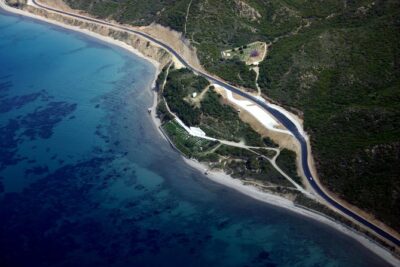
The tour visits Brighton Beach and ANZAC Cove, two places tied closely to the Allied landing and the campaign’s early stages. At ANZAC Cove, the name itself carries enormous weight for Australians and New Zealanders, but the wider story includes Turkish forces and civilians as well. A careful presentation matters here, and the itinerary gives attention to both sides.
Johnston’s Jolly, the Nek, and Walker’s Ridge bring you away from the shoreline and into the ground where fighting took place. These names can sound abstract in a book. Seeing them as part of the same connected area helps you understand how difficult the terrain and movement would have been.
You should expect the Gallipoli portion to be more reflective than entertaining. There are no grand ruins or lively attractions. Instead, the power comes from cemeteries, memorials, and the guide’s account of young soldiers sent into a campaign that cost so many lives.
Cemeteries and memorials at Gallipoli
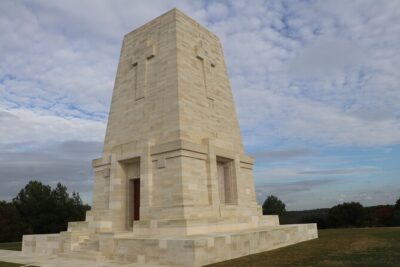
The route includes Ari Burnu, Beach Cemetery, Lone Pine Cemetery, the Turkish Memorial, and Chunuk-Bair. These stops make the afternoon more than a military tour. They focus attention on the people who died and on how the site is remembered.
Beach Cemetery and Lone Pine Cemetery are especially important for understanding the personal scale of the campaign. Rows of graves are quieter than a battlefield map, and they make the age and loss of the soldiers harder to ignore.
The Turkish Memorial and Chunuk-Bair ensure that the Turkish side is not treated as a footnote. That balance is one of the strongest reasons to choose a guided visit. Gallipoli is remembered through several national stories, and the day gives you a chance to hear more than one of them.
At Ari Burnu, the mood is likely to be solemn. You may find that the prevailing feeling is peace rather than anger, with soldiers from opposing forces now resting in the same area. Plan for the possibility that this part of the day will stay with you after the tour ends.
The guide can make or break the day
The route covers subjects that need explanation. Troy’s layers are not obvious, and Gallipoli’s roads and memorials can blur together without a clear story. The guide is therefore one of the most important parts of the experience.
Ercan is a guide specifically associated with this tour experience, and his approach has been described as scholarly, warm, and friendly. If you are able to request or confirm a guide before booking, ask if Ercan is leading your departure. Hassle Free Travel, the local provider, also has staff such as Ezgi who can help with arrangements and local recommendations.
That said, guide assignments can change, so you should not treat a particular person as guaranteed unless the company confirms it. The useful thing to look for is an English-speaking local guide who can explain both the archaeological evidence at Troy and the military history of Gallipoli in a clear, human way.
A group cap of 15 helps. You will not have the intimacy of a private tour, but you should have a better chance of hearing the commentary than you would in a large coach group. If you enjoy asking questions, stay near the guide during the walking portions.
What the $250 price really covers
At $250 per person, this is a significant purchase. The value depends on how much convenience and interpretation you want.
The fee includes round-trip shared transport, an air-conditioned minivan, the ferry ride, entrance fees, lunch, and a local guide. Those inclusions matter because Troy and Gallipoli are not one compact attraction. Getting between them without organized transport would take planning, and hiring separate guides or paying individual entrance costs would add up.
The price is easier to justify if you have one full day in Canakkale and want both destinations. It is less appealing if you already have a car, prefer to explore at your own speed, or want to spend an entire day at Troy alone.
Group discounts are available, which may help if you are booking for family or friends. The tour is offered in English and is booked, on average, well ahead of the departure date, around 53 days in advance. That does not mean every date sells out, but it is a useful reason to reserve early if your Canakkale schedule is fixed.
Timing, comfort, and practical limits
This is an approximately 10-hour day, beginning at 8:30 am and ending back at the Anzac House Youth Hostel. You should plan for a full day away from your room, with road time, walking, lunch, the ferry, and several historic stops.
The air-conditioned minivan is welcome during a long outing. Still, shared transport means you follow the group timetable. You cannot linger at one cemetery for an hour and expect the rest of the route to remain unchanged.
Wear practical walking shoes and bring water money, since drinks are not included. The tour information says most people can participate, but it does not promise a fully step-free route or describe the walking surface at every stop. If mobility is a concern, ask the provider for current details before paying.
The experience requires good weather. If poor weather forces a cancellation, you are offered another date or a full refund. The tour also requires a minimum number of participants. If that number is not reached, you are offered another date or experience, or a full refund.
Your own cancellation is different: the booking is non-refundable and cannot be changed for any reason. Read that condition carefully before committing.
Who will get the most from this day
I would choose this tour if you want a strong first understanding of Troy and Gallipoli without managing the transport yourself. It suits history lovers, first-time visitors to the area, and anyone with limited time in Canakkale.
It is also a good fit for people who enjoy stories and context. The ruins alone may feel sparse, but the layered settlement, Homeric tradition, and archaeological discoveries give Troy real interest when explained well. Gallipoli rewards attention to names, dates, and places, so a guide adds genuine value.
Families can take part, provided children are accompanied by an adult. The wooden horse gives younger visitors an easy entry point, while the afternoon’s cemeteries and battlefield history may be more suitable for older children.
I would hesitate if you dislike long guided days, need lots of independent time, or want a relaxed holiday outing. The emotional weight of Gallipoli is also real. This is not a light sightseeing loop, even though the day begins with one of the world’s best-known myths.
Should you book the Troy and Gallipoli day trip?
Book it if you want to combine two major sites in one organized day and value clear explanation over total freedom. The strongest features are the efficient route, included transport and lunch, modest group size, and the chance to see both Troy’s archaeological layers and Gallipoli’s memorials.
Skip it if you want to study Troy slowly, avoid a long day on the road, or can arrange a private vehicle and guides yourself. At $250, the tour earns its price through logistics and interpretation rather than luxury.
For many people based in Canakkale, this is the practical choice. You leave from central town, visit the replica horse and ancient ruins, eat lunch, cross toward Gallipoli, and finish among cemeteries and memorials that demand more than a quick photograph. It is a long day, but it gives you a thoughtful look at two places that are difficult to appreciate fully without help.
FAQ
Where does the tour start and finish?
The tour starts at Anzac House Youth Hostel, Kemalpaşa, Cumhuriyet Blv. No:59, 17100 Çanakkale Merkez, at 8:30 am. It ends back at the same meeting point.
Is hotel pickup included?
No. Hotel pickup and drop-off are not included, so you need to reach the central Canakkale meeting point yourself.
What is included in the price?
The price includes lunch, a local guide, round-trip shared transfer, transport by air-conditioned minivan, the ferry ride, and entrance fees.
Are drinks included with lunch?
No. Drinks are not included and must be paid for separately.
How many people can join the tour?
The group can include a maximum of 15 travelers.
What happens if bad weather cancels the tour?
If poor weather causes a cancellation, you are offered a different date or a full refund. The same options apply if the minimum number of participants is not met.
Just added around Turkey
- Private Ephesus Tour from Kusadası Port★ 5.0 · 15 reviews
- Ephesus Tour For Cruise Guests (Kusadasi Port)★ 5.0 · 40 reviews
- Guided Scuba Diving Experience in Kusadasi★ 5.0 · 23 reviews
- Kusadasi Port PRIVATE EPHESUS TOUR (fixed price 1 to 15 people)★ 5.0 · 215 reviews
- Boat Trip with Lunch From Kusadasi Port / Hotels★ 4.5 · 18 reviews
- Ephesus Shoreexcursion from Kusadasi Port★ 5.0 · 41 reviews
- Kusadasi & National Park Boat Tours with Lunch and Transfer★ 4.5 · 86 reviews
- FOR CRUISERS: Best of Ephesus Private Tour (GUARANTEED ON-TIME RETURN)★ 5.0 · 77 reviews
Canakkale Tours, compared.
Gallipoli ANZAC Battlefields Tour from Canakkale
Read our review →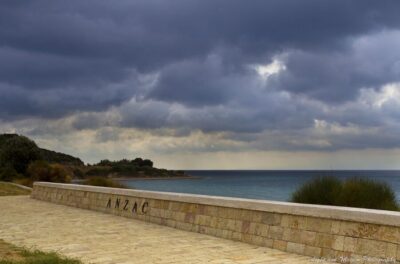
Full Day Troy & Gallipoli Tour ( From Canakkale )
Read our review →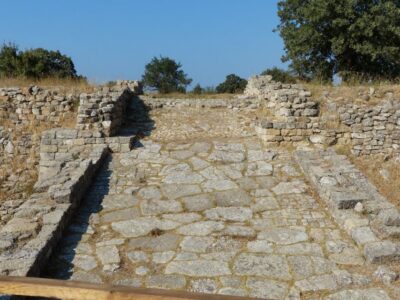
Browse the lists this tour appears in